Korean Tofu Guide for Stews Silken vs Firm vs Medium Tofu
“Soft tofu” on a Western label doesn’t mean what soondubu means in Korean cooking. This Korean tofu guide for stews breaks down every texture, how each one is actually made, which brands to look for, and exactly which tofu all 13 jjigae recipes on this site need.


What’s the Difference Between Silken, Medium, and Firm Tofu?
The difference comes down to how much water is pressed out during production. Silken tofu is uncurdled and unpressed, with a custard-soft texture that barely holds a shape when cut. Medium tofu retains some tenderness while holding together enough to slice and simmer without disintegrating. Firm tofu is pressed further, holding its shape well even through vigorous cooking. In Korean cooking specifically, soondubu (순두부) — often labelled “soon tofu” or “soft tofu” on Western packaging — is an especially silky, uncurdled style, softer than most Japanese silken tofu, and it’s the specific ingredient soondubu jjigae is named after. Most other kimchi jjigae recipes call for medium or firm tofu instead, which is where a lot of the confusion at the grocery store comes from.
Silken vs Medium vs Firm Tofu
Same soybean base, different amounts of pressed-out water — and a genuinely different result in a bowl of stew. This is the short version of the “korean tofu guide for stews” question everyone actually has: which one do I buy?
| Type | Texture | Holds Shape? | Used In (this silo) |
|---|---|---|---|
| Silken / Soondubu (순두부) | Custard-soft, uncurdled | No — falls apart if stirred | Soondubu Jjigae specifically |
| Medium ⭐ | Tender but holds a slice | Yes, gently | Most kimchi jjigae recipes on this site |
| Firm | Dense, holds shape well | Yes, firmly | Also works in any jjigae recipe if you prefer more bite |
| Extra-Firm | Densest, driest, chewy | Yes, very well — barely softens | Not typically used in jjigae; better suited to pan-frying or grilling where a dry sear matters more than tenderness |
What Is Soondubu (Soon Tofu)?
Soondubu isn’t just “extra soft tofu” — it’s a distinct production style, uncurdled and unpressed, that never sets into a firm block at all.
Standard tofu production curdles soy milk with a coagulant, then presses the curds into blocks of varying firmness. Soondubu skips the pressing step almost entirely — the coagulated soy milk is left to set into a soft, custard-like consistency and typically packaged directly in that state, often in a soft tube rather than a rigid tub. This gives it a texture closer to a savoury custard than anything resembling a sliceable block.
It’s easy to confuse with Japanese silken tofu, and the two are closely related, but soondubu is often even softer and is specifically the namesake ingredient in soondubu jjigae (순두부찌개) — a distinct dish from the other jjigae recipes on this site, built around this exact texture rather than firmer tofu cubes.
How Korean Tofu Is Made
Every block of tofu — silken, medium, or firm — starts from exactly the same three ingredients. What changes is timing and pressure, not the recipe.
Dried soybeans are soaked overnight, then ground with water into a raw slurry. That slurry is cooked and strained through cloth, separating the milky liquid (soy milk) from the fibrous pulp left behind (called okara, or biji in Korean). The soy milk is brought back to a near-boil, and a coagulant — traditionally gansu (a seawater-derived bittern) or its Japanese cousin nigari, though many commercial producers now use food-grade calcium sulfate (gypsum) instead — is stirred in. Within minutes the soy proteins clump into soft curds suspended in a thin whey, roughly the texture of loose scrambled eggs.
From that point on, the only variable left is how much of that whey gets drained away, and how hard the curds get pressed:
- Soondubu skips draining almost entirely — the curds and whey are ladled straight into their container (often the tube you see in stores) and left to set as-is.
- Medium tofu gets transferred into a perforated, cloth-lined mold, where gravity alone drains off some whey over a short period.
- Firm and extra-firm tofu go through the same mold, but with a weighted lid pressing down for longer, squeezing out progressively more liquid until the curds fuse into a dense, sliceable block.
Less draining and pressing time means a softer, more delicate result — which is exactly why soondubu can never be cut into neat cubes the way firm tofu can, and why trying to force it into a jjigae recipe written for firm tofu just ends in a pot of tofu-flecked broth.
Key Terms & Semantic Entities
Popular Korean Tofu Brands You’ll Actually Find
Knowing the texture you want is only half the battle — here’s who actually makes it, so you know what to look for on the shelf.
Which Tofu for Every Jjigae Recipe
One recipe in this silo wants something completely different from tofu; the other twelve all want the same thing. Here’s the full map, recipe by recipe.
| Recipe | Tofu Type Needed | Why |
|---|---|---|
| Soondubu Kimchi Jjigae | Silken / Soondubu specifically | The dish is named after and built entirely around this exact soft texture — no substitute captures it fully |
| Classic Kimchi Jjigae | Medium or firm | The base formula the rest of this table is measured against — standard choice, holds up through a normal simmer |
| Seafood Kimchi Jjigae | Medium or firm | Needs to hold its shape alongside shellfish through the simmer |
| Chicken Kimchi Jjigae | Medium or firm | Standard choice, holds up well through the cook time |
| Beef Kimchi Jjigae | Medium or firm | Same logic as chicken — stands up to a heartier, longer-simmered broth |
| Mackerel Kimchi Jjigae | Medium or firm | Contrasts nicely with the richer, oilier fish |
| Tuna Kimchi Jjigae | Medium or firm | The quick, canned-tuna weeknight version — same tofu logic as the other seafood-based jjigae |
| Spam Kimchi Jjigae | Firm | The bolder, budae-adjacent flavors hold together better against tofu with a bit more bite |
| Budae Jjigae | Firm | Holds up best against the bold, busy mix of processed meats and instant noodles |
| Vegan Kimchi Jjigae | Medium or firm | Tofu is the main protein here with no meat to share the bowl, so it needs to hold its shape on its own |
| Vegetarian Kimchi Jjigae | Medium or firm | Same reasoning as the vegan version — tofu is doing most of the textural work |
| Kimchi Guk | Medium or firm | Same logic as most jjigae — holds shape even in this thinner, soupier version |
| Instant Pot Kimchi Jjigae | Medium or firm | Add it near the end of pressure-cooking — even sturdy tofu can go mushy under sustained pressure |
| Kimchi Jjigae — All Variations (Hub) | Medium or firm (default) | The overview page covering every variation above — same tofu logic applies unless a specific variation says otherwise |
🍲 Recipe Spotlight
A closer look at the recipes in this silo that lean on the tofu choices above.
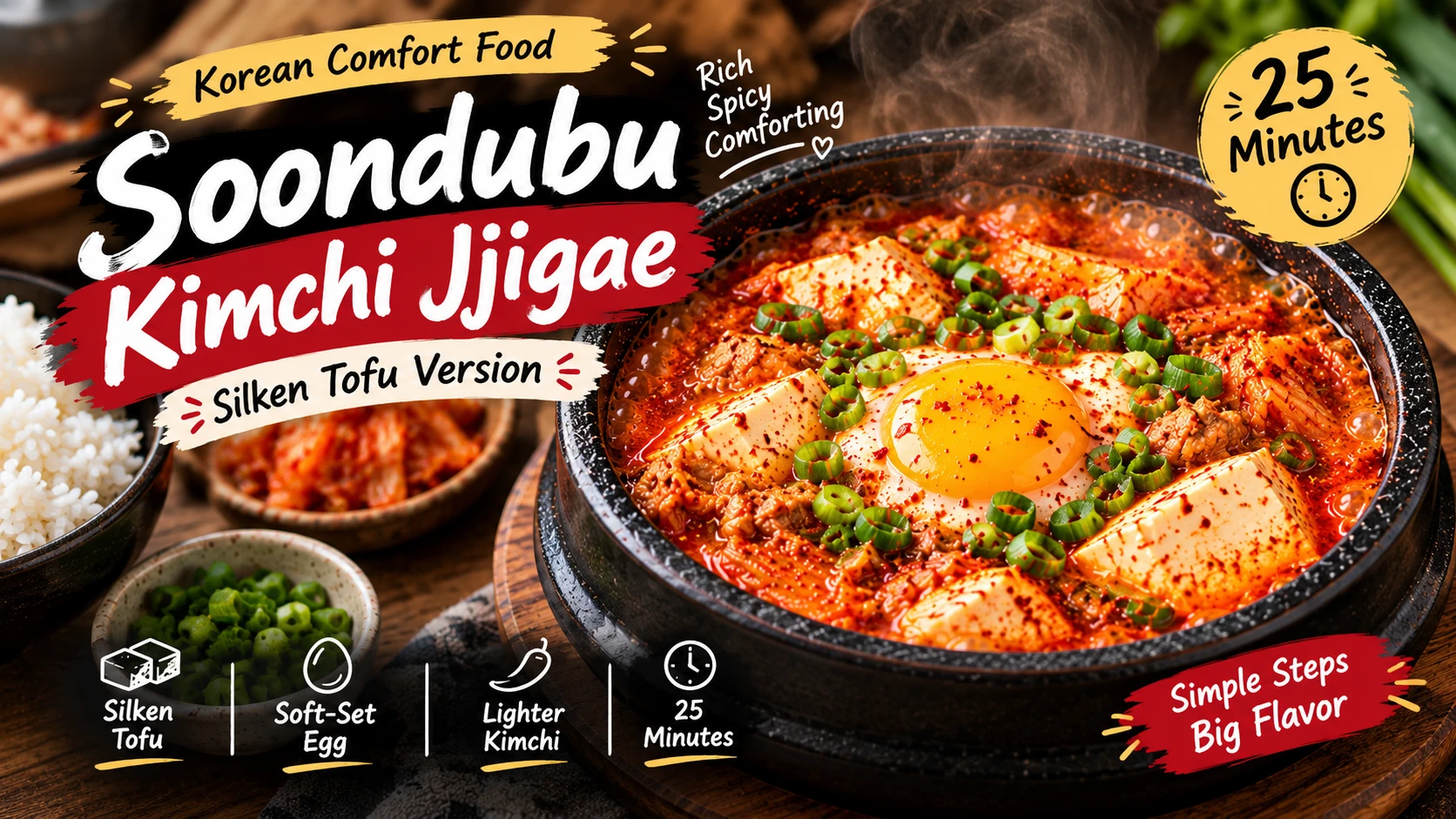
The one recipe on this site where silken/soondubu isn’t just allowed — it’s the entire point.
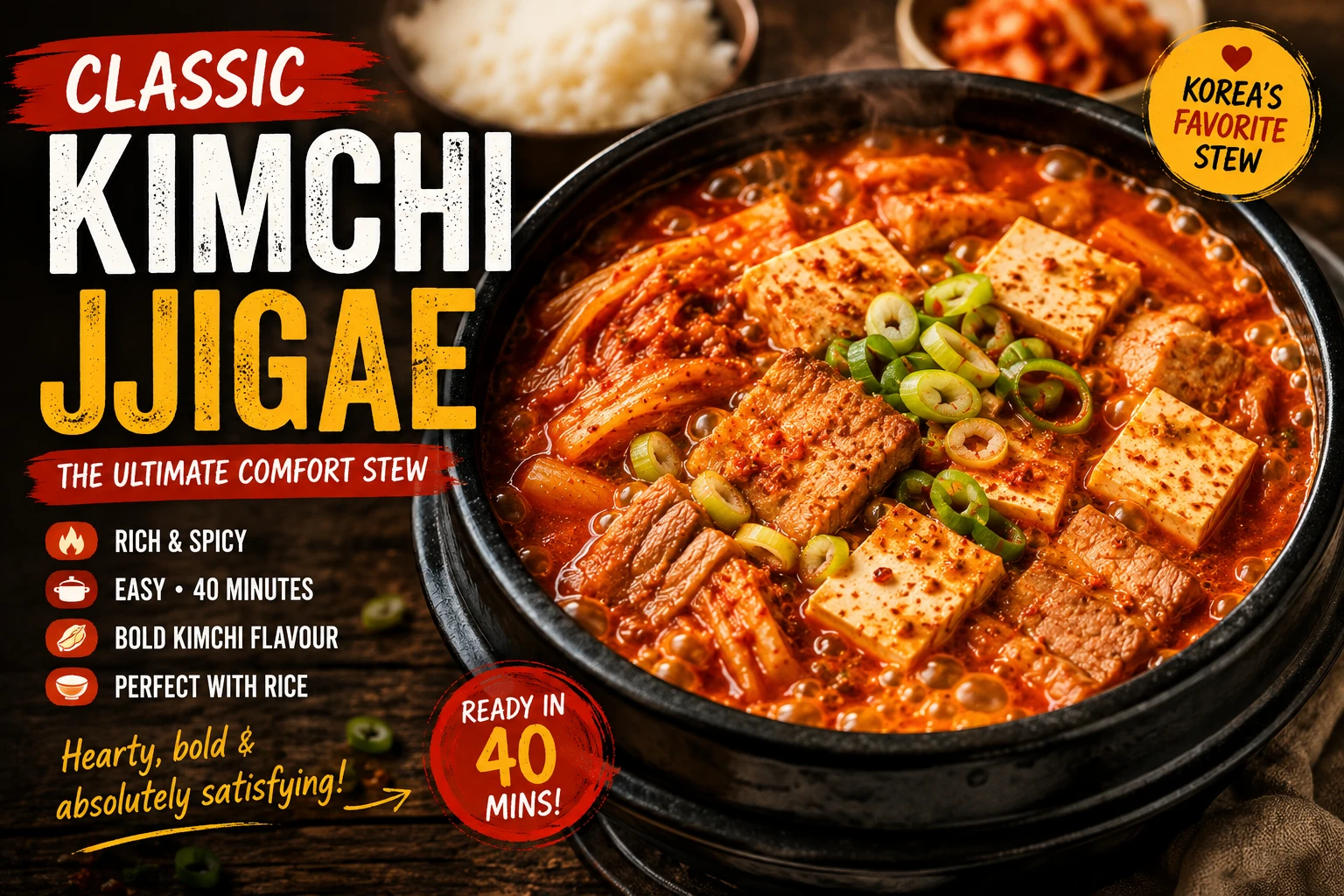
The base recipe every tofu recommendation on this page is measured against.
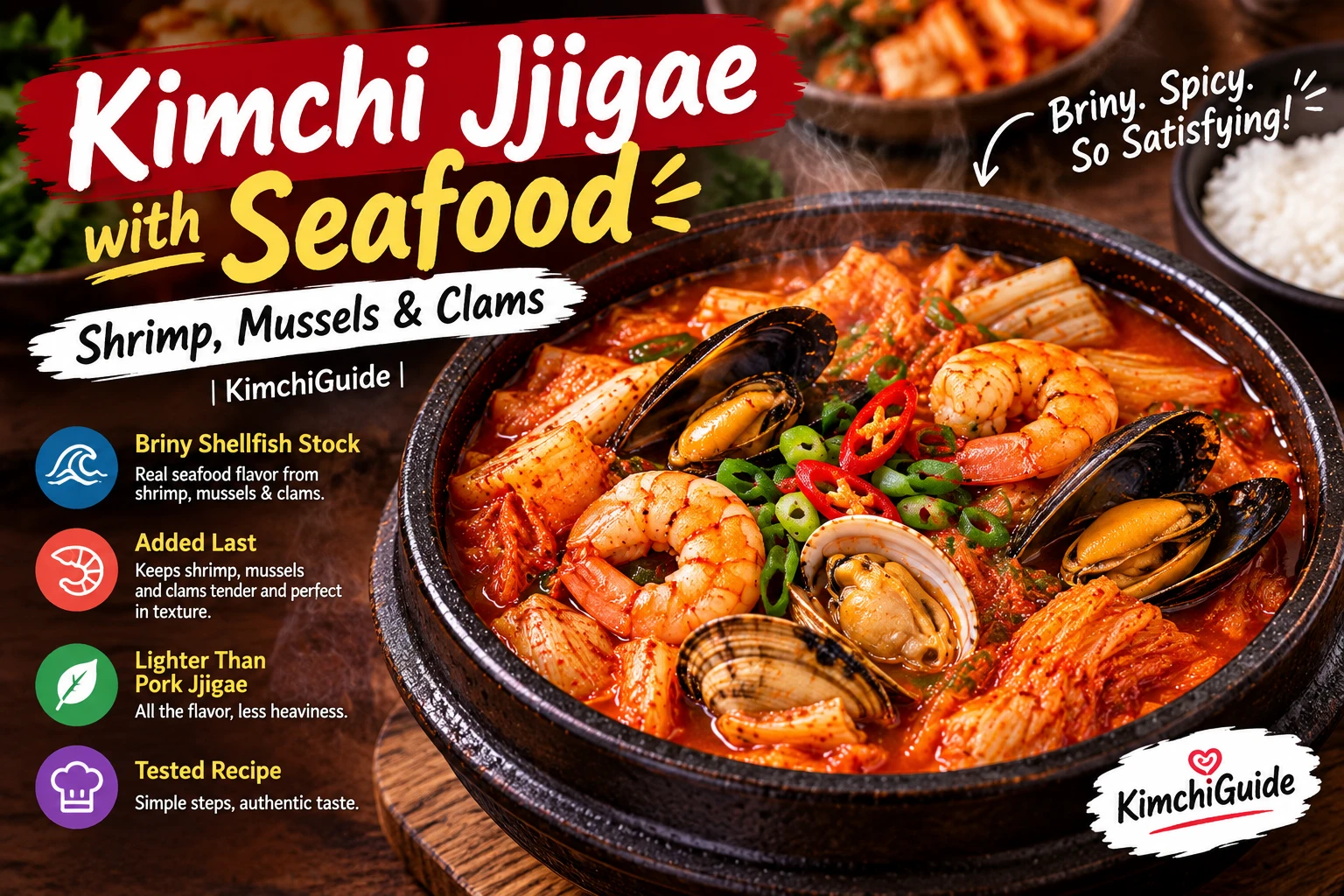
Firm tofu cubes hold their shape against shellfish through a busier simmer.
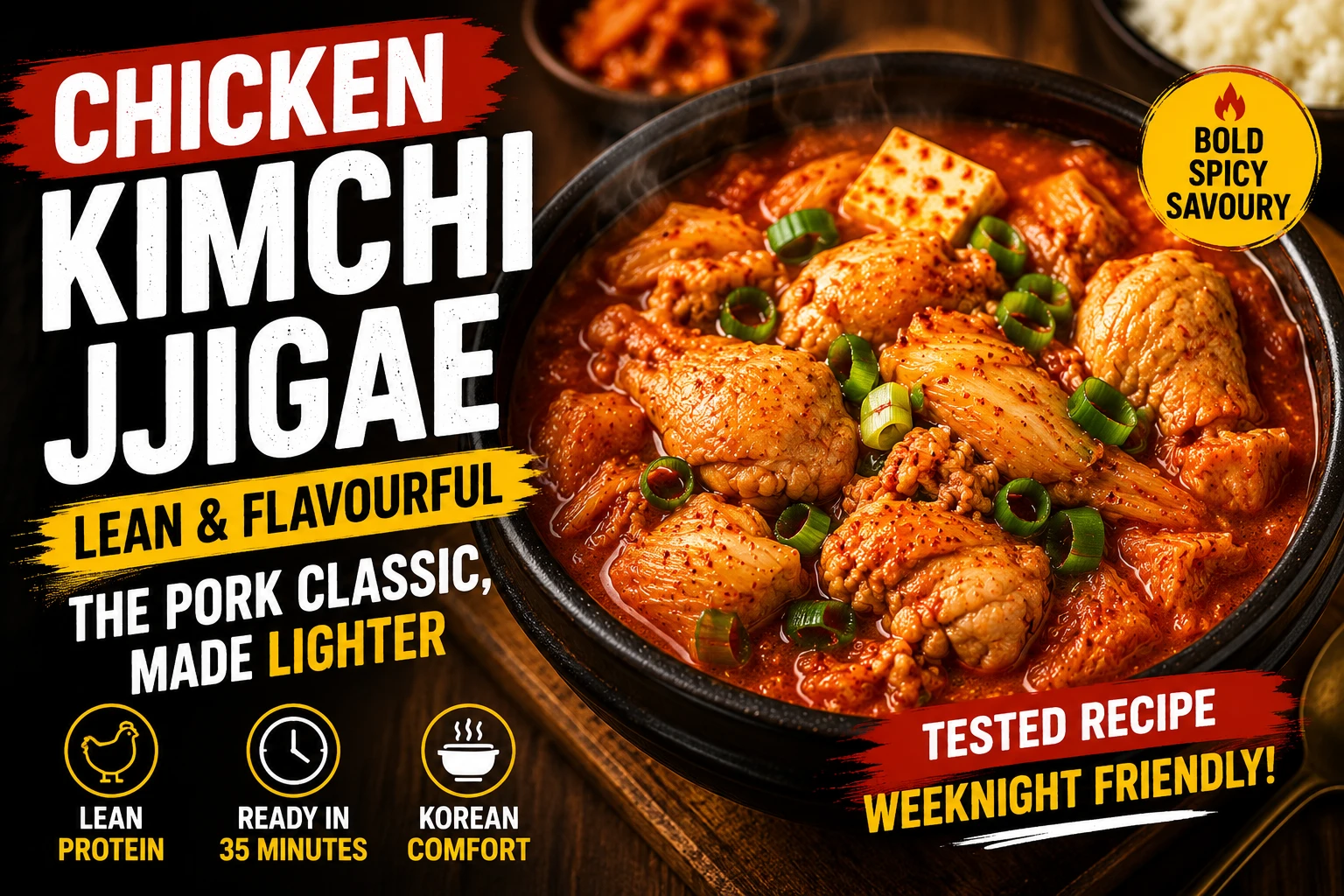
The standard weeknight version — medium tofu holds up through a normal simmer.
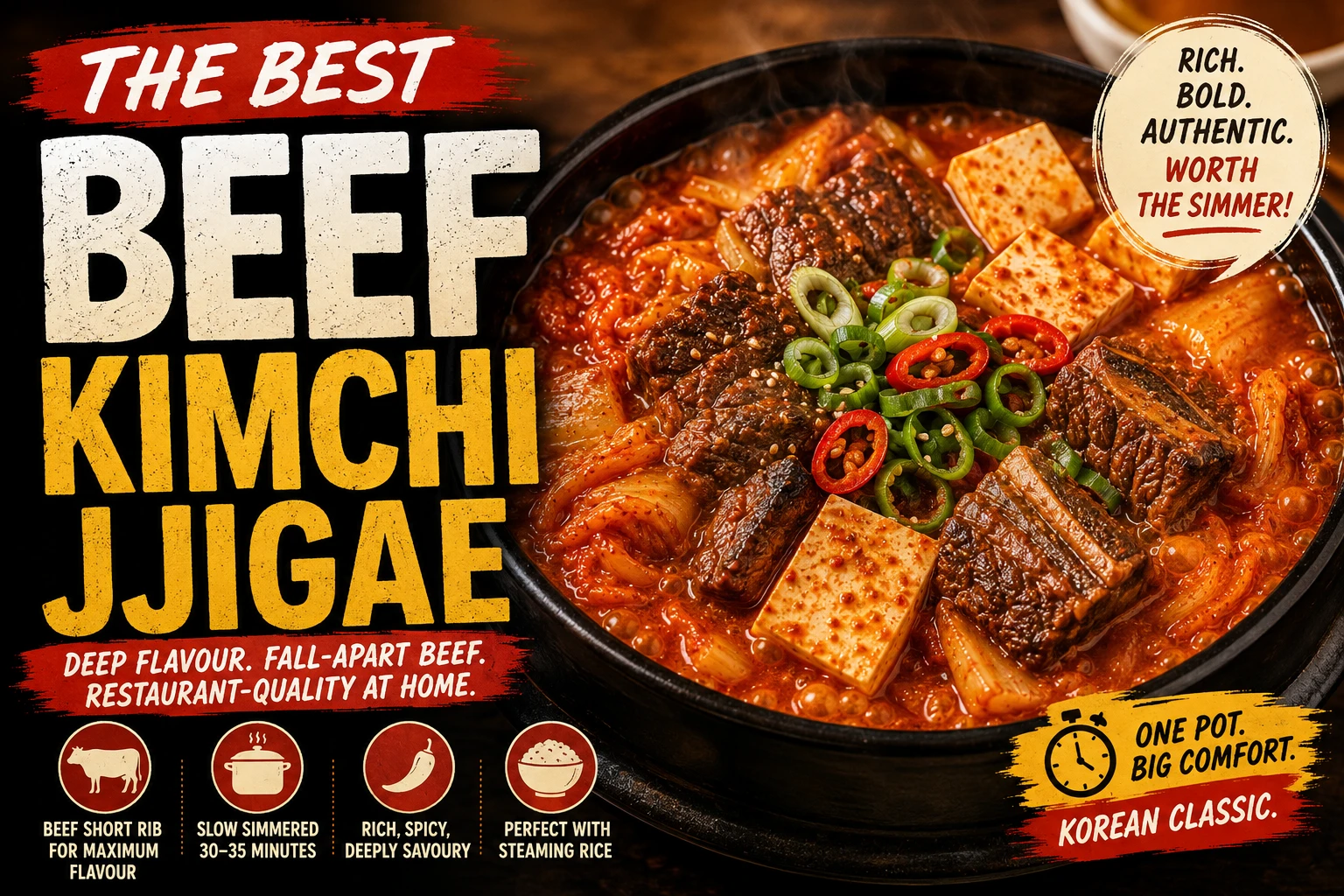
A heartier broth, same tofu logic as the chicken version.
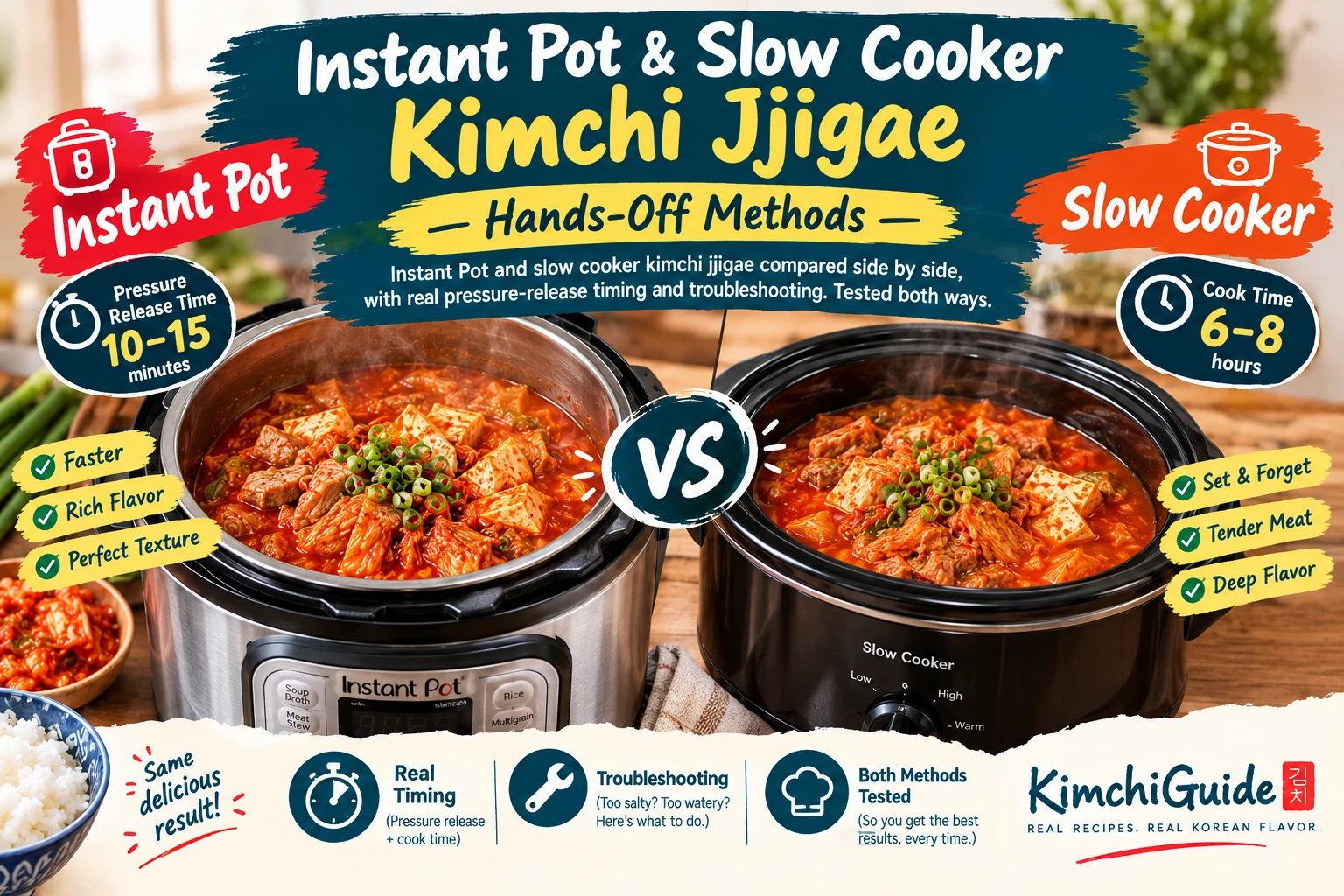
Timing matters more than tofu type here — add it late so pressure doesn’t turn it to mush.
Buying Guide — Tube vs Tub

If it’s in a squeezable tube like this instead of a rigid tub, it’s soondubu. No label reading required.
🛒 Tofu & Tools We Reference in This Guide
Fresh soondubu (in a tube) and fresh medium/firm tofu (in a water-filled tub) are perishable and shipped cold, so Amazon isn’t the right place for them — but Weee!, an Asian grocery delivery service, actually does ship these cold. The other two items below are shelf-stable, so Amazon covers them fine.
Disclosure: These are affiliate links (Amazon and Weee!). If you buy through them, KimchiGuide may earn a small commission at no extra cost to you.

The actual fresh, tube-format soondubu this guide describes — not a shelf-stable substitute. Weee! specializes in Asian grocery delivery and ships tofu cold, which Amazon can’t do.
🛒 Browse on Weee!
The closest silken-tofu texture you can order online and keep in the pantry until you need it — a workable stand-in for soondubu jjigae if a Korean market isn’t nearby. Not identical to fresh soondubu, but the nearest match.
🛒 Check Price on Amazon
Not needed for jjigae (see above), but the tool this guide’s author reaches for whenever a different recipe calls for pan-fried or baked firm/extra-firm tofu that needs pressing first.
🛒 Check Price on AmazonSubstitutions
Pairing Tofu Jjigae With the Rest of the Silo
Getting the tofu right is one piece of a good jjigae — a few other choices matter just as much.
Storage
Common Mistakes
Nutrition by Firmness
Firmer tofu is more calorie- and protein-dense simply because it contains less water per gram.
| Type | Calories (100g) | Protein (100g) | Fat (100g) |
|---|---|---|---|
| Silken / Soondubu | ~55 | ~5g | ~3g |
| Medium | ~70 | ~8g | ~4g |
| Firm | ~90 | ~10g | ~5g |
| Extra-Firm | ~100 | ~12g | ~5-6g |
Figures are approximate averages and vary by brand and coagulant used.
Sources & Further Reading
Korean Tofu FAQ — 14 Questions
They differ in how much water is pressed out during production. Silken tofu is uncurdled/unpressed and custard-soft; medium retains some structure while staying tender; firm is pressed further and holds its shape well when cut and cooked.
Soondubu (순두부), often labelled “soon tofu” or “soft tofu” in Western stores, is an extra-soft, uncurdled Korean tofu style, similar to but often softer than Japanese silken tofu — the namesake ingredient in soondubu jjigae.
Yes, in most cases regular silken tofu works as a substitute for soondubu, though authentic soondubu (often sold in a tube format) has an even softer, creamier texture.
Medium or firm tofu is standard for most kimchi jjigae recipes, since it holds its shape through simmering. Soondubu (silken) is specific to soondubu jjigae, a distinct dish.
Usually because silken or soft tofu was used where medium or firm was called for, or because the tofu was stirred too vigorously or added too early in a long simmer.
Submerge unused tofu in fresh water in a sealed container and refrigerate, changing the water daily; it typically keeps this way for 3-5 days.
Yes, though freezing changes its texture to something spongier and chewier — this is sometimes done deliberately for certain dishes, but isn’t recommended for jjigae, where tender texture matters.
Soondubu is often sold in a soft plastic tube (squeezed out to serve), while other tofu types are typically sold in a firmer plastic tub filled with water — the packaging itself is a reliable clue to texture.
Yes — tofu is a complete plant protein, and firmer varieties contain more protein by weight than silken tofu due to their lower water content.
No — unlike pan-frying or baking tofu, jjigae recipes simply slice and simmer tofu directly, so pressing beforehand isn’t necessary.
Extra-firm has even more water pressed out than firm, making it denser, drier, and chewier. It’s mainly used for pan-frying, baking, or grilling where a dry sear matters — not typically used in jjigae, where firm or medium already hold up fine and stay more tender.
No. Some Asian markets sell a “fresh tofu” that sits between soft and medium-firm — it’s curdled, unlike true soondubu, and doesn’t have the same smooth, custard-like texture. It can work in a pinch if soondubu isn’t available, but it isn’t a true substitute and won’t fully replicate soondubu jjigae’s signature texture.
In the US, Pulmuone leads the tofu aisle through its Nasoya and Wildwood brands plus its own Pulmuone-labelled “Soon Tofu” tube, and House Foods also sells a soft tube-style tofu. Assi and Surasang are more common at dedicated Korean or Asian grocers. Outside the US, mainstream supermarkets mostly stock medium and firm blocks rather than true tube-style soondubu.
Tofu itself is vegan, but traditional kimchi is often made with fish sauce or shrimp paste, so the dish as a whole isn’t automatically vegan. Check the kimchi’s label, or use a kimchi made without fish products, to keep a tofu-based jjigae fully plant-based.
Questions & Comments
Which recipe are you making? Leave a comment below — Ji-Young reads and responds to every one.
Your email will not be published. All comments are reviewed before appearing.