
Ji-Young Park 박지영
Kimchi Specialist · Korean Home Cook · Food Writer · Busan, Korea → London, UK
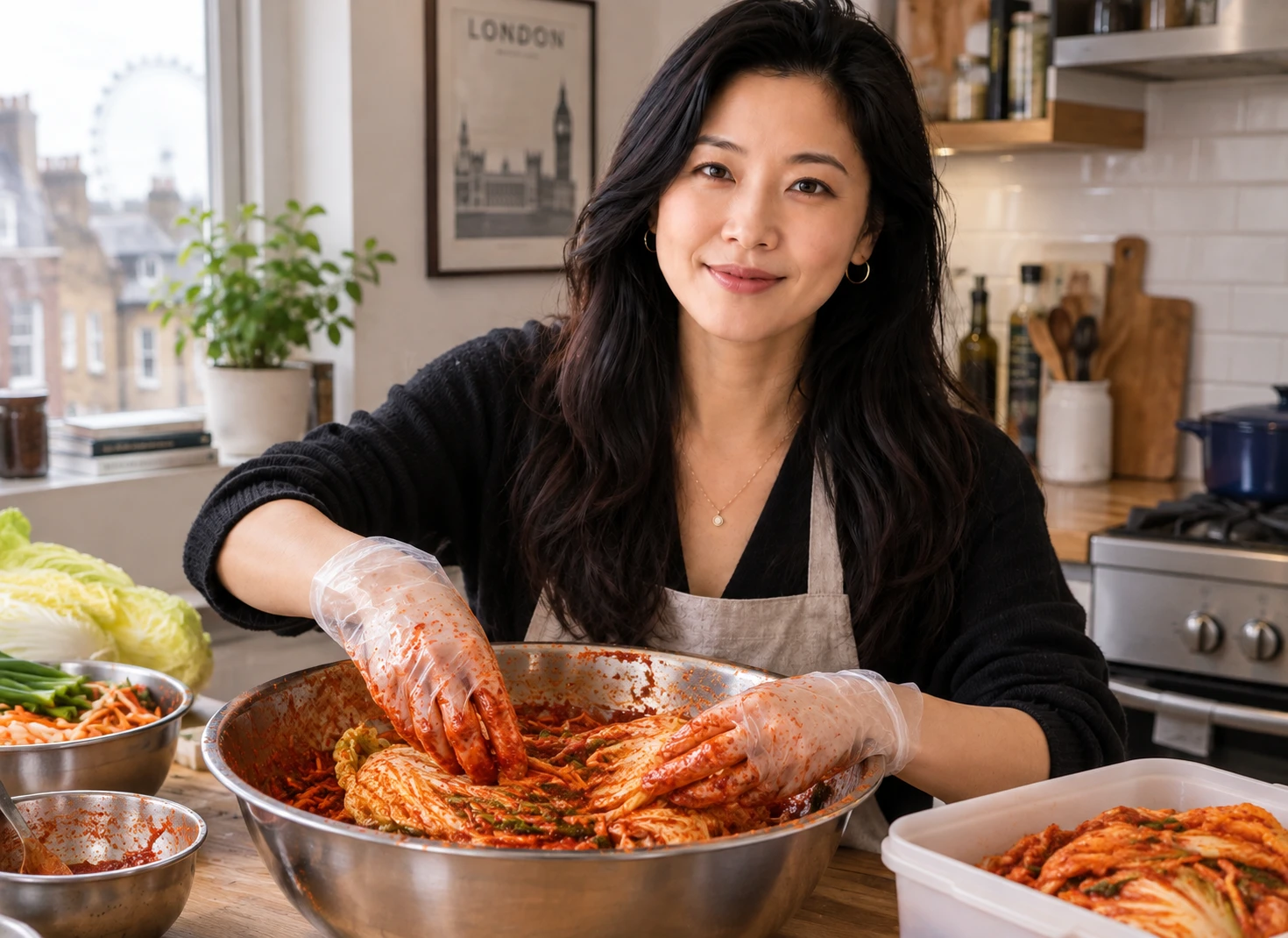

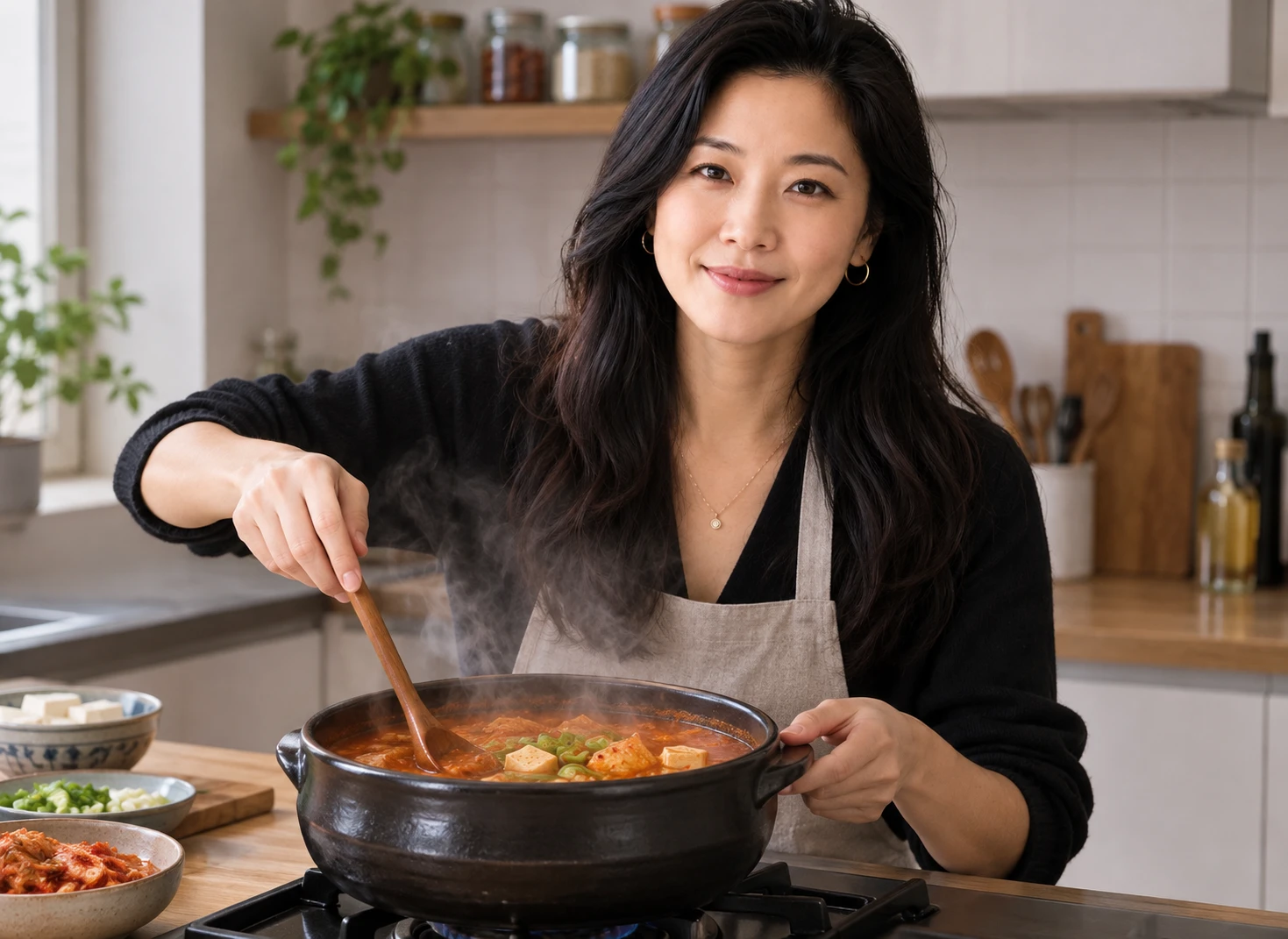
“Kimchi is not a recipe — it is a relationship. With time, with temperature, with the season you made it in. When you understand that, every batch teaches you something the last one didn’t.”
From Busan to London — My Kimchi Journey
I grew up in Busan, in a household where kimchi was not an ingredient — it was a rhythm. My halmoni (grandmother) made kimchi twice a year in enormous batches. Autumn meant baechu-kimchi from napa cabbages she bought from the Jagalchi market. Spring meant oi sobagi from cucumbers she grew herself. I started helping when I was 8 years old.


What I Know Best


What I Know That Most Guides Don’t Cover
-
Why iodized salt destroys fermentationIodine inhibits Lactobacillus bacteria. I discovered this through my failed first batch. Most English-language recipes say “use coarse salt” without explaining the chemistry. I tested iodized vs non-iodized side by side — the iodized batch showed zero fermentation after 5 days.
-
How temperature controls fermentation speed — preciselyAt 18°C, kimchi takes 4–5 days to reach Stage 2. At 24°C, the same stage arrives in 2 days. London kitchens run cold — I’ve adapted recipes for both warm and cool environments. The fermentation calculator on this site is based on my own temperature tests over 3 winters.
-
Why rice rinse water makes better jjigaeSsalddeumul (쌀뜨물) — the milky water from rinsing rice — contains starch particles that give kimchi jjigae broth a silkier, rounder body. A technique my grandmother used that I’ve never seen properly explained in any English-language recipe.
-
Traditional jangdok fermentation vs modern refrigerator methodsMy grandmother used onggi jars buried in the ground. The constant temperature and oxygen-limited environment produced kimchi with different microbial complexity than refrigerator-fermented kimchi. I document these differences for readers who have access to them.
-
Why canned tuna oil in jjigae is not optionalEvery English-language tuna jjigae recipe says “drain the tuna.” This is wrong. The oil is the functional equivalent of pork fat — it builds broth and carries flavour. I tested drained vs oil-in tuna in 12 batches. Drained version consistently produced thin, flat broth.
My Testing Methodology
Every recipe on KimchiGuide.com goes through this process. This is what makes the Test Kitchen Notes credible.
- 1Identify the key variablesBefore cooking once, I list every variable that could affect the result: pan type, kimchi age, broth base, heat level, timing. For kimchi jjigae, this produced 6 testable variables.
- 2Test one variable at a timeEach test changes only one thing. Cast iron vs non-stick = everything else identical. 6-week kimchi vs 3-week kimchi = everything else identical. Clean, useful results.
- 3Taste blind where possibleMy partner tastes both versions without knowing which is which. His Manchester palate represents the Western reader trying kimchi dishes for the first time.
- 4Document failures honestlyFailures go into the Test Kitchen Notes section. The iodized salt failure, the gentle-simmer jjigae failure — these teach more than successes.
- 5Final recipe tested 3× before publicationOnce the best method is confirmed, I make the full recipe three more times to confirm consistency. If it produces inconsistent results, I go back to testing.
Key Discoveries Over 15 Years
Find Me Online
I share recipe development, fermentation experiments, and Korean food culture across seven platforms. All content is created personally — no agency, no outsourced posts.
KimchiGuide in the Wild
How KimchiGuide Maintains Accuracy
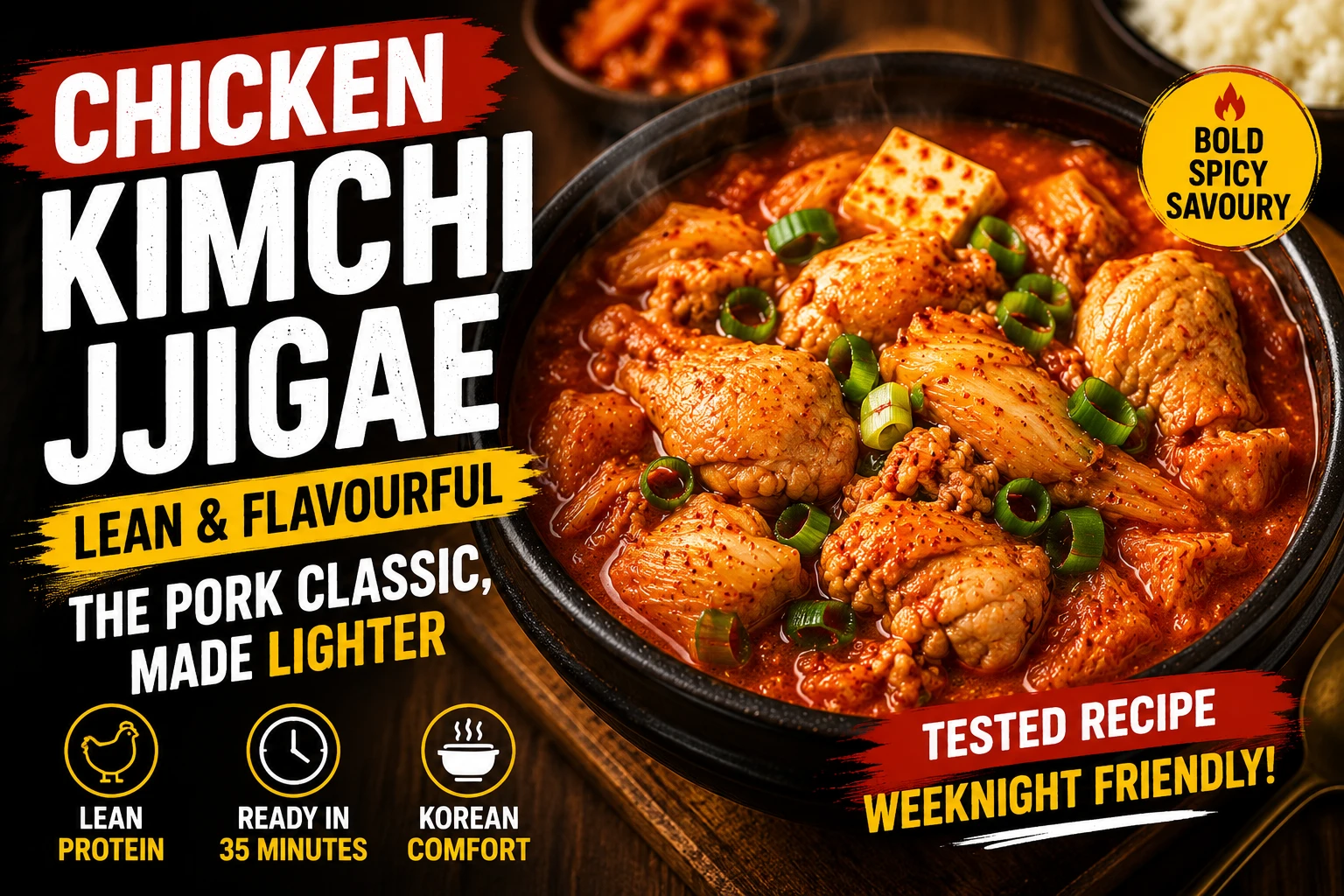
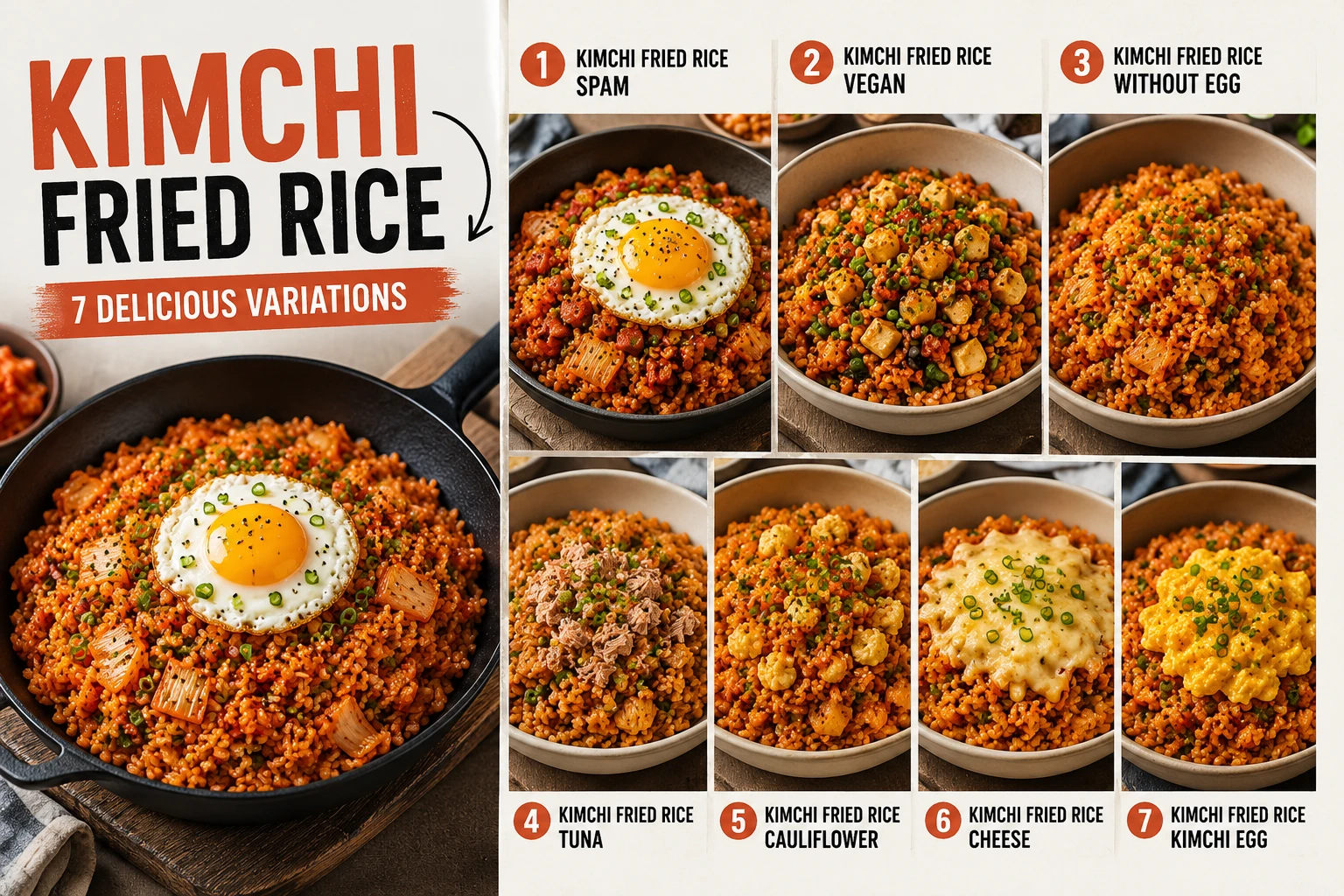
What I’ve Been Testing

Get in Touch
Privacy: Privacy Policy · Terms of Use · Cookie Policy