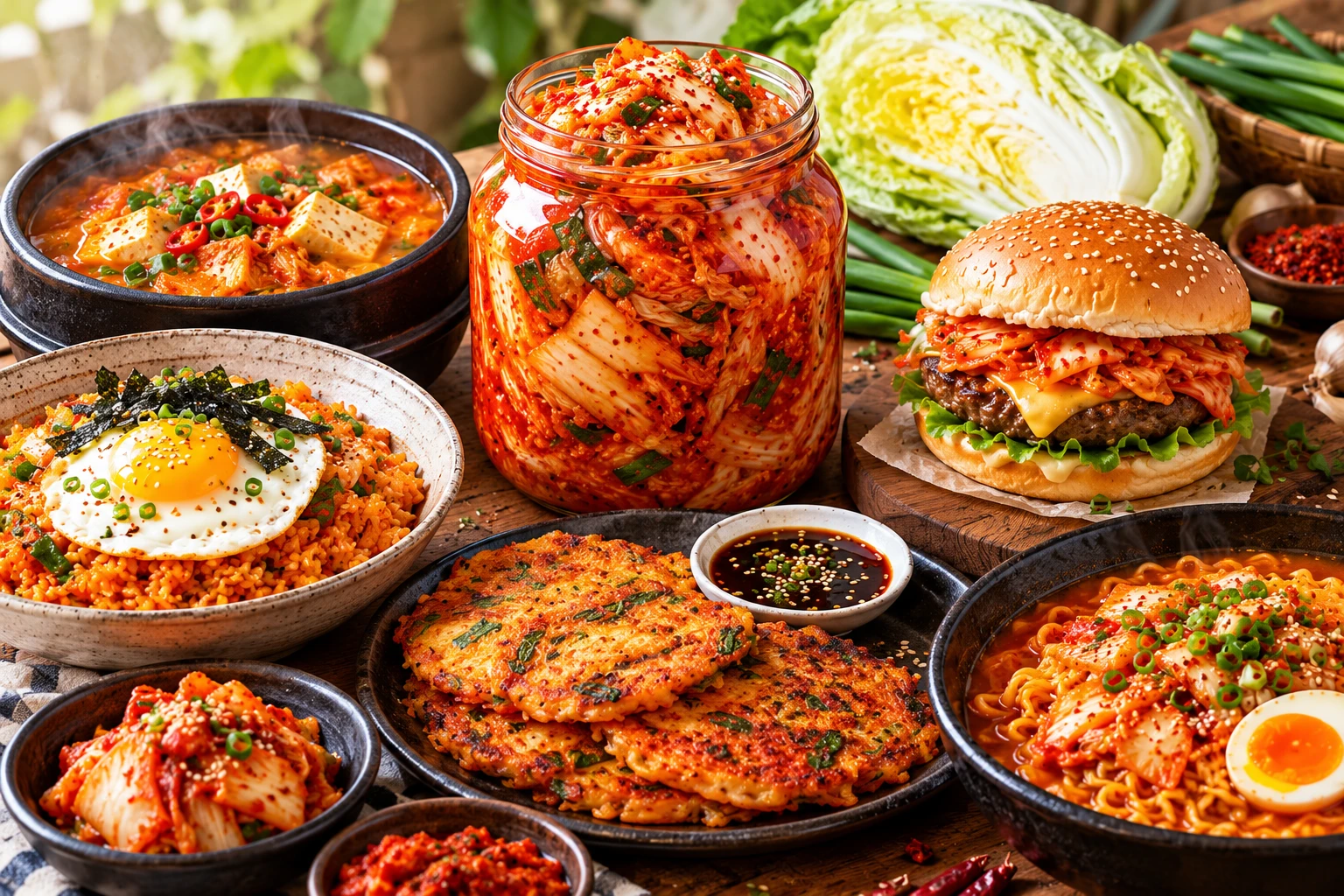
Kimchi Recipes: 39 Tested Recipes, Sorted by Type
How to make kimchi from scratch, plus every recipe I’ve tested that uses it — organized so you can actually find the one you need tonight, not buried under a wall of theory before the list starts.

Why This Page Looks Different From Most Recipe Roundups
I’ve made kimchi every week for twelve years — first in my grandmother’s kitchen in Busan, now in my own, testing what actually works before it goes on this page. Below is a quick version of the base recipe if you’re starting from zero, then 39 tested recipes that use kimchi, organized by category so you can actually find what you need.
How to Make Kimchi (Quick Version)
Traditional napa cabbage kimchi in five steps: salt the cabbage, rinse, mix a gochugaru paste, massage it in, then ferment. About 45 minutes of active prep plus 1–2 days of fermenting.
- Salt the cabbage: quarter a large napa cabbage, submerge in salted water 1–2 hours until the stems bend without snapping.
- Rinse and drain: rinse 2–3 times under cold water, drain at least 20 minutes.
- Make the paste: whisk gochugaru, fish sauce, garlic, ginger, and sugar into a thick paste.
- Mix everything: massage the paste into the leaves by hand, folding in scallions and radish as you go.
- Pack and ferment: pack tightly into a jar, leave at room temperature 1–2 days, then refrigerate.
Find Your Recipe
Filter by category, time, spice level, or diet — jumps straight to matching cards below.

Most recipes tell you to rinse the cabbage after salting. I mostly don’t — the extra salt clinging to the leaves speeds the ferment up exactly how I like it. Try both and see which you prefer.
Kimchi Fried Rice
My most-made dish by far. Needs kimchi that’s at least two weeks old — fresh kimchi won’t give you the caramelized edge.
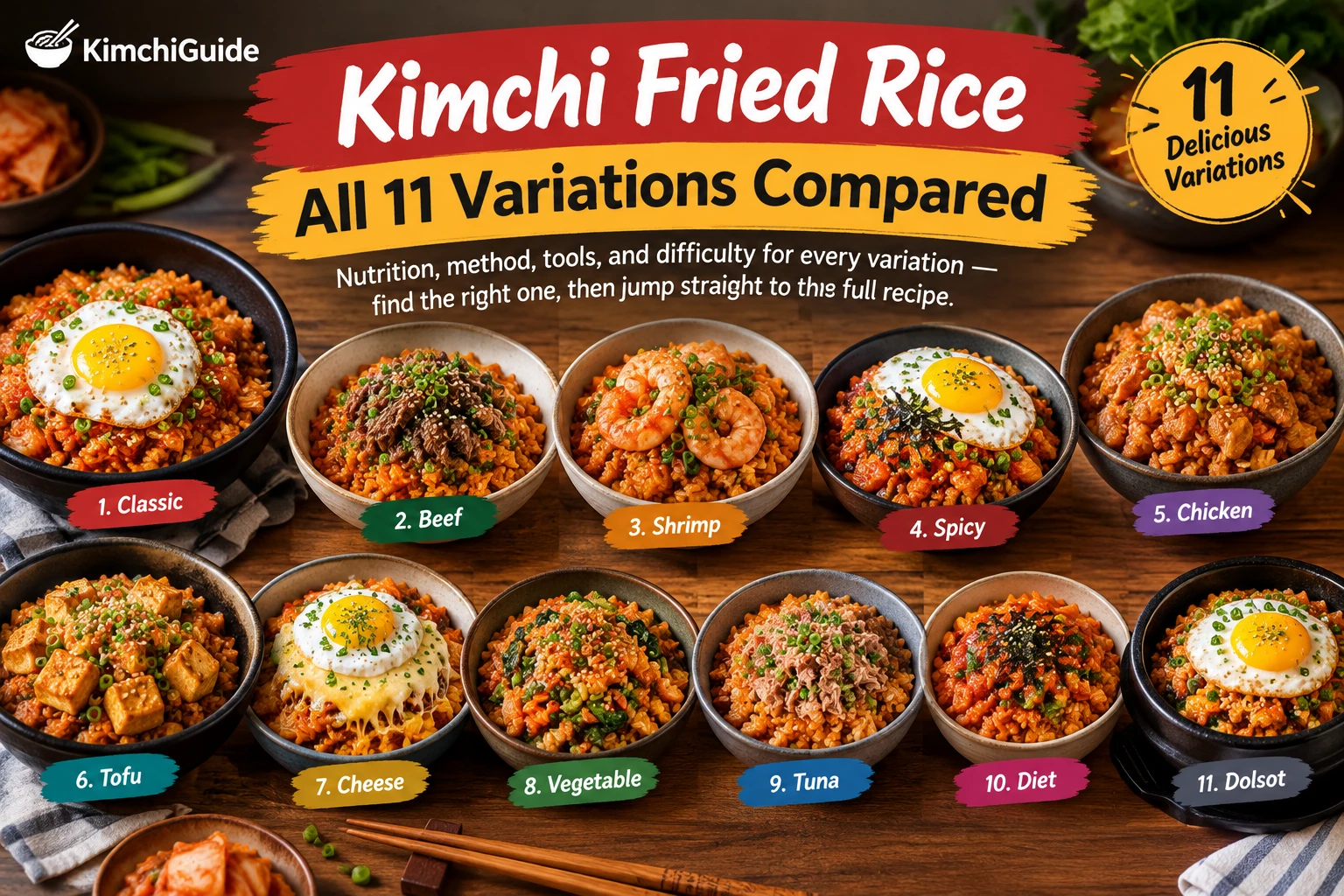
Start here if you’re not sure which version to make.
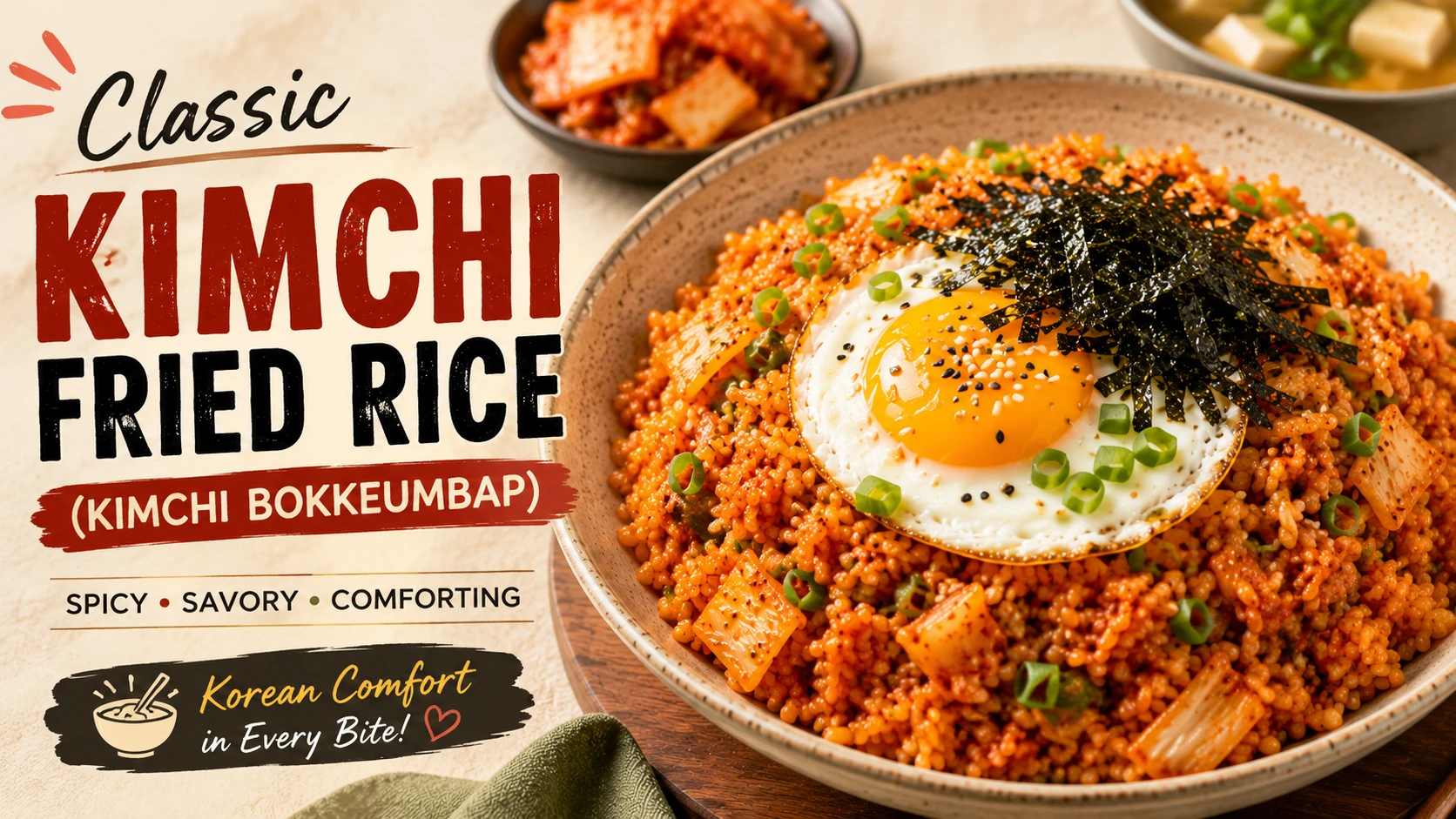
The version my mother taught me. No shortcuts.

Pantry-only. Canned tuna, no store trip required.
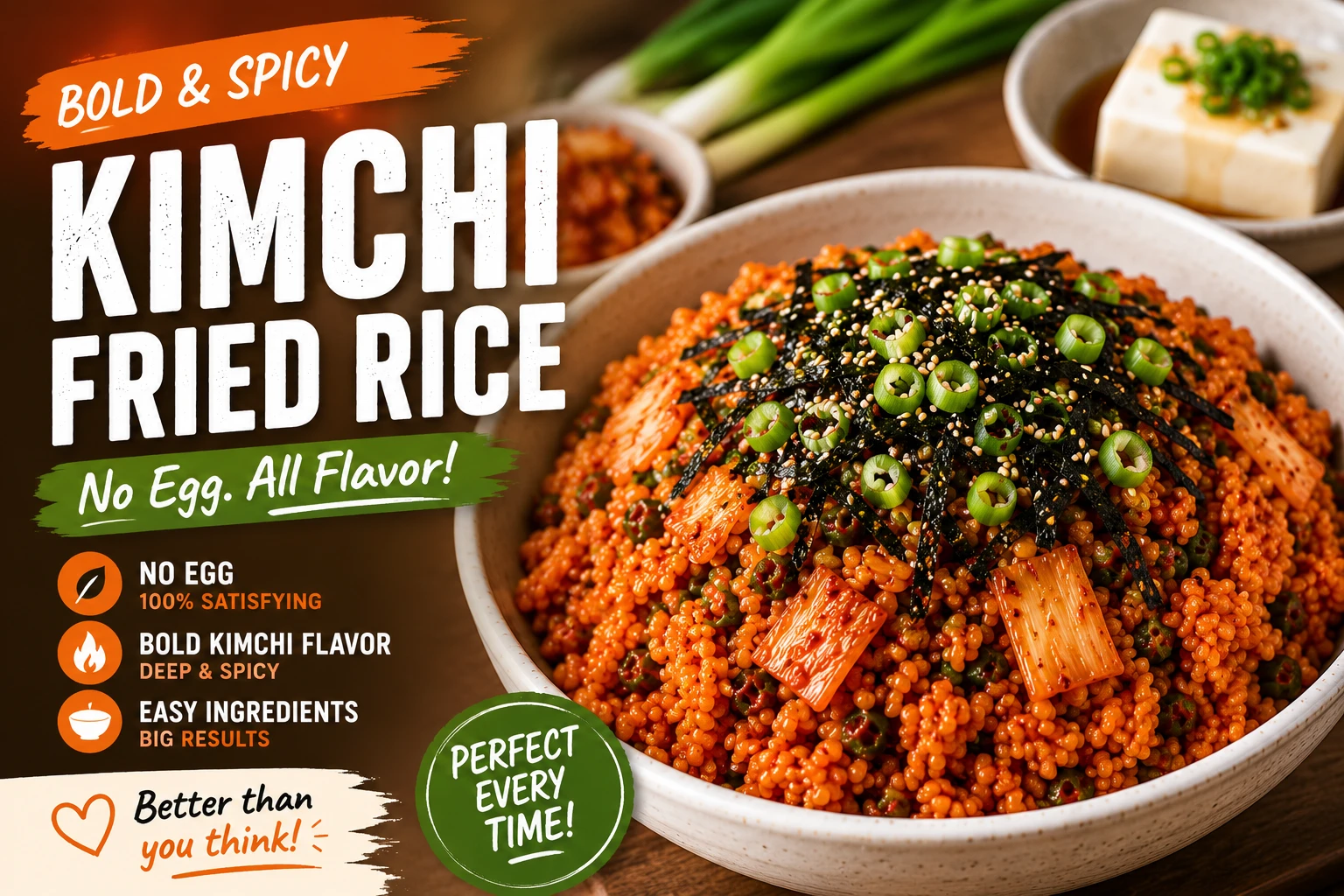
For an allergy in the family — what I make for my nephew.
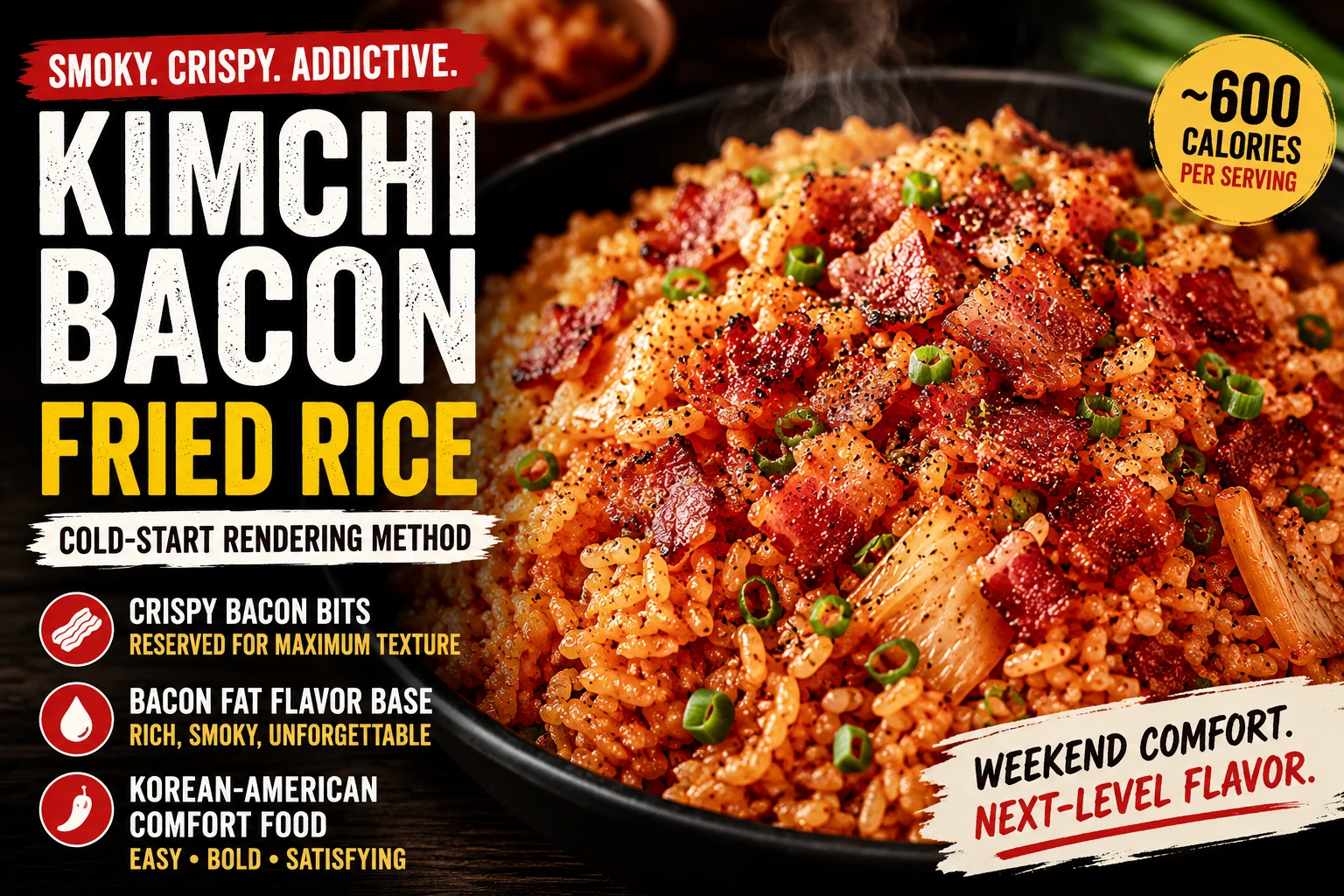
Bacon fat replaces the usual oil. Smokier.
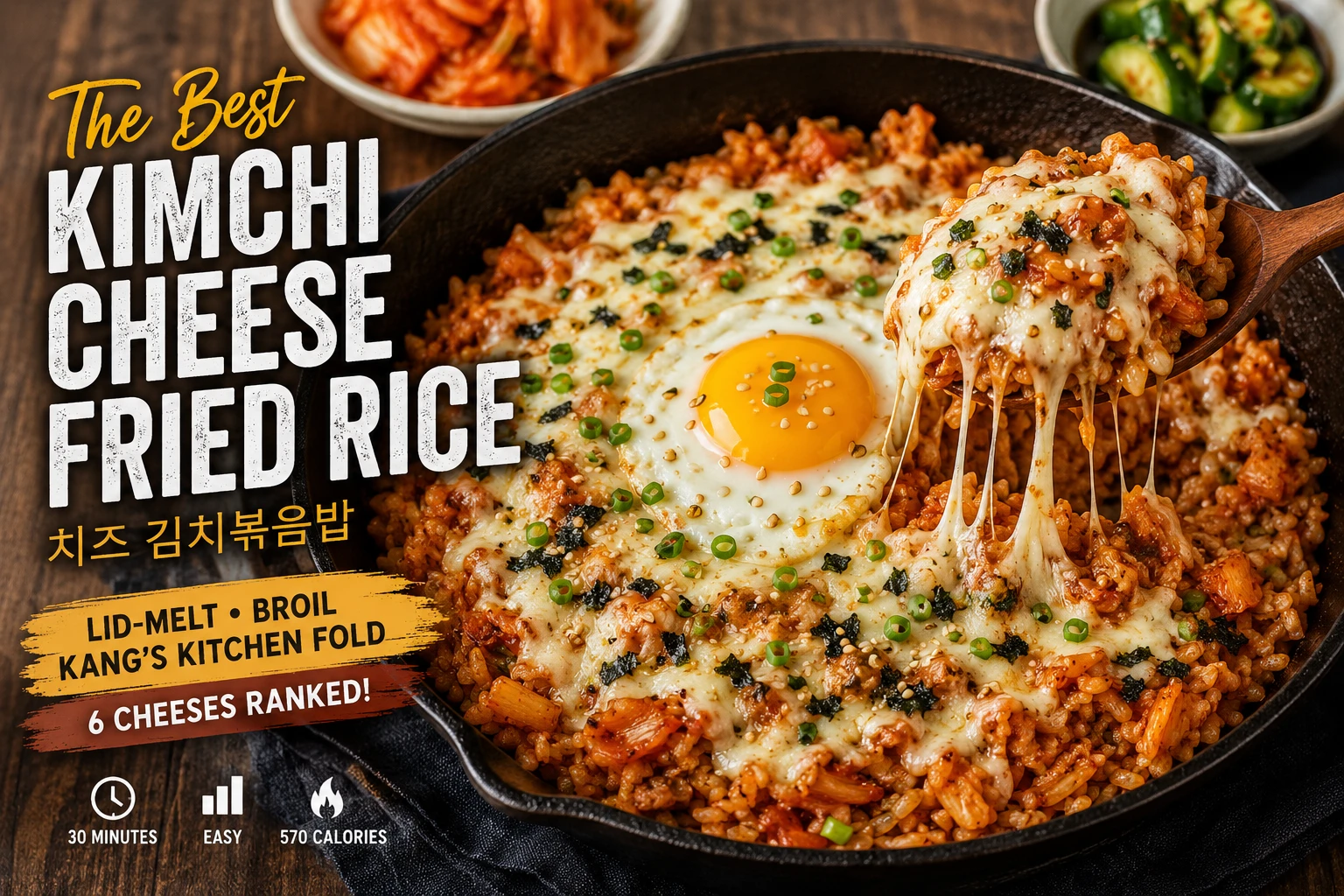
Converts people who say they “don’t really like kimchi.”
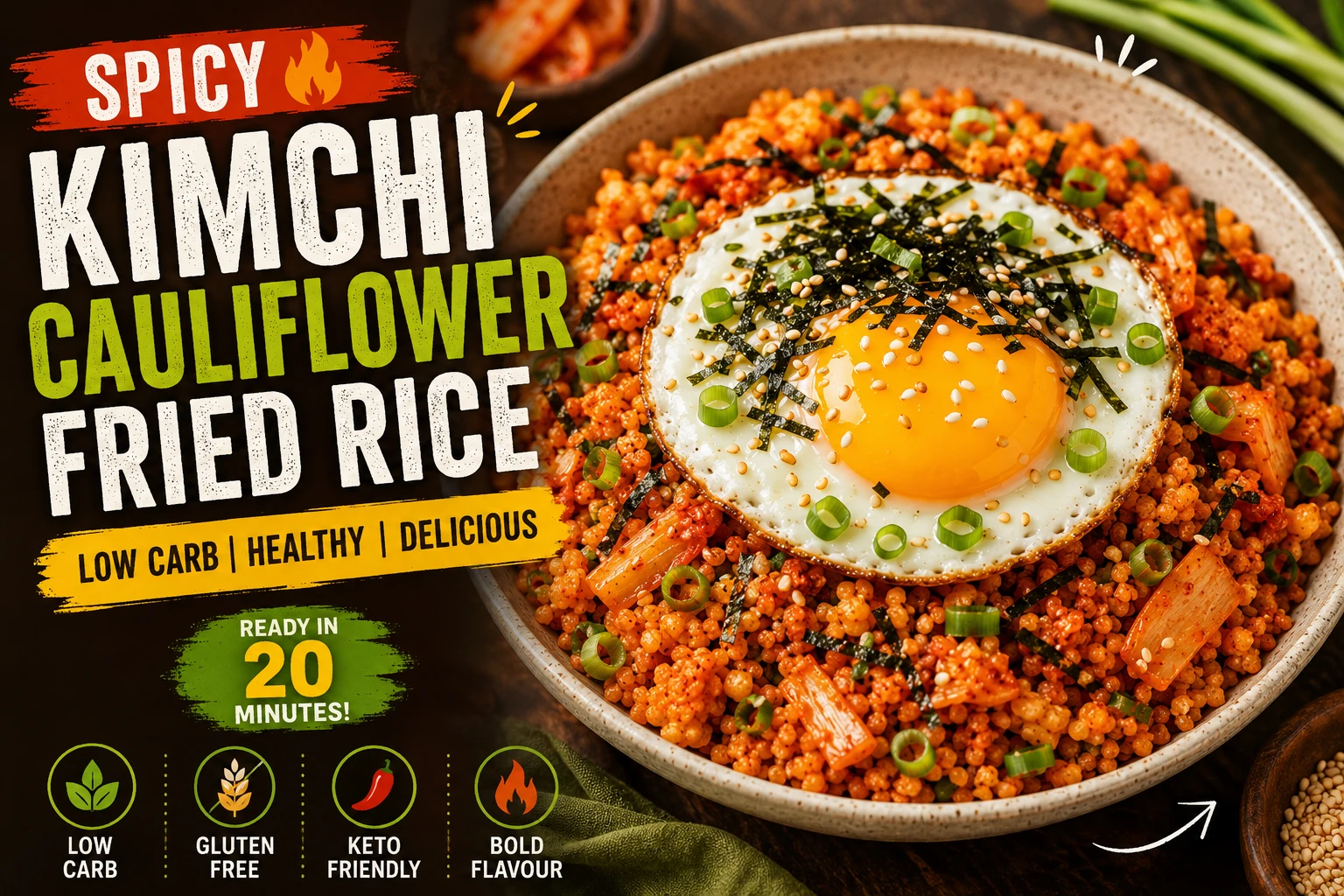
Low-carb — seasoned heavier to compensate.
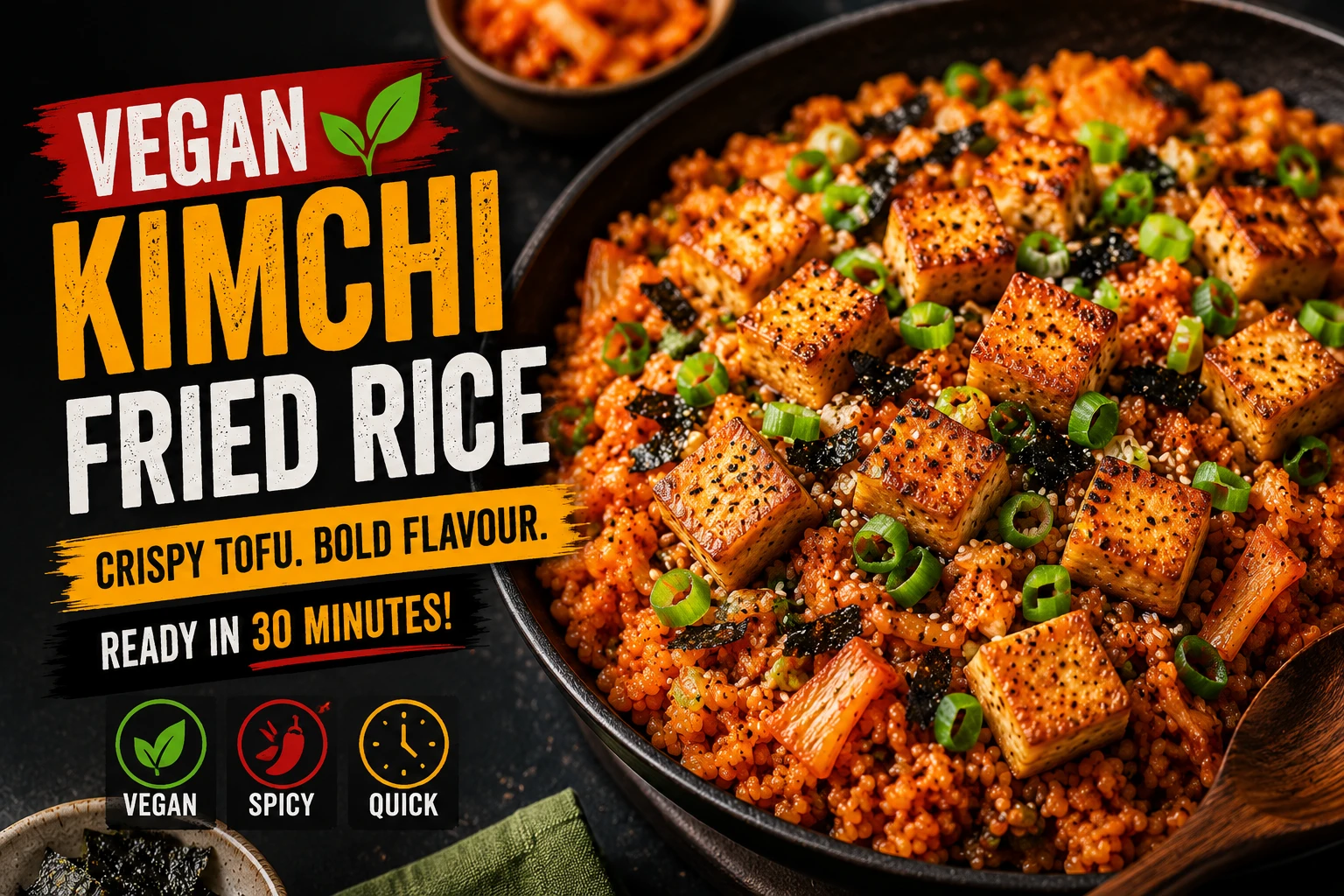
Needs vegan kimchi as your base — check the brand guide.
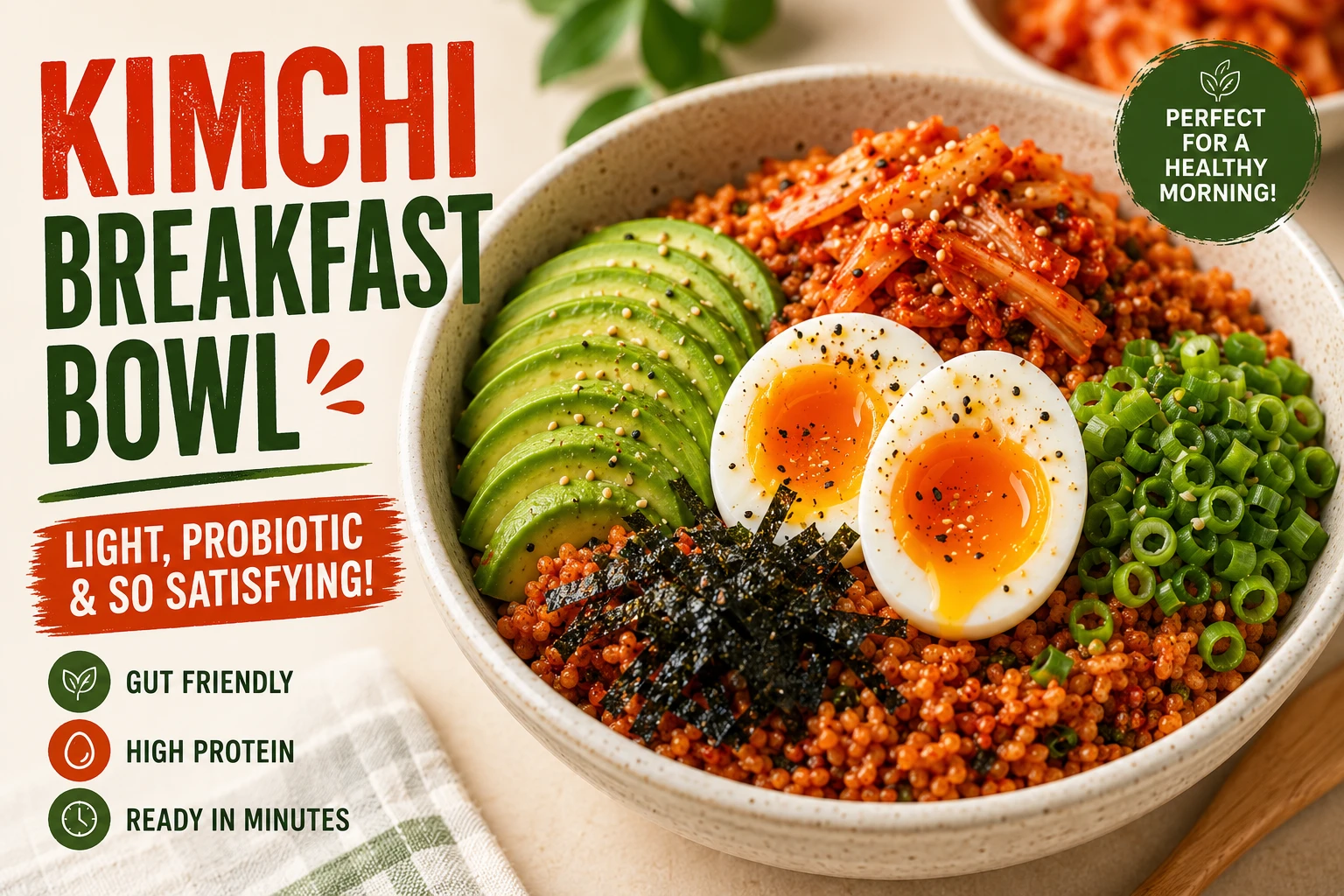
Plus a soft egg. What I actually eat most mornings.

Broccoli needs a head start or it steams, not chars.

Render the pork belly slowly first — don’t rush it.
I’ve made kimchi fried rice more than any other dish on this site — probably a few hundred times by now. If you only try one recipe here, make it this one first. It’s the most forgiving, and it’s the dish that taught me how kimchi’s age changes everything.
Kimchi Jjigae & Stews
What I actually crave in cold weather. Use over-ripe kimchi here — six weeks minimum, trust me.

My grandmother never measured her gochugaru — she knew by the color of the paste.
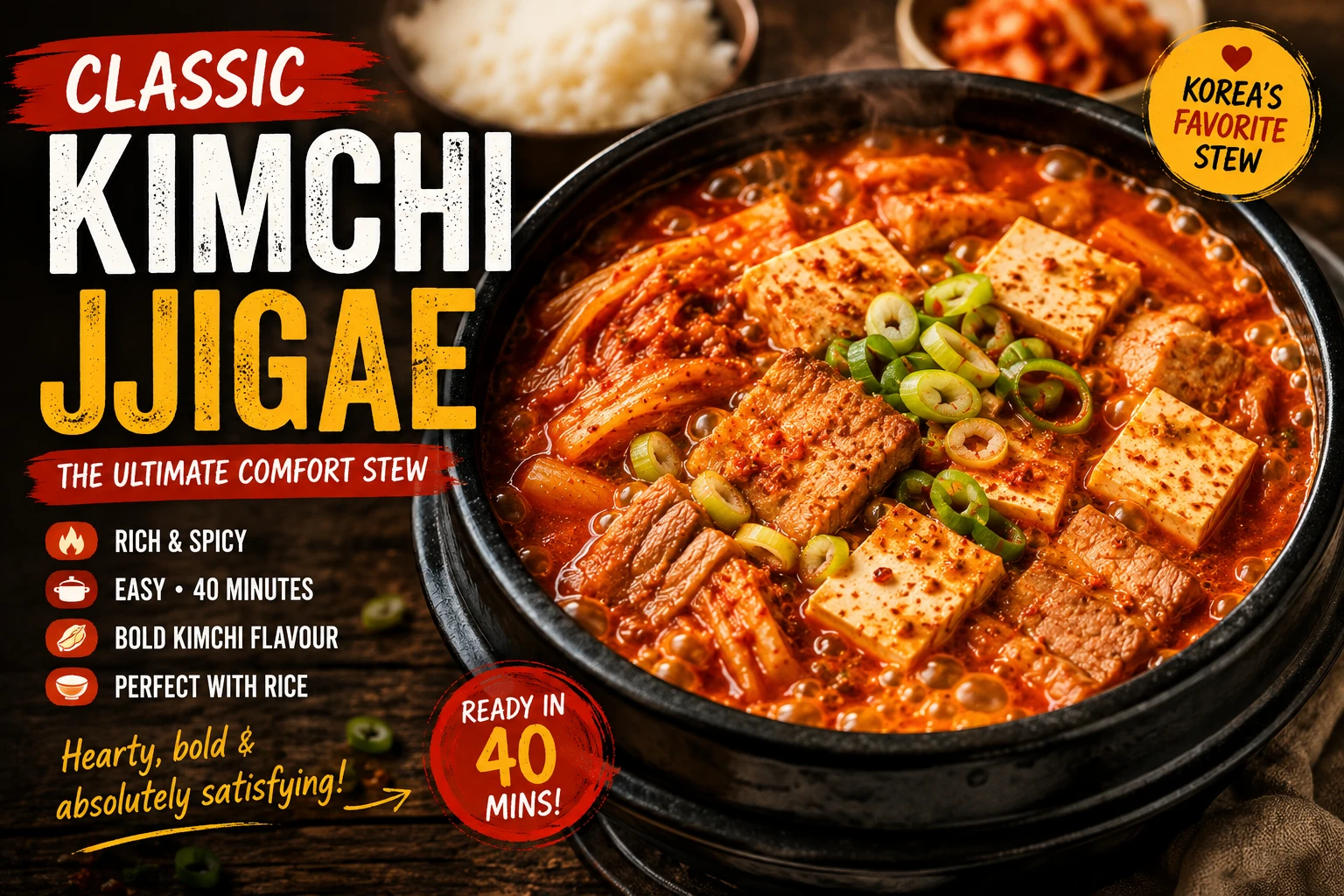
Pork belly, tofu, no shortcuts.
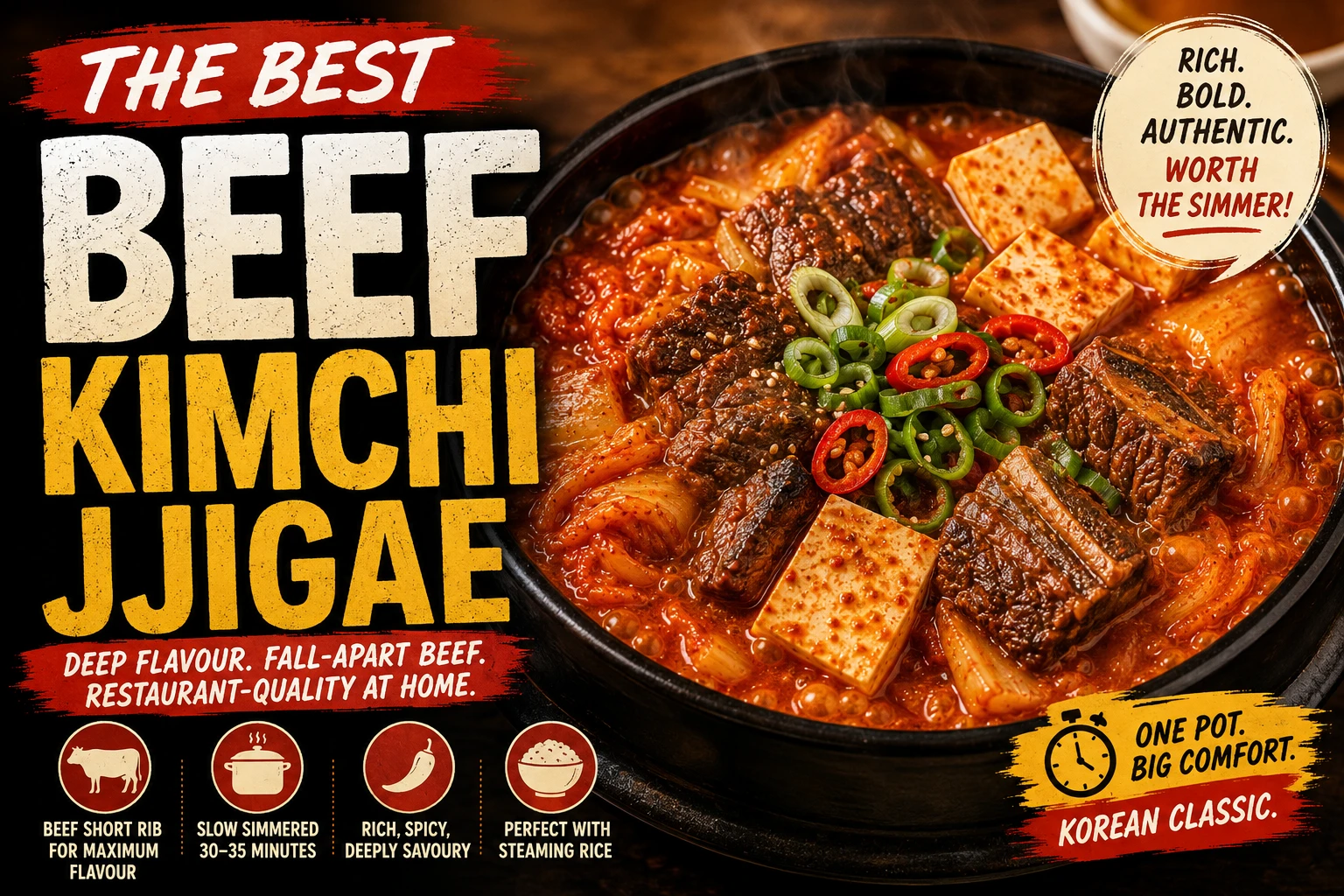
Richer broth — good with a fattier cut like short rib.
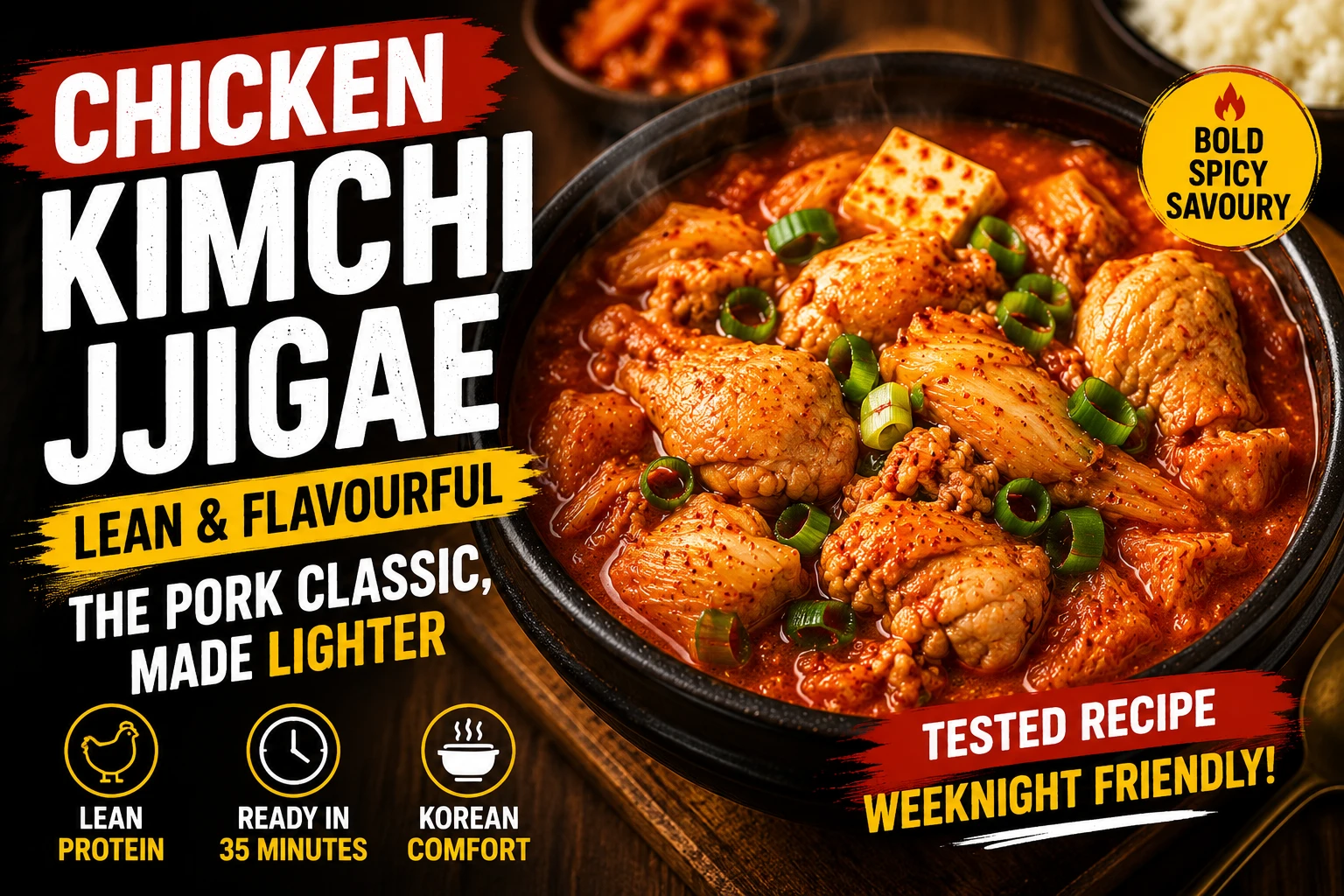
Lighter weeknight version. Thighs, not breast.

Silken tofu instead of firm. Egg at the end.

Seared Spam, simple comfort-food version.
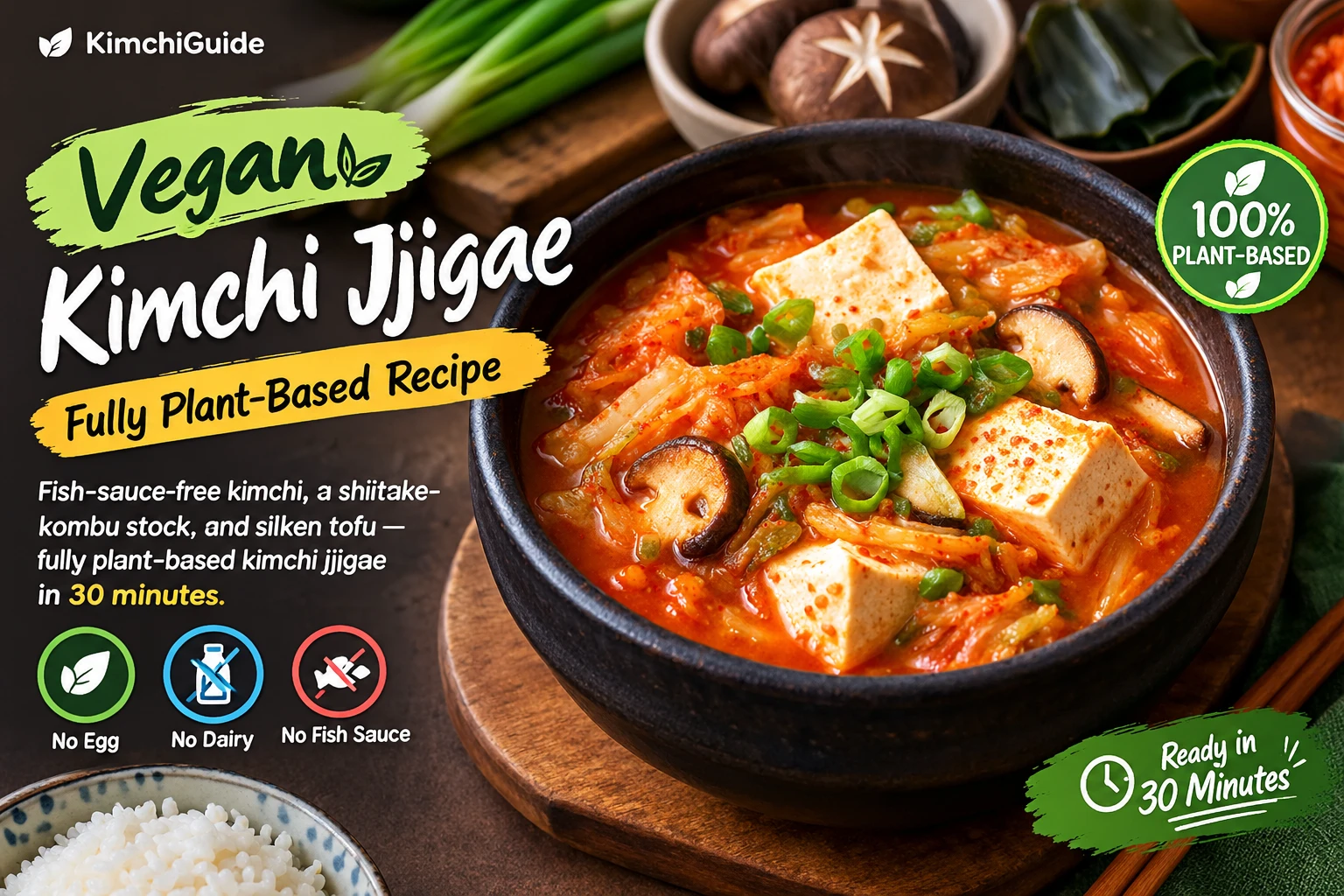
Mushroom broth stands in for anchovy stock.
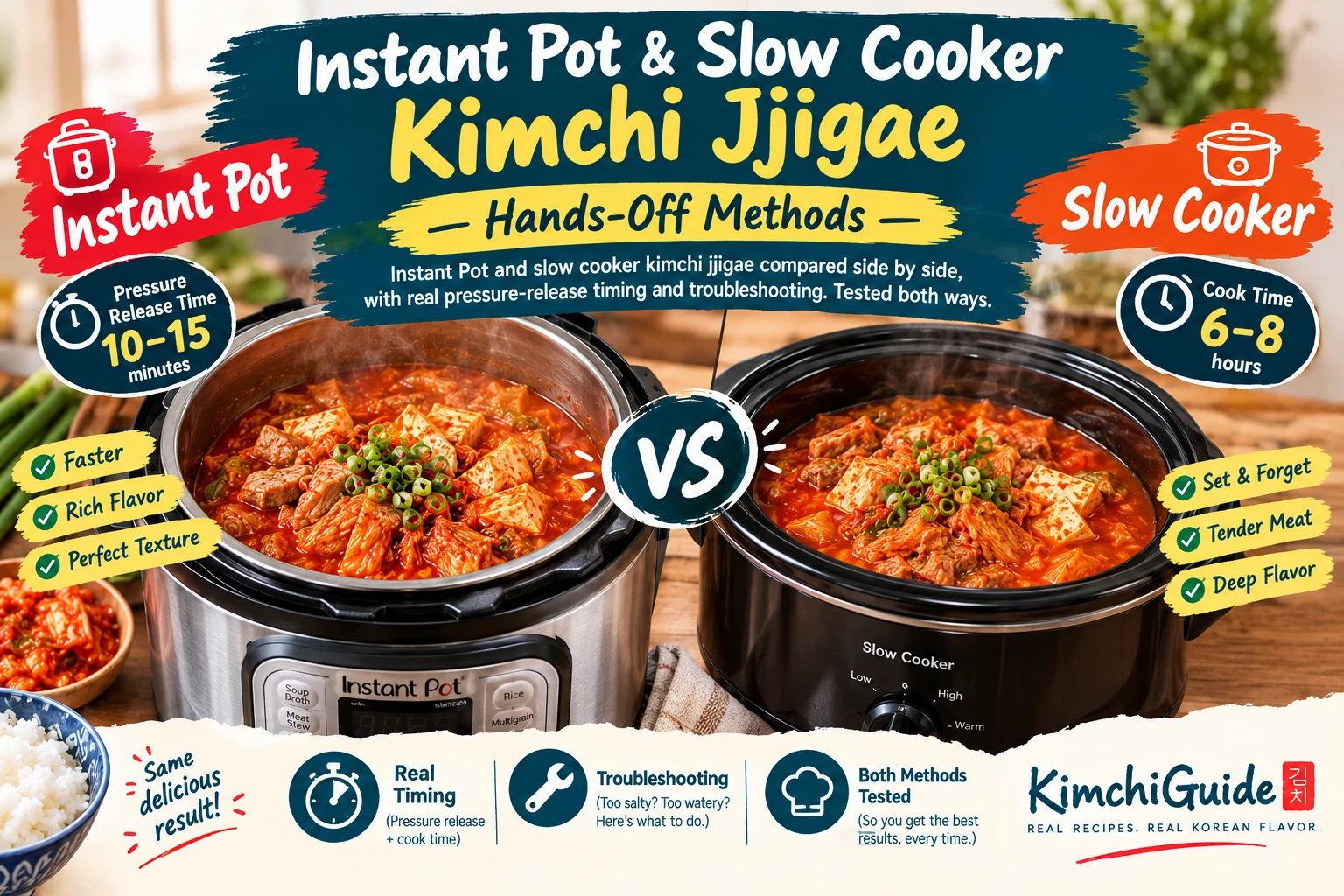
Not traditional, but I use this one more than I admit.
Jjigae is the dish that actually decides whether kimchi is “too sour” or exactly right. If your kimchi tastes almost too sharp to eat on its own, that’s not a failed batch — that’s jjigae kimchi. Don’t throw it out.
Kimchi Pancake & Other Quick Recipes
The fastest recipes on the whole site — no fermentation step of their own, no advance planning, just kimchi you already have and a hot pan.

Korea’s rainy-day favorite — crispy edges, no fermenting, 20 minutes total. The classic way to use up kimchi that’s gone sour.
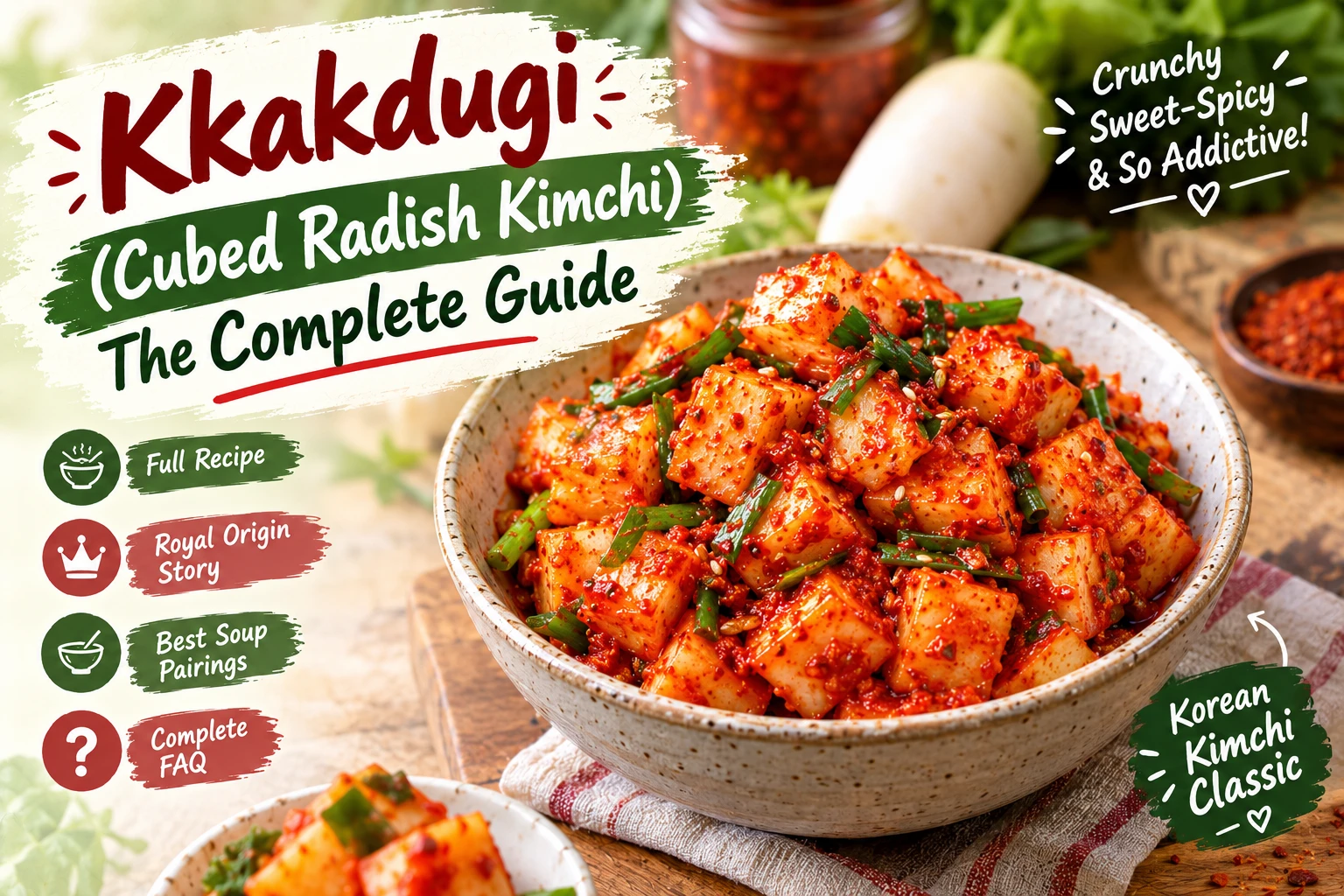
Cubed radish kimchi — a beginner-friendly type of kimchi in its own right, fast to prep.
These two are what I actually make on a weeknight when I don’t want to think. No planning ahead, no waiting on a ferment I haven’t started — just kimchi I already have in the fridge.
Readers Keep Asking Me
In a pinch, yes — though the texture ends up softer and the ferment moves a little faster since the cuts are thinner. — Ji-Young
No — this happens to nearly everyone once. It’s almost always over-salting the cabbage at the start, not the ferment itself. — Ji-Young
A few readers have told me the same thing recently. Almost always it’s over-salting early on, not how long it ferments. — Ji-Young
Kimchi Burgers
Started as my husband’s idea, half joking. Now half the burgers in this house get kimchi somewhere in them.

Chopped kimchi mixed into the patty, not just on top.

Thin, hard-seared patties, two per bun.

A firm patty holds up best against kimchi juice.

For when people are coming over and I’m short on time.
My husband still half-jokes that this whole category was his idea. He’s not entirely wrong — but I’m the one who figured out the kimchi needs to be chopped fine enough to actually bind into the patty, not just sit on top.
Noodles & Ramen

Instant noodles, upgraded. Kimchi juice goes in the broth.

Tempered-cream, separate-cook method. Not a quick skillet toss.

Off-heat melt method — cheese never hits the boiling broth directly.

Cold noodle version — good on a hot day.
Kimchi and noodles is an easy sell — the brine already tastes like it belongs in a broth. The cheese ramen is the one that surprises people most; the trick is keeping the cheese off direct heat.
Test Kitchen
Every recipe on this site started in jars like these. I label the date, the gochugaru brand, and the ferment temperature, because small changes matter more than most recipes let on.
Traditional Kimchi Types
Beyond the classic napa cabbage version — worth knowing if you want to go deeper.
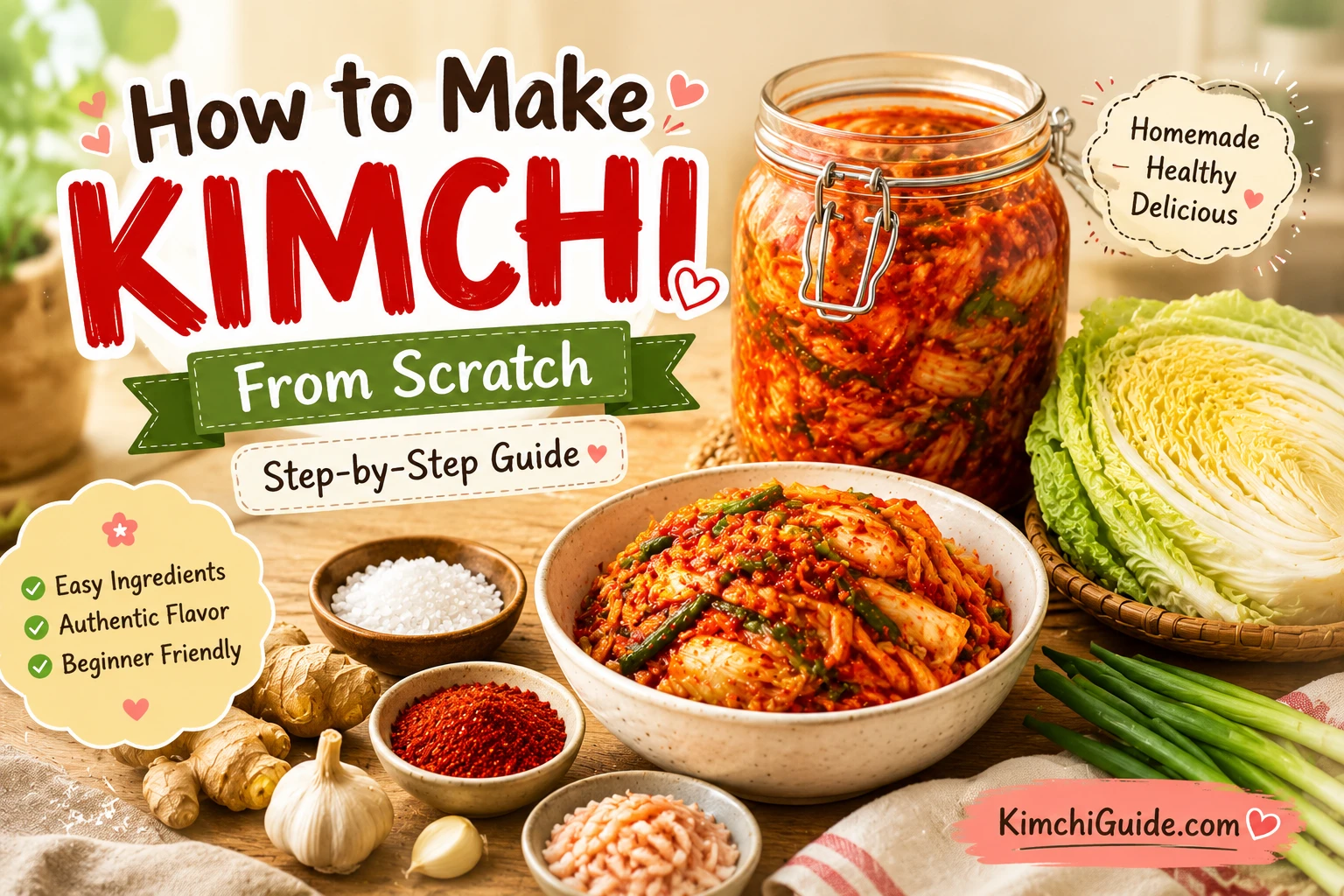
Full version of the quick recipe above, with photos and troubleshooting.
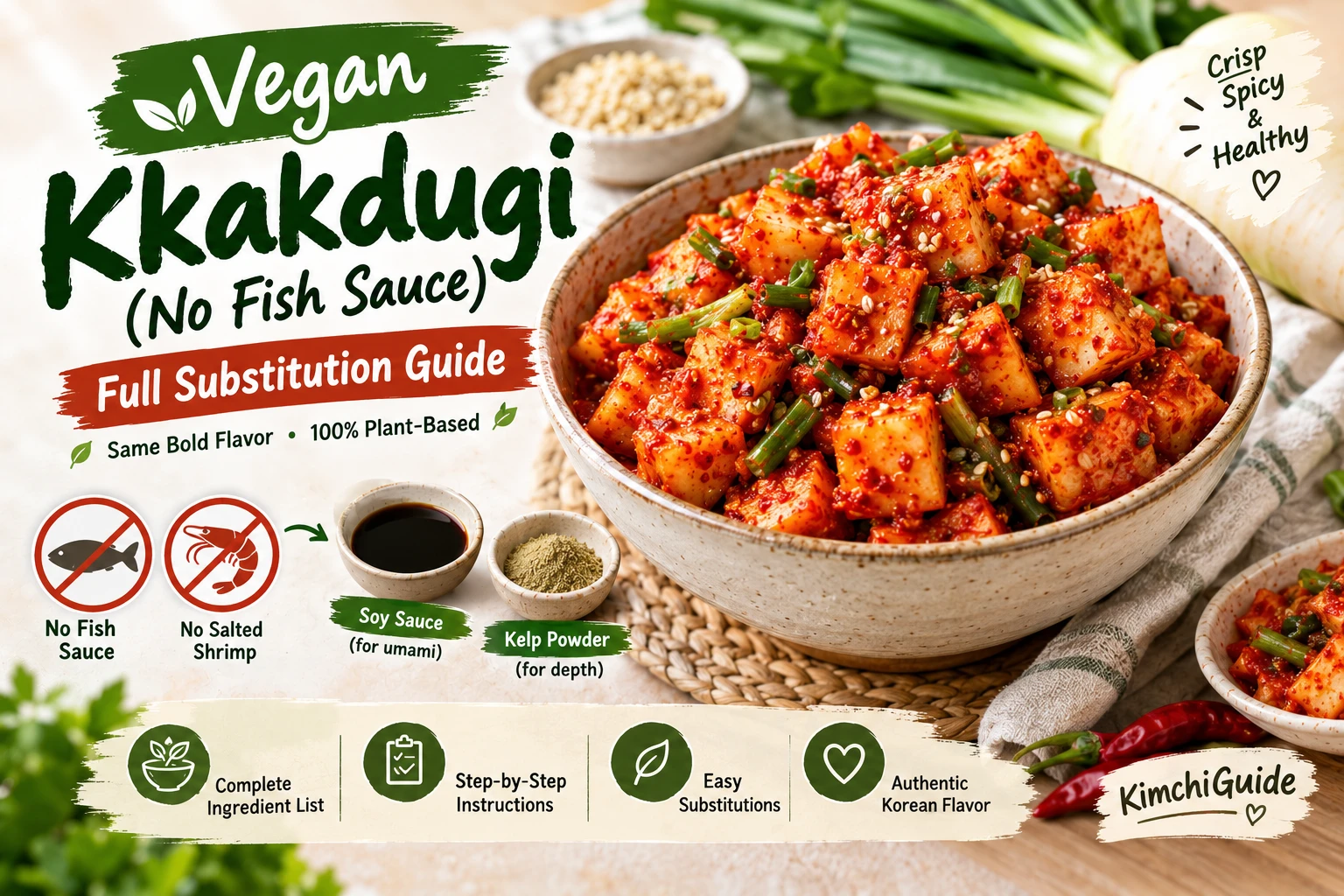
Soy sauce and shiitake swap in for fish sauce and shrimp.

Whole cabbage bundles for holidays. Worth it twice a year.

Mustard greens, sharper than cabbage. Not for a first-timer.
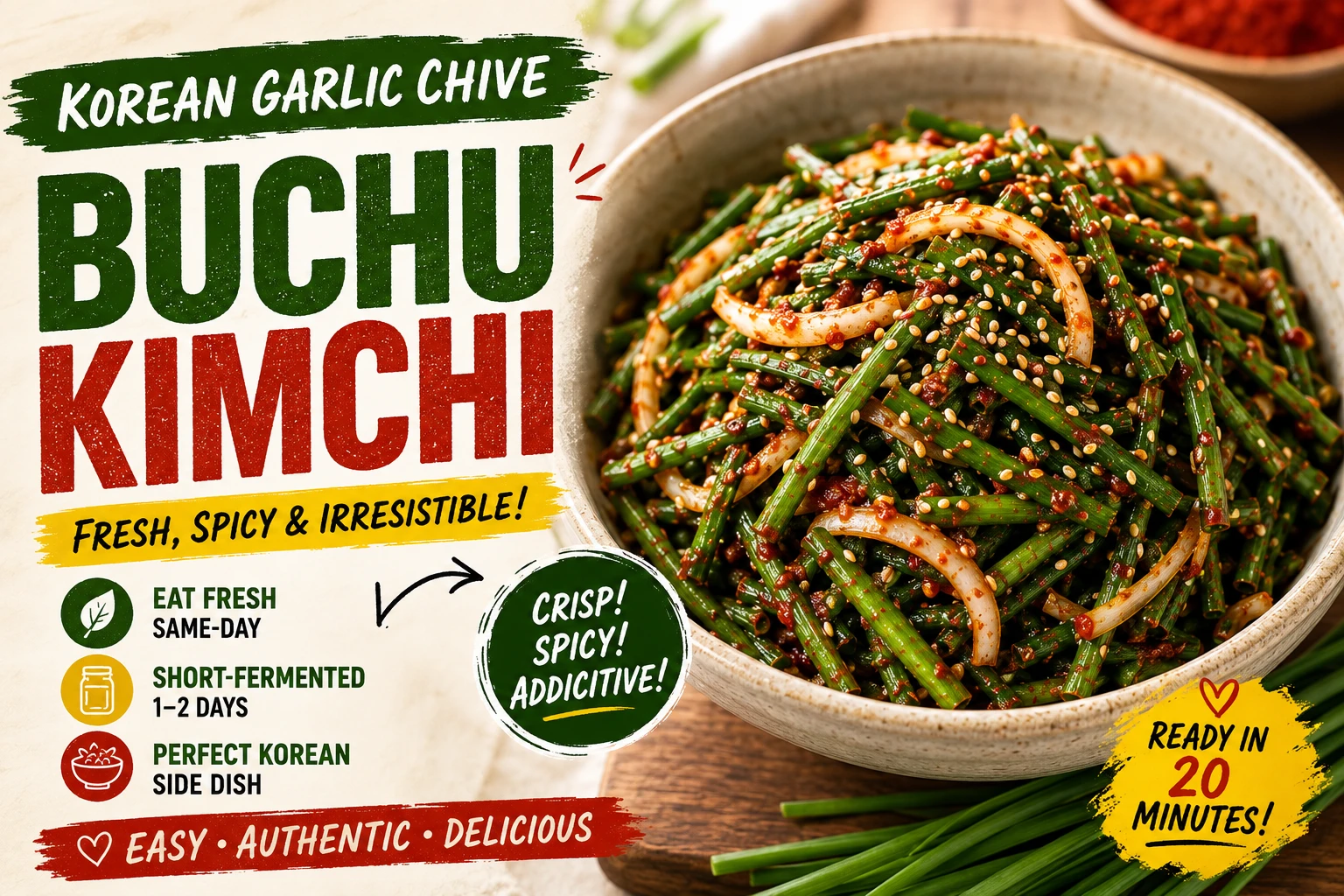
Garlic chive kimchi. Quick, doesn’t keep as long.

Pollock as the main ingredient, not just seasoning.
Looking for kkakdugi (cubed radish kimchi)? It’s now listed under Kimchi Pancake & Other Quick Recipes above, alongside kimchi pancake, since both are fast, beginner-friendly recipes.
Napa cabbage kimchi is what most people picture, but it’s genuinely just one of hundreds of regional versions. Gat kimchi is the one I’d actually recommend trying next — it’s the closest in spirit to the original.
Types of Kimchi — The Full Guide
The recipes above cover the types most people actually cook with. Korea has 200+ named varieties — if you want the full breakdown of what makes each one different, that lives in its own guide, not crammed into this page.
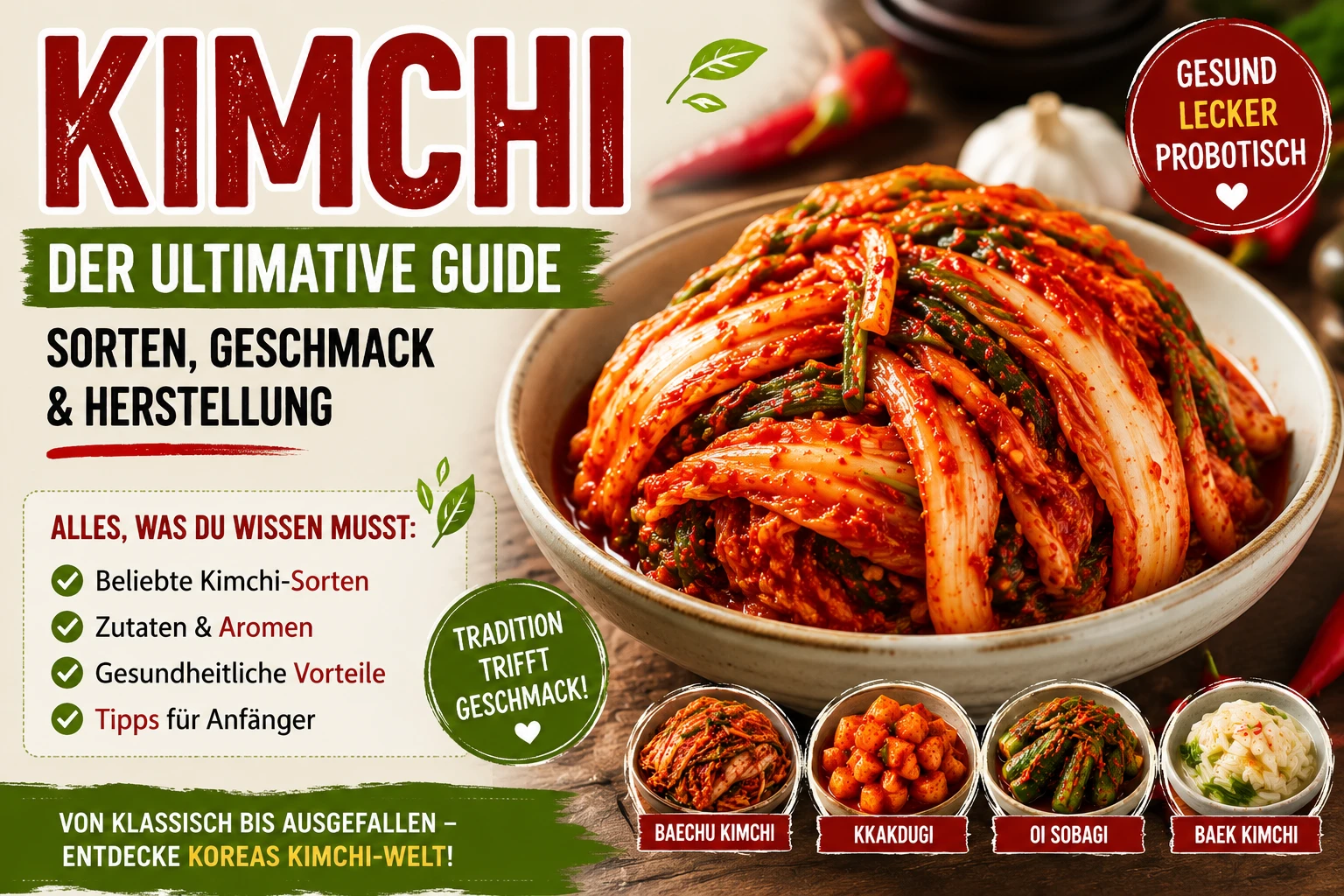
Every major variety explained, with what makes each one distinct.
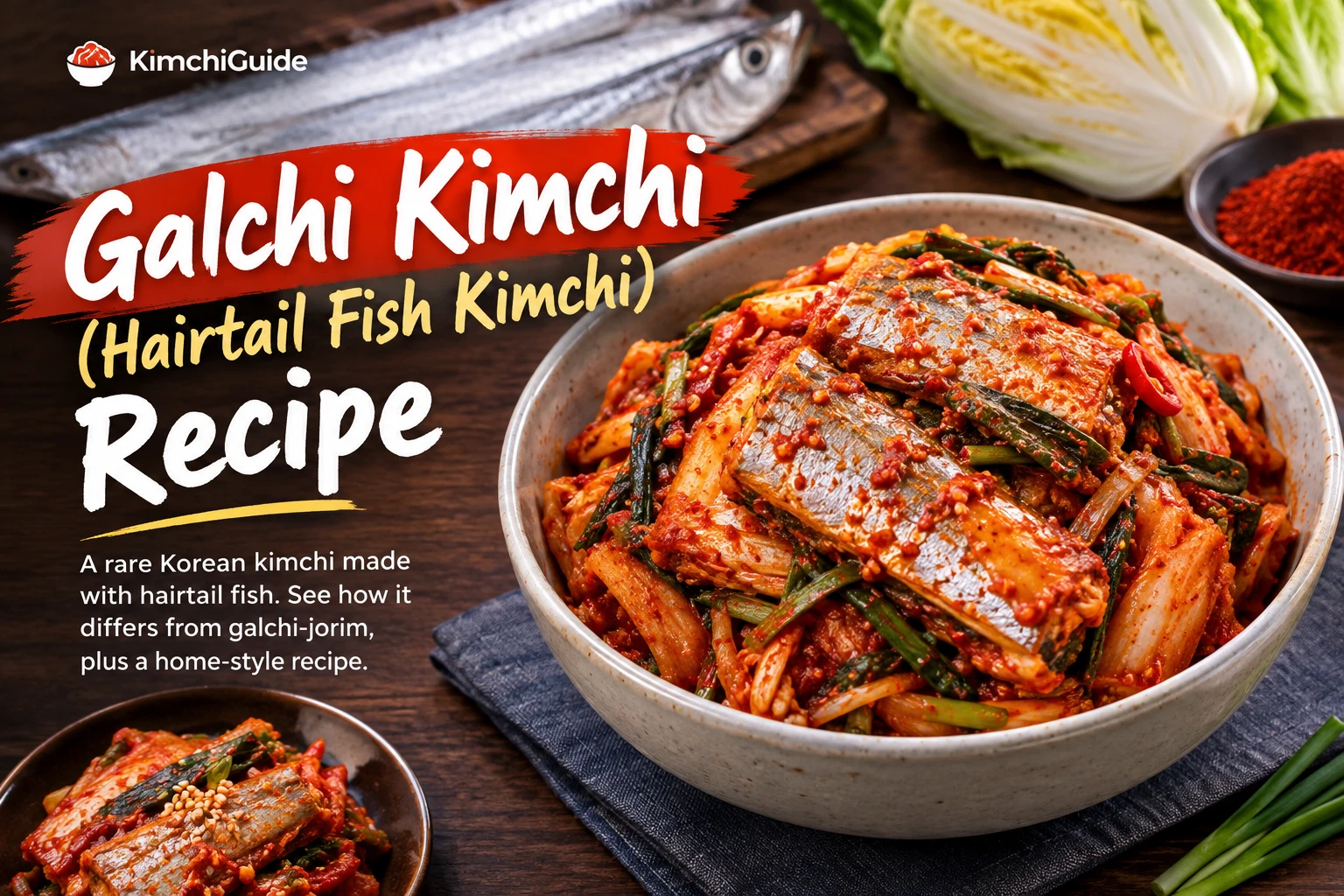
A less common regional type — cutlassfish-based.
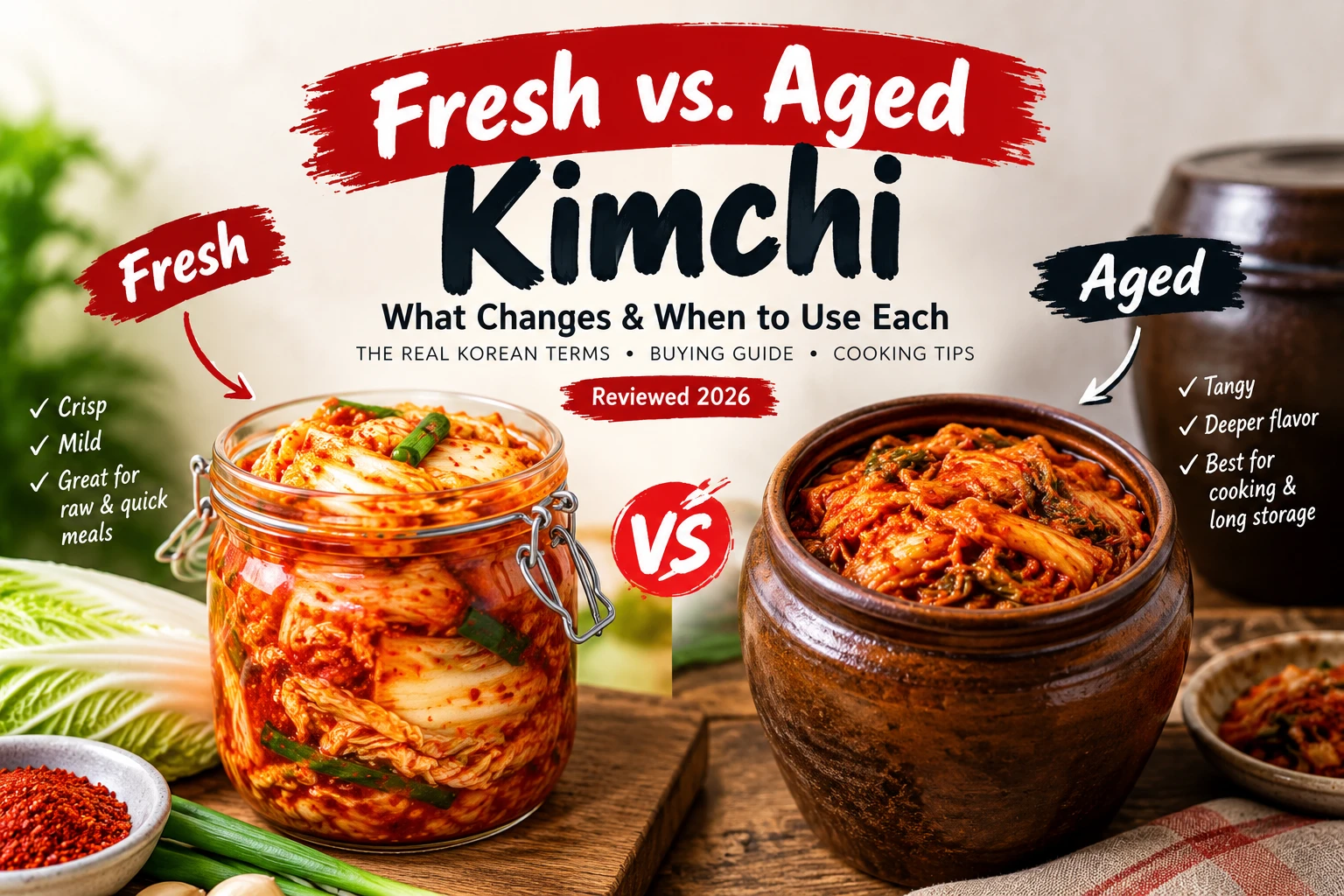
How the same kimchi changes completely over its lifespan.

Past-prime kimchi isn’t wasted kimchi — kimchi pancake and jjigae are the two best answers.
Fusion & Global Dishes
Korean flavor meeting dishes it was never traditionally part of. Some started as accidents.

Came from leftover bulgogi and a half-empty jar.

Rolled omelet, kimchi folded through. A lunchbox staple in Busan.
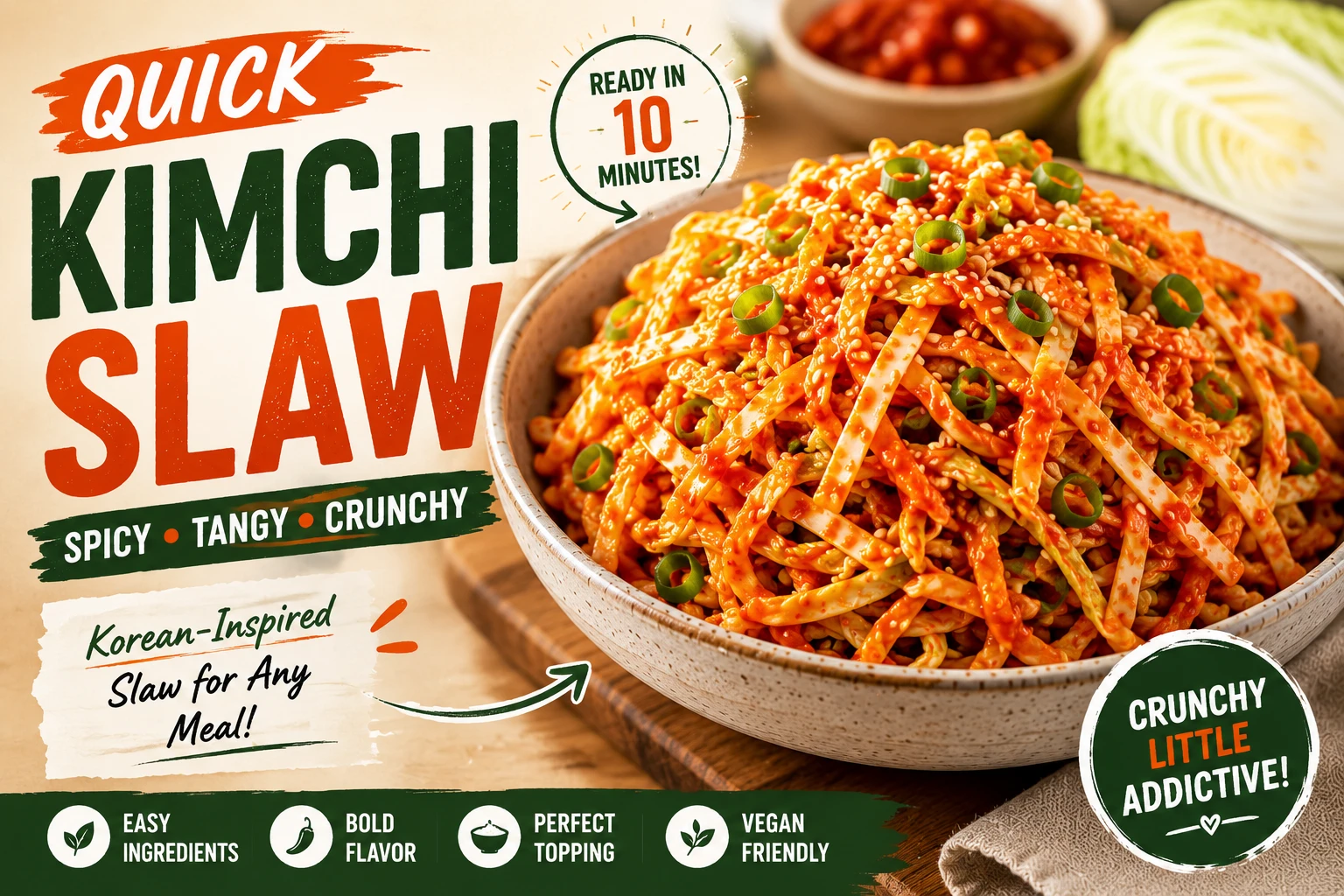
No cooking. What I bring to a barbecue.

Army-base stew. Not elegant. Always finished.
None of these are traditional, and I’d never claim they are. But kimchi tacos happened in my own kitchen out of leftovers, and it’s stayed in the rotation for three years now — that’s a good enough reason to write it down.
Prefer Store-Bought?
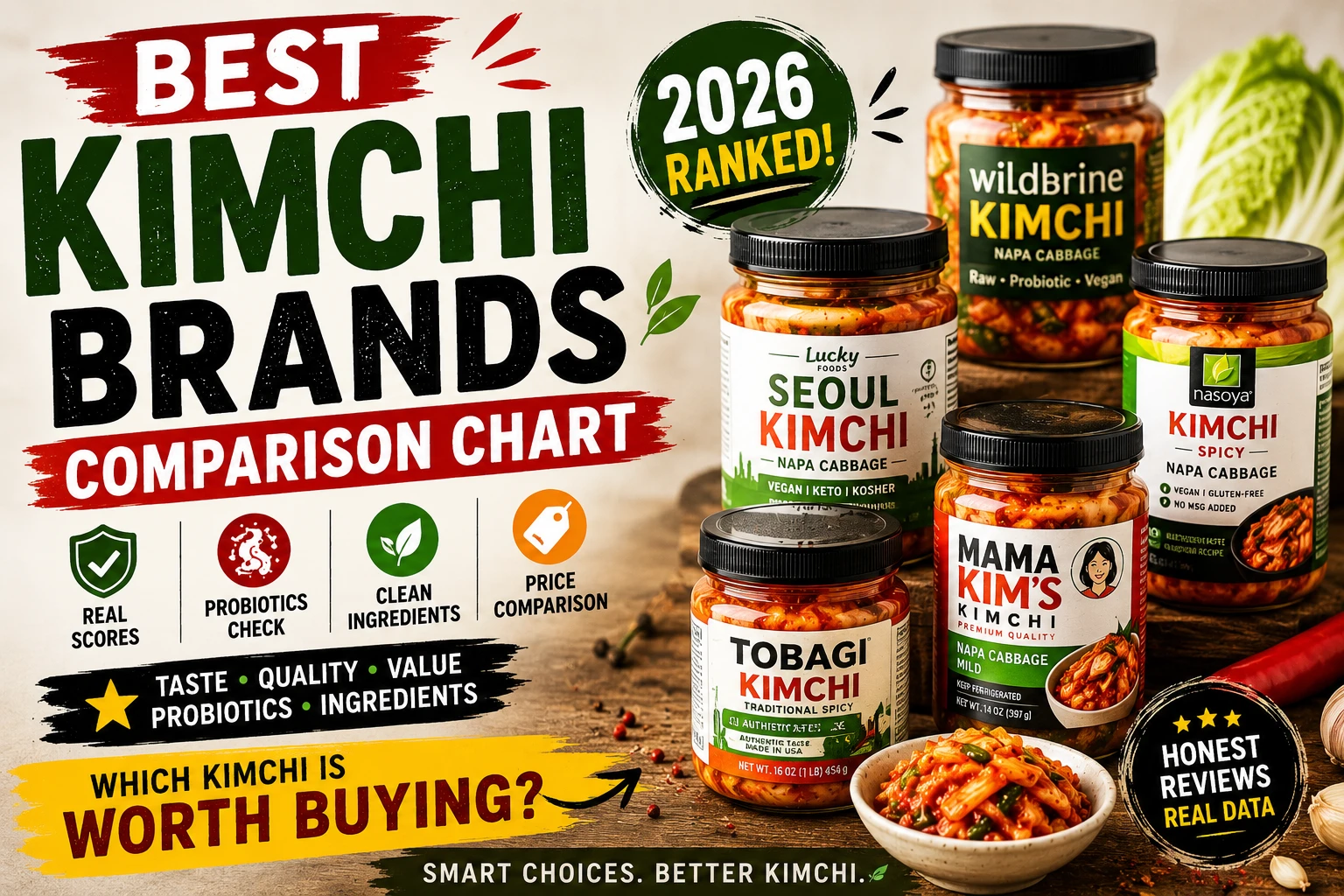
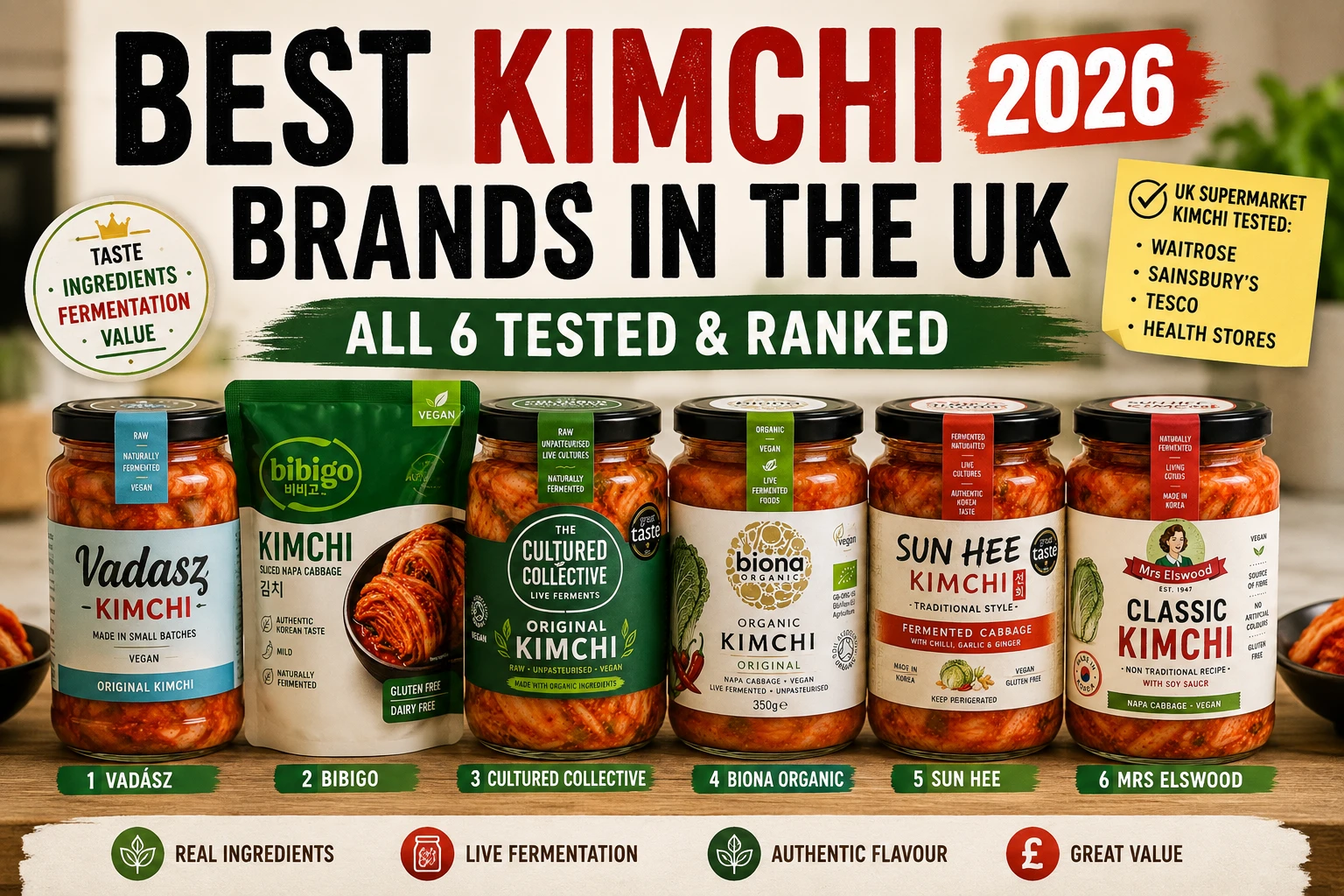
Every recipe on this page works fine with store-bought kimchi — plenty of readers cook from a jar, not a crock. Here’s where to find a good one.
Fermentation Stages, and Which One to Use Where
The single most common mistake I see: cooking with fresh kimchi where the dish actually needs an aged one. Full breakdown in the fermentation stages guide.
| Stage | Age | Best for |
|---|---|---|
| Fresh | 0–3 days | Wraps, raw eating, salads |
| Young | 1–2 weeks | Pancakes, grilled cheese, bibimbap |
| Ripe | 2–6 weeks | Fried rice, jjigae, noodles, kimchi pancake |
| Over-ripe | 6+ weeks | Slow-cooked jjigae, braised pork, kimchi pancake |
Kimchi Recipes — FAQ
Base kimchi first if you don’t have any yet — see the quick version above or the full step-by-step guide — then classic kimchi fried rice. It’s the most forgiving recipe on this site and the one most readers make first.
Store-bought works fine for every recipe here — see the brand guide for which ones hold up best in cooking versus eating raw.
Fermentation builds the sour, funky depth that dishes like jjigae, fried rice, and kimchi pancake are built around. Fresh kimchi is milder and works better raw or in quick dishes like slaw. See the fermentation stage table above.
New recipes go up most weeks. Everything is organized by category as it’s added, so this page stays current rather than becoming a flat, unsorted list.
Kimchi fried rice is stir-fried rice with kimchi mixed through it. Kimchi pancake (kimchijeon) is a completely different dish — chopped kimchi folded into a flour-and-starch batter and pan-fried flat, more like a savory crepe than a rice dish. Both are classic ways to use up kimchi, but they don’t share a cooking method.
Kimchi jjigae and kimchi pancake are the two classic answers to sour, over-fermented kimchi — both are built around that deeper, tangier flavor and need little extra seasoning when the kimchi is well aged. Fried rice also works well with kimchi in this range.
Kimchi pancake is the quickest at about 20 minutes total, with no fermentation step required beyond the kimchi you already have. Fried rice and quick kimchi slaw are close behind.
It keeps the fiber and probiotic benefits of the kimchi itself, but frying with oil and rice adds calories a spoonful of plain kimchi doesn’t have — reasonable as a regular meal in moderation, similar to any stir-fried rice dish. Portion size and oil quantity are the two biggest levers if you’re watching either.