Gochugaru vs Gochujang: Which One Does Your Recipe Actually Need?
Same red Korean chili, two completely different jobs. Skip the encyclopedia entry — use the decision tool below to find out which one your dish actually needs, then check the full science if you want it.


Gochugaru vs Gochujang: 5 Facts to Know
- Same pepper, different process. Both start from Korean red chili (taeyangcho). Gochugaru is that chili dried and ground; gochujang is gochugaru fermented with glutinous rice, meju (fermented soybean) powder, barley malt and salt.
- Pick by dish type. Use gochugaru for kimchi, dry seasoning, and heat without added moisture. Use gochujang for sauces, marinades, bibimbap and stew bases.
- Don’t swap 1:1. Gochujang adds moisture, sweetness and salt (roughly 5–13% salt by weight, depending on the source); gochugaru is just dried chili and adds none of these.
- Heat differs. Gochugaru is typically about 1,500–10,000 Scoville Heat Units (SHU); gochujang is commonly cited at under about 1,000 SHU because rice, soybean, malt and water dilute the chili.
- Most Korean cooks keep both. Kimchi is the one dish where substituting one for the other basically fails.
Gochugaru vs Gochujang in One Sentence
Gochugaru (고춧가루) is dried, ground Korean red chili; gochujang (고추장) is a fermented paste made from gochugaru plus glutinous rice, fermented soybean (meju) powder, barley malt and salt. Gochugaru is dry, adds heat and color, and is essential for kimchi. Gochujang is wet, adds sweetness, umami and body, and is the base for sauces, marinades and stews such as bibimbap sauce, tteokbokki and gochujang mayo. They start from the same pepper (taeyangcho) but do different jobs, so they are not interchangeable 1:1.
- Making kimchi or a kimchi-style paste
- Seasoning a stew or broth without adding moisture
- Sprinkling a dry, colorful finish on banchan or namul
- Making a dry marinade rub for meat
- Want heat + color without thickening a sauce
- Making a sauce, dip, or mayo (like gochujang mayo)
- Marinating meat and want it to penetrate and glaze
- Making bibimbap, tteokbokki, or a stew base
- Want built-in umami, sweetness and body, not just heat
- Cooking something that benefits from a fermented depth
What Is the Difference Between Gochugaru and Gochujang?
Gochugaru is a dry, single-ingredient chili powder; gochujang is a wet, multi-ingredient fermented paste. Both start from the same Korean red chili pepper (taeyangcho), but gochujang adds glutinous rice, fermented soybean powder, barley malt and salt and is fermented and aged, so it tastes sweet, savory and umami rather than purely spicy.

Sun-dried Korean red chili, ground fine or coarse. No fermentation, no other ingredients — just dried pepper. Fine grind for kimchi paste; coarse for garnish. See the full Gochugaru Guide →

Gochugaru combined with glutinous rice, meju (fermented soybean) powder, barley malt and salt, then fermented and aged into a thick, sweet-savory paste. See the Gochujang Mayo Guide → for it in action.
| Trait | Gochugaru | Gochujang |
|---|---|---|
| Form | Dry powder or flake | Thick, sticky paste |
| Fermented? | No | Yes — months in traditional versions; a faster koji-based process in factory-made ones |
| Made from | Just dried chili peppers | Gochugaru + glutinous rice + meju (fermented soybean) powder + barley malt + salt |
| Flavor | Sharp, fruity, direct heat | Sweet, savory, umami, heat builds slowly |
| Typical Scoville range | ~1,500-10,000 SHU | Under ~1,000 SHU (commonly cited; varies by brand) |
| Adds moisture to a dish? | No | Yes — significantly |
| Shelf life | Months to years (dry) | Months once opened (moist, refrigerated) |
| Core job | Season, color, preserve | Build a sauce, marinade or stew base |
By Dish: Which One Do Real Recipes Use?
Forget definitions — here’s what actual dishes call for, including where KimchiGuide’s own recipes land.
| Dish | Uses | Why |
|---|---|---|
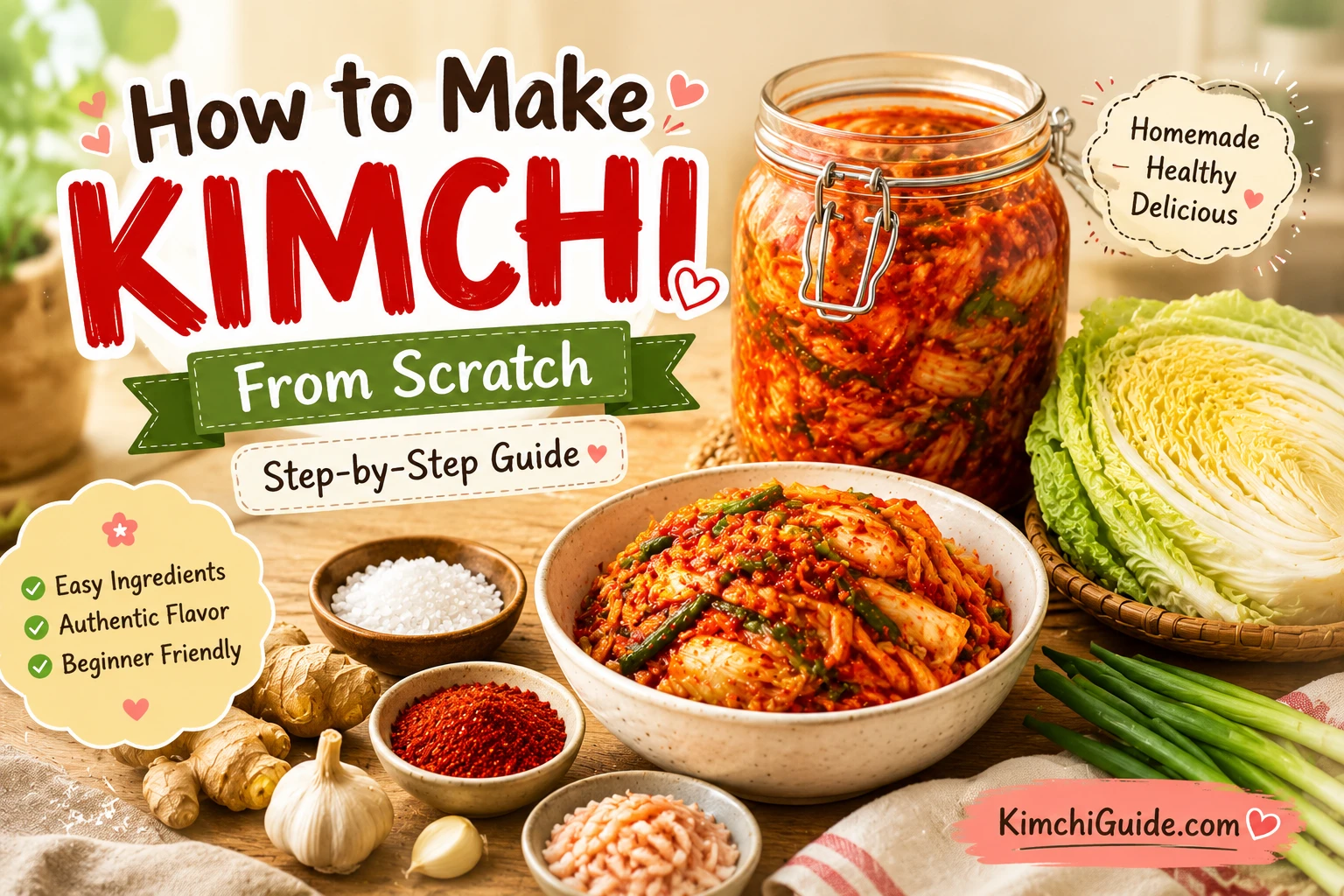
| Kimchi | Gochugaru | Dry seasoning blends into the paste without adding unwanted moisture or sweetness that would disrupt fermentation. See How to Make Kimchi → |
| Bibimbap sauce | Gochujang | Needs a thick, saucy texture to coat rice and vegetables — gochugaru alone can’t provide body. |
| Tteokbokki | Both | Gochujang builds the sauce base; gochugaru is often added for extra color and sharper heat. |
| Gochujang mayo | Gochujang | The fermented paste is what gives it umami depth — gochugaru would just add dry heat with no body. See the recipe → |
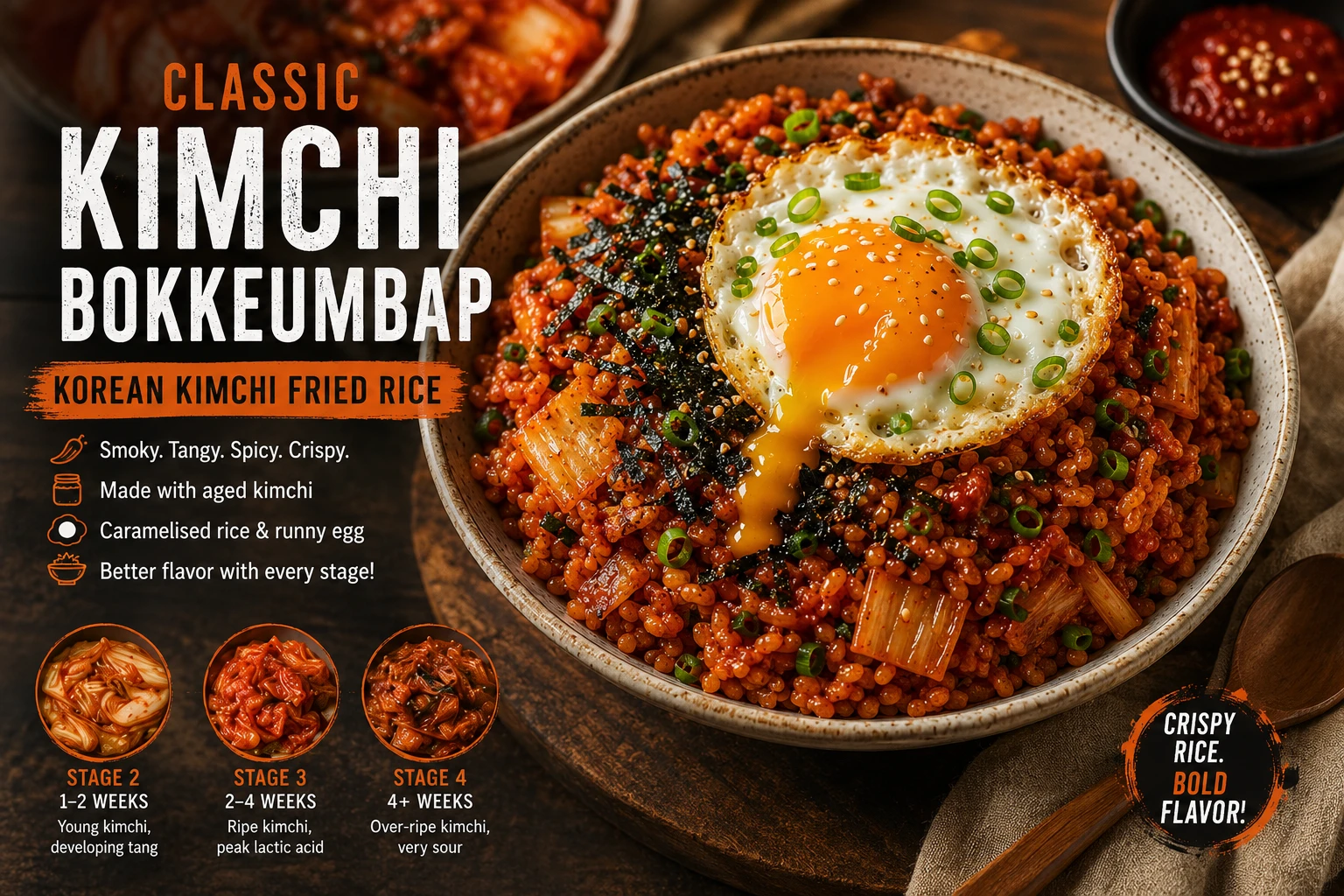
| Kimchi fried rice | Gochugaru (via the kimchi) | The heat comes from the aged kimchi itself, which was seasoned with gochugaru. See Classic Kimchi Fried Rice → |
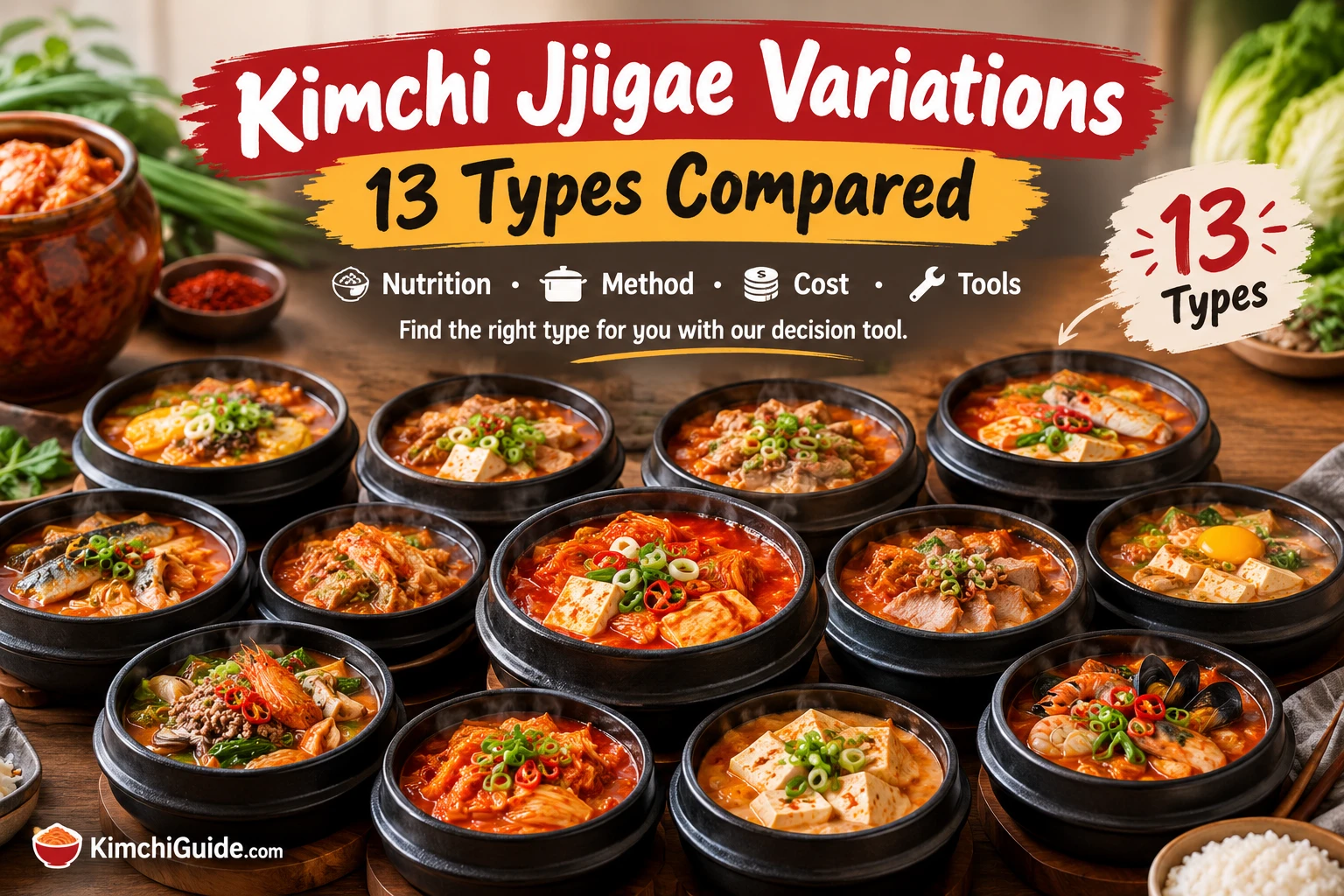
| Kimchi jjigae (stew) | Both | Gochugaru for color/heat in the broth, often a spoon of gochujang for rounder body. See Kimchi Jjigae Hub → |
| Bulgogi / galbi marinade | Gochujang (for spicy versions) | A wet marinade needs a paste that clings to and penetrates the meat, plus sweetness that helps it caramelize. |
| Kimchi pancakes (kimchijeon) | Gochugaru (via the kimchi) | Same logic as fried rice — heat comes from the kimchi, not an added paste. See Kimchi Pancakes → |
| Namul (seasoned vegetable sides) | Gochugaru | A light dry sprinkle adds color and heat without wetting down crisp, quick-blanched vegetables. |
| Ssamjang (dipping sauce) | Gochujang (mixed with doenjang) | A scoopable dipping sauce needs paste consistency, not dry flakes. |
| Kimchi burger sauce | Gochujang | Same logic as gochujang mayo — needs body and umami, not just heat. See All Kimchi Burgers → |
Can I Substitute One for the Other?
Short answer: not directly, not 1:1 — but here’s what actually happens if you try, and what to do instead.
Which Is Spicier? Scoville Compared
Gram for gram, gochugaru usually wins on raw heat — gochujang’s fermentation and other ingredients dilute and mellow its spiciness.
This is why gochujang reads as “flavorful” rather than “hot” even though it’s genuinely spicy on paper — most of what you taste is fermented umami and natural sweetness from the rice and soybean, not raw capsaicin. Full breakdown with more pepper comparisons: Gochugaru’s Scoville Scale section →.
Scoville figures are published estimates and vary by brand, harvest and testing method; pastes like gochujang are not routinely lab-tested, so treat the gochujang number as a commonly cited approximation. See the sources below.
Are Gochugaru and Gochujang Made From the Same Pepper?
Yes. Both start from Korean red chili peppers (taeyangcho). Gochugaru is that pepper dried and ground; gochujang is made from gochugaru fermented with glutinous rice, meju (fermented soybean) powder, barley malt and salt. Understanding that process explains every other difference on this page.

| Step | Gochugaru’s Journey | Gochujang’s Journey |
|---|---|---|
| 1. Start | Taeyangcho (Korean red chili pepper), sun-dried | |
| 2. Process | Deseeded, ground fine or coarse | Ground into gochugaru first, same as the left column |
| 3. Added ingredients | None | Glutinous rice, meju (fermented soybean) powder, barley malt powder, salt |
| 4. Time | Ready once dried and ground | Traditional: fermented and aged for months (sometimes years) in earthenware. Factory-made: started with koji (cultured Aspergillus oryzae) and aged for a shorter time |
| 5. Result | Dry, sharp, direct chili flavor | Thick, sweet-savory-umami paste |
What Is Actually Inside Gochujang? (Typical Traditional Composition)
| Ingredient | Typical share | What it contributes |
|---|---|---|
| Red chili powder (gochugaru) | ~25% | Heat, red color, fruity chili flavor |
| Glutinous rice | ~22% | Natural sweetness (starch converts to sugar) and sticky body |
| Meju (fermented soybean) powder | ~5.5% | Umami from amino acids released during fermentation |
| Salt | ~13% | Preservation and seasoning |
| Barley malt powder (yeotgireum) | ~5% | Enzymes that help convert starch to sugar; adds sweetness |
| Water | ~29% | Paste consistency |
Typical proportions as reported on Wikipedia’s Gochujang entry; individual recipes and brands vary. A peer-reviewed rat-model study that measured gochujang’s salt reported 5–11% salt, and 8.72% in the sample it used — so treat salt as roughly 5–13% depending on the product. Only about a quarter of the paste is chili powder, which is one reason gochujang reads milder than gochugaru.
Do I Need Both in My Pantry?
If you cook Korean food more than occasionally — yes. They don’t compete for the same job.
| Attribute | Gochugaru | Gochujang |
|---|---|---|
| Where to keep it | Airtight container, fridge or freezer for longest life | Refrigerated after opening, in the original tub or an airtight container |
| How long it lasts | 4-6 months pantry, 1-3 years refrigerated/frozen | Several months to about a year once opened, refrigerated |
| Buy it in bulk? | Yes, if you make kimchi regularly — it keeps well | Less necessary — a standard tub lasts a long time in typical use |
Recipes That Use Each One
Rather than take our word for it, see exactly where each ingredient shows up.
Built on Gochugaru
Built on Gochujang
Use Both
Gochugaru and Gochujang Glossary
Gochugaru vs Gochujang FAQ
Gochugaru is dried, ground Korean red chili with nothing added, while gochujang is a thick fermented paste made from gochugaru plus glutinous rice, meju (fermented soybean) powder, barley malt and salt.
Not directly, and not 1:1. Gochujang is a wet, fermented, salty-sweet paste — using it in place of dry gochugaru adds moisture, salt, and sugar you didn’t plan for. It can work in a pinch for a stew or marinade if you cut back other liquid and salt, but it will not work for kimchi paste or as a dry seasoning rub.
No, not as a direct swap. Gochugaru brings heat and color but none of gochujang’s fermented umami, sweetness, or thick, sauce-like body. A common workaround is blending gochugaru with a little miso or doenjang and a touch of sweetener, but it won’t be identical.
If you cook Korean food regularly, yes — they cover different jobs. Gochugaru is essential for kimchi and as a seasoning; gochujang is essential for sauces, marinades, and stew bases. Neither substitutes well for the other in its core use case.
Gram for gram, gochugaru is usually the hotter of the two. Most gochugaru sits around 1,500-10,000 Scoville Heat Units depending on variety, while commercial gochujang is typically milder, commonly cited at under about 1,000 SHU, since added rice, soybean, malt and water dilute the chili.
Gochugaru. Traditional kimchi paste is built from gochugaru, garlic, ginger, fish sauce or salted shrimp, and sugar — gochujang isn’t a standard kimchi ingredient because its moisture and sweetness would throw off both flavor and fermentation.
Most tteokbokki sauce uses both — gochujang as the sauce’s savory-sweet base and gochugaru added alongside it to boost color and heat without thinning the sauce further.
Gochujang, usually served on the side or stirred through as the finishing sauce. Gochugaru isn’t typically added directly, since bibimbap relies on gochujang’s thick, saucy texture to coat the rice and vegetables.
Yes, both typically start from the same Korean red chili pepper (taeyangcho). Gochugaru is that pepper simply dried and ground. Gochujang starts with gochugaru and ferments it further with glutinous rice, fermented soybean powder, and salt.
Not exactly — gochujang uses gochugaru as one ingredient among several. It also needs glutinous rice, fermented soybean powder for umami, and salt, all fermented together for months. Gochugaru fermented on its own does not become gochujang.
Yes, in principle — traditional recipes start with gochugaru combined with glutinous rice, meju, and salt, then fermented for months. It’s a genuine project, not a quick swap, and most home cooks buy gochujang ready-made instead.
Using gochujang where gochugaru was called for usually makes a dish too wet, too salty, and too sweet, while missing gochugaru’s sharp, dry heat. Using gochugaru where gochujang was called for leaves a dish thin and one-dimensionally spicy, missing the fermented umami and body gochujang supplies.
Typically both — gochugaru for color and heat in the broth, and often a small spoon of gochujang for extra body and a rounder, less sharp spiciness, especially in milder versions of the stew.
Gochugaru, as a dried product, generally lasts longer in the pantry (4-6 months at room temperature, 1-3 years refrigerated or frozen) than gochujang, which as a moist paste has a shorter fridge life once opened.
Buy gochugaru first if you plan to make kimchi, and gochujang first if you plan to make sauces, marinades, or dishes like bibimbap and tteokbokki. Most Korean home cooks eventually keep both, since they cover different, non-overlapping jobs.
Not necessarily. Traditional gochujang includes barley malt (yeotgireum), which contains gluten, and some brands add wheat, so check the label if you need gluten-free. Gochugaru on its own is just dried chili and is naturally gluten-free, but check the bag for additives.
No. Gochugaru is typically made from seedless Korean red chili and usually measures about 1,500-10,000 SHU with a fruity, lightly smoky flavor. Crushed red pepper flakes are usually cayenne-based and commonly cited at 30,000-50,000 SHU, and American chili powder is a spice blend that includes cumin and garlic. See the Gochugaru Guide for substitutions.
Go Deeper on Either Ingredient
Heat levels, Scoville scale, fine vs coarse, brands & where to buy.
The master 3:1 ratio, science, and every way to use it.
Why gochugaru’s dry form matters so much to fermentation.
See gochugaru at work in a full kimchi recipe.
Every Korean pantry ingredient and kitchen guide on the site, in one place.
Sources & How We Checked This Page
Numbers and definitions on this page come from the published sources below. Cooking guidance (which ingredient to use in which dish, and how to substitute) comes from Ji-Young Park’s own kitchen experience.
- Gochujang — Wikipedia: ingredients, typical composition by weight (about 25% chili powder, 22% glutinous rice, 5.5% meju powder, 12.8% salt, 5% malt, 29% water).
- Korean chili pepper — Wikipedia: gochugaru definition and etymology; in English usually the seedless Korean variety.
- Protective Effect of Gochujang on Inflammation in a DSS-Induced Colitis Rat Model (NCBI/PMC): reports gochujang salt content of 5–11% (8.72% in the sample used).
- What Is Gochugaru? — PepperScale: gochugaru heat range of about 1,500–10,000 SHU; deseeded peppers; deolmaewoon/maewoon grades.
- How Spicy Is Gochugaru? — Taste Korean Food: gochugaru 1,500–10,000 SHU; gochujang rated under 1,000 SHU.
- Gochugaru vs. Gochujang — MasterClass: both come from taeyangcho pepper; gochujang is fermented and gochugaru is not.
Was this guide helpful?
Your feedback helps us improve KimchiGuide for everyone.