Is Cleveland Kitchen Kimchi Good? The Full Review — Vegan, Kosher & Mainstream (2026)
A standalone deep-dive on the kimchi brand quietly showing up in Target and Kroger’s produce aisle — real taste notes, the vegan/Kosher story most content misses, who actually makes it (hint: it’s not Korea), nutrition, and honest safety notes.
Is Cleveland Kitchen Kimchi Good?
Yes, for what it is — a genuinely well-made, accessible everyday choice. In our 18-brand blind taste test, Cleveland Kitchen scored 7.8 out of 10: real, live fermentation, a thick crunchy cut, and the kind of easy mainstream availability (Target, Kroger, Walmart) that most Korean-import brands can’t match. What sets it apart isn’t authenticity — it’s milder and less funky than Jongga or Cosmos — but two things most kimchi content misses entirely: it’s genuinely vegan (no fish sauce) and Kosher Certified (OU), and it’s made not in Korea but in Cleveland, Ohio, by a company that started as a sauerkraut side hustle in 2014. If you want the most traditional flavor available, look elsewhere. If you want real fermentation you can grab at a normal grocery run, this is one of the better options on the market.
Cleveland Kitchen Kimchi — At a Glance
Here’s what actually matters before you decide whether to put a pouch in your cart.
- Taste: mild-to-medium, crunchy, less funky than Korean-import brands.
- Made by: Cleveland Kitchen, an Ohio company founded in 2014 (originally Cleveland Kraut).
- Vegan & Kosher: confirmed — no fish sauce, Kosher Certified (OU), Gluten-Free, Non-GMO.
- Nutrition: ~15 kcal per 1/4 cup, ~290mg sodium — genuinely light.
- Availability: Target, Kroger, Walmart — one of the widest mainstream footprints of any brand tested.
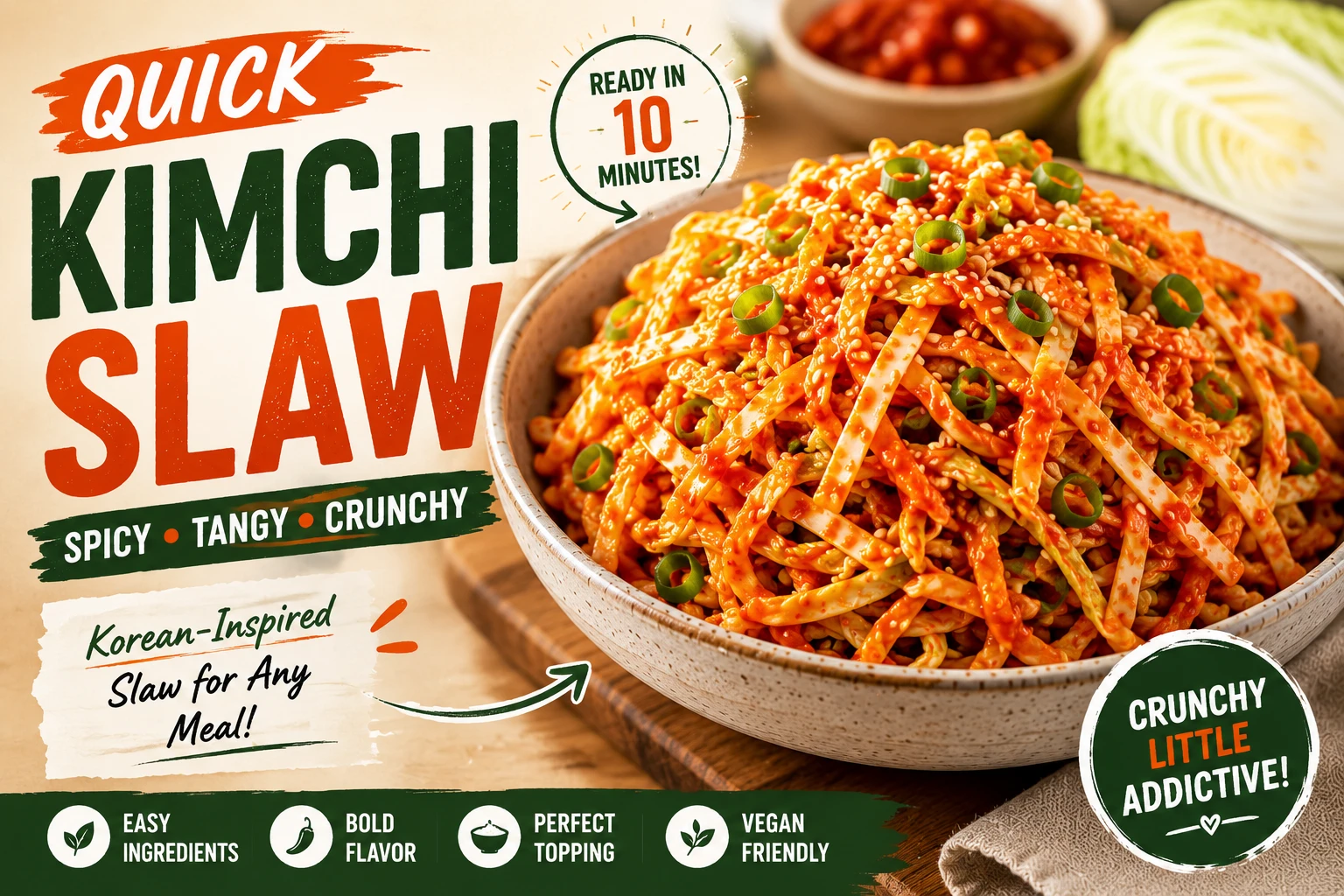
- 2026 news: the company launched a Korean Coleslaw in April 2026, expanding beyond kimchi.
Cleveland Kitchen Kimchi — Product Overview & Scorecard
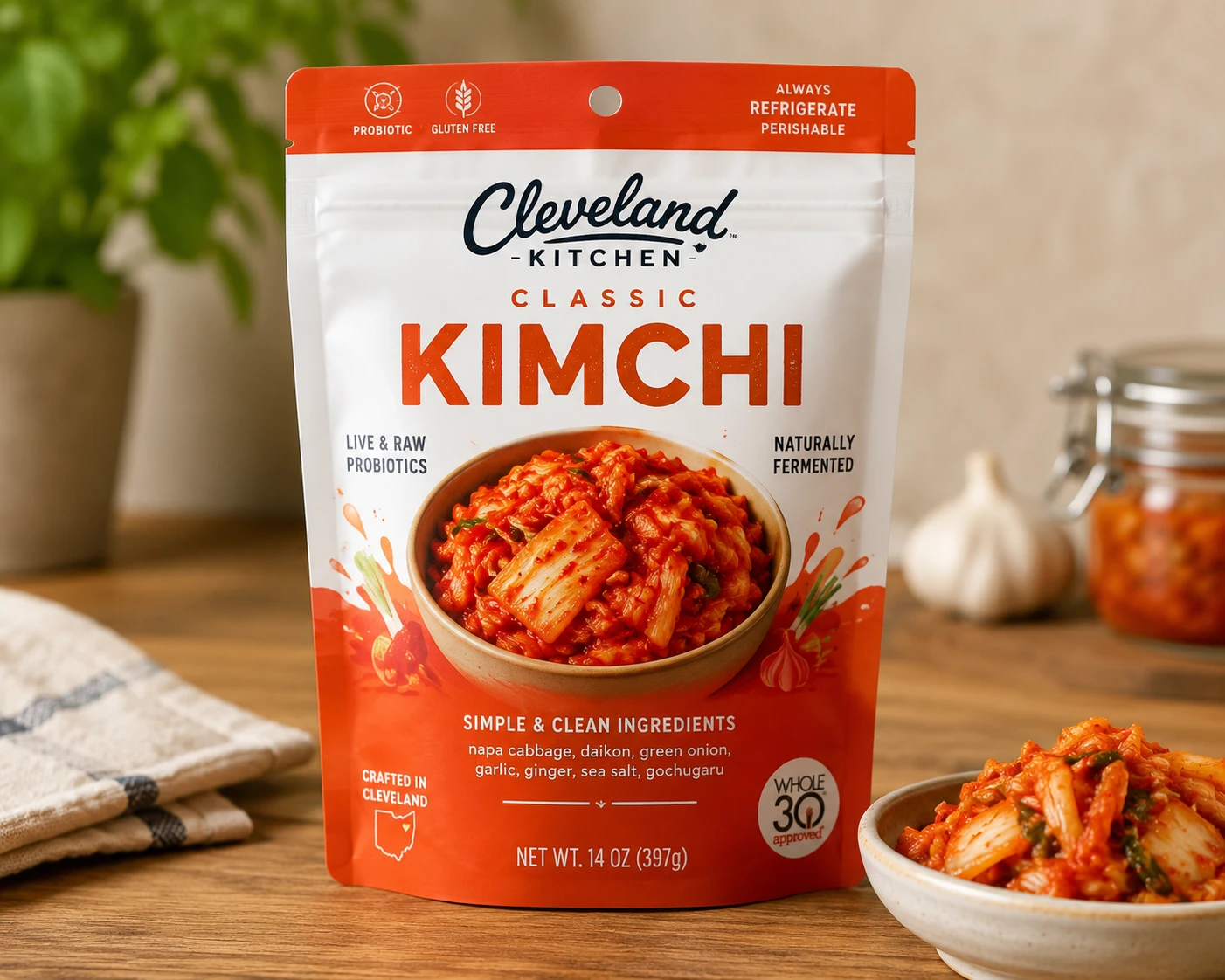
Here’s how Cleveland Kitchen scored across our core taste-test criteria, from the same 18-brand blind test used for our full brand ranking.
Who Makes Cleveland Kitchen Kimchi? The Company Story
Every other brand in our top rankings is either Korean-made or a Korean-American manufacturer. Cleveland Kitchen is a genuinely different story, and it explains a lot about the product.
Cleveland Kitchen was founded in 2014 — not as a kimchi company, but as Cleveland Kraut, a sauerkraut brand started by three Midwestern brothers-in-law: Drew Anderson, Mac Anderson, and Luke Visnic. The trio began fermenting sauerkraut at home and selling it at local farmers markets as a side hustle while still working day jobs — sometimes cooking into the early hours of the morning. By 2016, sales had grown enough that all three quit their jobs to run the company full-time.
As the brand expanded beyond sauerkraut into kimchi, pickles, and salad dressings, the company rebranded from Cleveland Kraut to Cleveland Kitchen to reflect its broader “fresh fermented foods” identity. In June 2022, the company closed a $19 million Series A funding round led by investment firm Amberstone, using part of the funding to acquire Sonoma Brinery, a California-based pickle and sauerkraut manufacturer — a move that added West Coast production capacity and “proprietary fermentation science” to the company’s operations, according to the company’s own statement at the time.
Today, Cleveland Kitchen operates a roughly 65,000-square-foot production facility in Cleveland, Ohio, and describes itself as “America’s #1 fresh-fermented foods brand,” with products sold in over 15,000 stores nationwide as of 2026. That’s a genuinely different growth story from the Korean-import brands elsewhere in this ranking — Cleveland Kitchen built its business from a Midwest farmers-market stall into national mainstream distribution in roughly a decade, rather than exporting an already-established Korean product line internationally.

Cleveland Kitchen’s own product description states its kimchi was “created in collaboration with local Korean chefs” — a genuine attempt at cross-cultural authenticity, even though the finished product reads milder than an imported jar. This is a meaningfully different approach than simply Americanizing a recipe in-house.
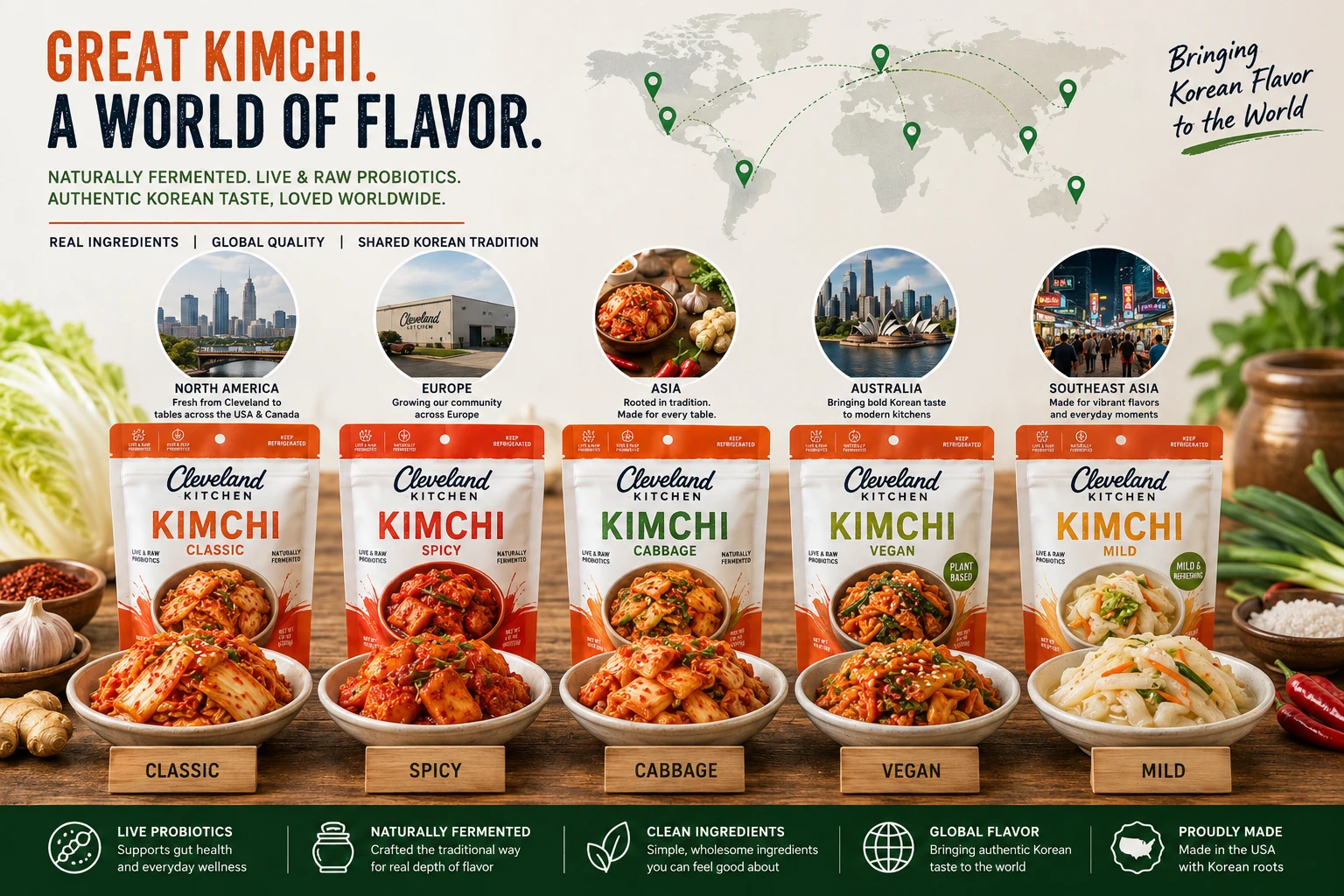
Because Cleveland Kitchen’s whole business model is selling fermented foods to mainstream American shoppers — not Korean-diaspora shoppers specifically — its kimchi is genuinely engineered for easy, everyday accessibility: mild heat, resealable pouches, and shelf placement in the regular produce or refrigerated aisle rather than an international foods section.
Cleveland Kitchen in 2026 — What’s New
The company has kept expanding its fermented-foods lineup well beyond kimchi.
Key Terms — Cleveland Kitchen & Fermentation Entities
These terms explain what’s actually behind Cleveland Kitchen’s specific claims and certifications.
Taste & Texture — What Reviewers Actually Say
Reviewer sentiment is largely positive, with a consistent theme: approachable rather than intense.
The most common thread across independent customer reviews is genuine surprise at how well-balanced the flavor is for a mainstream, widely distributed product. One Walmart reviewer specifically noted: “I’m used to real Korean kimchi. However, this is absolutely delicious. It’s mild and seasoned perfectly… not too much chili powder to make it bitter or too much red pepper to make it too hot.” Another reviewer highlighted how the milder profile worked for a whole family with mixed spice tolerance: “A lot of times kimchi that is traditionally made won’t be able to please my whole family’s tastes… this pleased everyone, from the shy eaters to the kimchi connoisseur.”
Texture reviews are mixed but generally positive — the cabbage is described as thick-cut and crunchy, though at least one reviewer specifically noted preferring even larger pieces for cooking rather than the pre-chopped format. A smaller number of reviews mention the vinegar note being a bit strong for their taste, and one reviewer who has tried “most of the products by Cleveland Kitchen” (pickles, onions, jalapeños) specifically singled out the kimchi as their least favorite item in the lineup, even while praising the rest of the brand’s products. That kind of specific, comparative feedback is useful — it suggests the kimchi is solid but not the standout item in an otherwise well-regarded product range.
Real Ingredients — Vegan & Kosher, Explained
This is the single most important correction in this review: Cleveland Kitchen kimchi is genuinely vegan and Kosher-certified — several kimchi-brand roundups online (including an earlier version of our own brand hub) incorrectly list it as “traditional recipe, check label” alongside fish-sauce-based brands.
| Attribute | Cleveland Kitchen Kimchi |
|---|---|
| Fish sauce / shrimp paste | ❌ Not used — genuinely vegan formulation |
| Vegan | ✅ Confirmed |
| Kosher Certified | ✅ OU (Orthodox Union) certified |
| Gluten-Free | ✅ Labeled gluten-free |
| Non-GMO Project Verified | ✅ Certified |
| Full ingredient list | Cabbage, garlic, apple, mustard greens, salt, carrot, green onions, sugar, Korean red pepper, ginger |
| Live cultures | Marketed as “Gut Happy Live Cultures™” — at least 100,000,000 CFU per serving at time of packing, per the brand’s own label claim |
| Pasteurized? | ❌ No — packaged raw and unpasteurized, live cultures |
This vegan-by-default approach is a genuine point of differentiation. Among the brands in KimchiGuide’s full 18-brand ranking, most traditional-style options — including our top two picks, Jongga and Cosmos — use fish sauce or shrimp paste in their standard line, requiring vegan shoppers to specifically seek out a separate labeled version. Cleveland Kitchen simply doesn’t have that split: the standard retail kimchi is vegan across the board, which meaningfully simplifies shopping for plant-based households who don’t want to cross-check ingredient panels every time. See our Halal & Kosher kimchi brands guide for how Cleveland Kitchen’s OU certification compares to other dietary-certified options across the category, and our pasteurized vs. live-culture kimchi guide for more on what a specific CFU count claim like Cleveland Kitchen’s actually means.
Cleveland Kitchen Kimchi Nutrition Facts
Genuinely light, consistent with kimchi generally, and toward the lower end of sodium in KimchiGuide’s full brand comparison. Figures below are per the standard 1oz (28g) serving size shown on the current nutrition panel — a more precise basis than the approximate “1/4 cup” figure used in earlier coverage.
| Nutrient | Per 1oz (28g) Serving |
|---|---|
| Calories | 10 kcal |
| Sodium | 290mg |
| Total Carbohydrate | 3g |
| Sugar | 2g (1g added) |
| Fiber | 1g |
| Potassium | 49mg |
| Calcium | 12mg |
The 290mg sodium figure holds up precisely against the exact retail nutrition panel, confirming what earlier coverage estimated. The brand also makes a specific, verifiable probiotic claim on its packaging — marketed as “Gut Happy Live Cultures™,” with at least 100,000,000 CFU (colony-forming units) per serving at time of packing — a more concrete number than most competitors publish, and worth knowing if you’re comparing probiotic content across brands rather than just taking “naturally fermented” at face value.
Compared to the other 18 brands in KimchiGuide’s full ranking, Cleveland Kitchen’s sodium content sits toward the lower-middle of the pack — noticeably lighter than higher-sodium options like Mama Kim’s (420mg) or Nasoya (400mg) per equivalent serving, though not quite as low as the lightest brands tested (Olive My Pickle at 250mg). No kimchi is genuinely “low sodium,” since salt is a functional part of safe fermentation, but this is a reasonable middle-ground option if sodium is a moderate concern rather than a strict limit.
Safety & Quality Notes
Since people specifically search for this, here’s what’s publicly documented — presented factually, without exaggeration.
Is Cleveland Kitchen Good for Cooking, or Best Eaten Raw?
Both, with a small adjustment worth knowing if you’re cooking with it.
Because Cleveland Kitchen’s flavor is milder than more aggressively fermented brands, it works well straight from the pouch as a side dish (banchan), and its resealable packaging makes it genuinely convenient for that use case — several customer reviews specifically mention using it “straight from the bag” on eggs, hot dogs, or rice bowls. For cooking into dishes like kimchi fried rice or kimchi jjigae, its milder base benefits from a bit of extra gochujang or reserved kimchi juice to reach a deeper, more restaurant-style flavor, since cooking mutes flavor intensity further. It also works well folded into a quick kimchi ramen if you want something faster than a full stew. One reviewer specifically noted preferring larger, thicker-cut cabbage pieces for cooking rather than the standard pre-chopped format — worth keeping in mind if cooking is your primary use case.
Availability & Price
This is one of Cleveland Kitchen’s clearest strengths against more traditional, harder-to-find brands — and unlike Cosmos or Trader Joe’s, both covered elsewhere in this cluster, Cleveland Kitchen genuinely does sell reliably on Amazon.
| Retail Channel | Availability |
|---|---|
| Target | ✓ Widely stocked |
| Kroger | ✓ Widely stocked |
| Walmart | ✓ Widely stocked |
| Publix | ✓ Regionally available |
| Amazon | ✓ Available — Classic 16oz jar · Classic 6-pack · Mild 6-pack |
Cleveland Kitchen kimchi typically costs around $9-10 for a 16oz resealable pouch (roughly 60-65 cents per ounce) based on current retail listings — a fair mid-range price point given the mainstream availability and certifications. It’s sold in two versions, Mild and Classic, both in the same pouch format. Because the company states its products are in over 15,000 stores nationwide, it’s genuinely one of the easiest naturally-fermented kimchi brands to find without a special trip to a Korean grocery store — and if you’d rather order online, it’s one of the few brands in this cluster you actually can, reliably (see the Amazon links above). For a broader look at where to buy kimchi generally, including this and other mainstream brands, see our where-to-buy kimchi guide.
How We Tested Cleveland Kitchen
This review draws on our broader 18-brand blind taste test, cross-referenced against a dedicated re-taste of Cleveland Kitchen specifically.
Related Guides
Naturally connected reading if you’re deciding on Cleveland Kitchen or want to put a pouch to use.


Is Cleveland Kitchen Kimchi Good? FAQ — 26 Questions
Yes, for most everyday eaters. In our blind taste test, Cleveland Kitchen scored 7.8/10 — genuinely live-fermented with real probiotic activity, sold at mainstream grocery stores where fermented food used to be hard to find. It’s milder and less complex than Korean-import brands like Jongga, but a strong, accessible everyday choice.
Cleveland Kitchen kimchi is made by Cleveland Kitchen, a company founded in 2014 as Cleveland Kraut by brothers Drew and Mac Anderson and their brother-in-law Luke Visnic. It started at farmers markets in Cleveland, Ohio, and rebranded to Cleveland Kitchen as its product range expanded beyond sauerkraut into kimchi, pickles, and dressings.
Yes. Both the Mild and Classic versions of Cleveland Kitchen kimchi are vegan — they don’t contain fish sauce or shrimp paste, unlike most traditional Korean kimchi. It’s made with garlic, greens, and red pepper for flavor instead.
Yes, Cleveland Kitchen kimchi is Kosher Certified (OU), the certification symbol from the Orthodox Union, one of the most widely recognized Kosher certifying bodies in the US. This applies to the standard retail kimchi line.
Yes, Cleveland Kitchen kimchi is labeled gluten-free on its retail packaging, in addition to being Non-GMO Project Verified.
Per the current retail label, Cleveland Kitchen kimchi is made with cabbage, garlic, apple, mustard greens, salt, carrot, green onions, sugar, Korean red pepper, and ginger. It does not contain fish sauce, shrimp paste, or MSG. Always check the current label for the complete ingredient list.
Yes. Cleveland Kitchen kimchi is packaged raw and unpasteurized, naturally fermented and sold refrigerated, which preserves live active cultures. The brand markets it as “Gut Happy Live Cultures™,” with a specific label claim of at least 100,000,000 CFU per serving at time of packing.
Cleveland Kitchen kimchi reads as milder and less funky than traditional Korean-import brands, with a thick, crunchy cabbage cut. Reviewer feedback is largely positive, with several noting it’s approachable even for people used to more traditional, pungent kimchi.
Cleveland Kitchen sells two heat levels: a Mild version aimed at first-time kimchi eaters, and a Classic version with more noticeable heat and spice, though still milder overall than many Korean-import brands.
Cleveland Kitchen kimchi typically costs around $9-10 for a 16oz resealable pouch (roughly 60-65 cents per ounce), based on current retail listings. Pricing can vary by store and region.
Cleveland Kitchen kimchi is sold at Target, Kroger, Walmart, and other mainstream grocery chains. The brand states its products are available in over 15,000 stores nationwide as of 2026.
Yes, and reliably — unlike some other brands in this comparison cluster. Cleveland Kitchen sells single 16oz jars and 6-packs of both Classic and Mild kimchi directly under the brand name on Amazon, at prices in line with in-store retail rather than a third-party markup, unlike Cosmos or Trader Joe’s.
Cleveland Kitchen kimchi is made in Cleveland, Ohio, at the company’s roughly 65,000-square-foot production facility. This is different from most other kimchi brands, which are either imported from Korea or made by Korean-American manufacturers on the West Coast.
Yes. The company launched in 2014 as Cleveland Kraut, focused on sauerkraut. As it expanded into kimchi, pickles, and dressings, it rebranded to Cleveland Kitchen to reflect the broader product range, while keeping the same founders and Cleveland, Ohio roots.
Cleveland Kitchen was founded in 2014 by three Midwestern brothers-in-law: Drew Anderson, Mac Anderson, and Luke Visnic. They started fermenting sauerkraut at home, sold it at farmers markets, and quit their day jobs in 2016 to run the company full-time.
Yes, twice. In June 2022, Cleveland Kitchen closed a $19 million Series A funding round led by Amberstone, with participation from existing investor Clover Vitality, used partly to acquire Sonoma Brinery. A smaller Series A-II round of roughly $2.9 million followed in May 2025, again involving Amberstone. One 2022 trade report also names CJ Group as a co-lead investor in the original round, though this isn’t confirmed by the company’s own press release.
Based on retail nutrition data, Cleveland Kitchen kimchi runs approximately 15 calories per 1/4 cup serving, in line with plain fermented kimchi generally, which is naturally low in calories.
Cleveland Kitchen kimchi runs on the lower end of sodium compared to other brands in KimchiGuide’s full ranking, at roughly 290mg per 1/4 cup serving. No kimchi is truly low-sodium since salt is essential to fermentation, but this is toward the lighter end of the brands tested.
We found no FDA recall specifically naming Cleveland Kitchen kimchi as of this article’s publication date. Undeclared fish allergens have caused recalls at several other, unrelated kimchi brands — useful category context, but not specific to Cleveland Kitchen, whose kimchi doesn’t contain fish sauce in the first place.
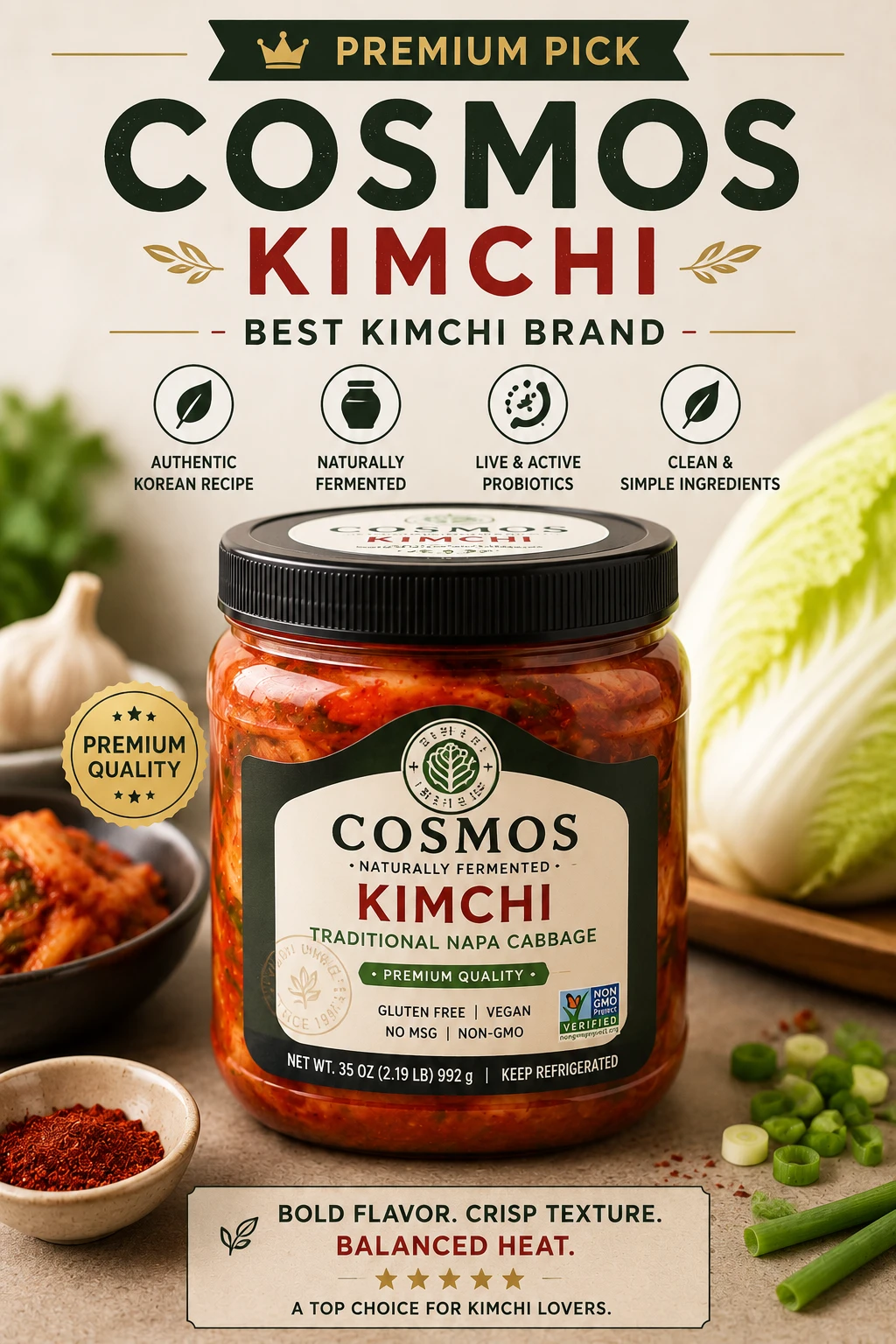
Cleveland Kitchen kimchi was developed in collaboration with local Korean chefs and uses genuine lacto-fermentation, but it’s a US-made, Americanized take on the recipe rather than an imported or traditional Korean-American product. It reads milder and less funky than more traditional brands like Jongga or Cosmos.
Yes — the Mild version in particular is specifically positioned for people trying kimchi for the first time, and its wide availability at mainstream grocery stores makes it an easy, low-commitment way to start.
Yes, though its milder base means it benefits from added gochujang or a splash of reserved kimchi juice to reach a deeper, more restaurant-style flavor. Some reviewers specifically note preferring thicker cabbage cuts for cooking use.
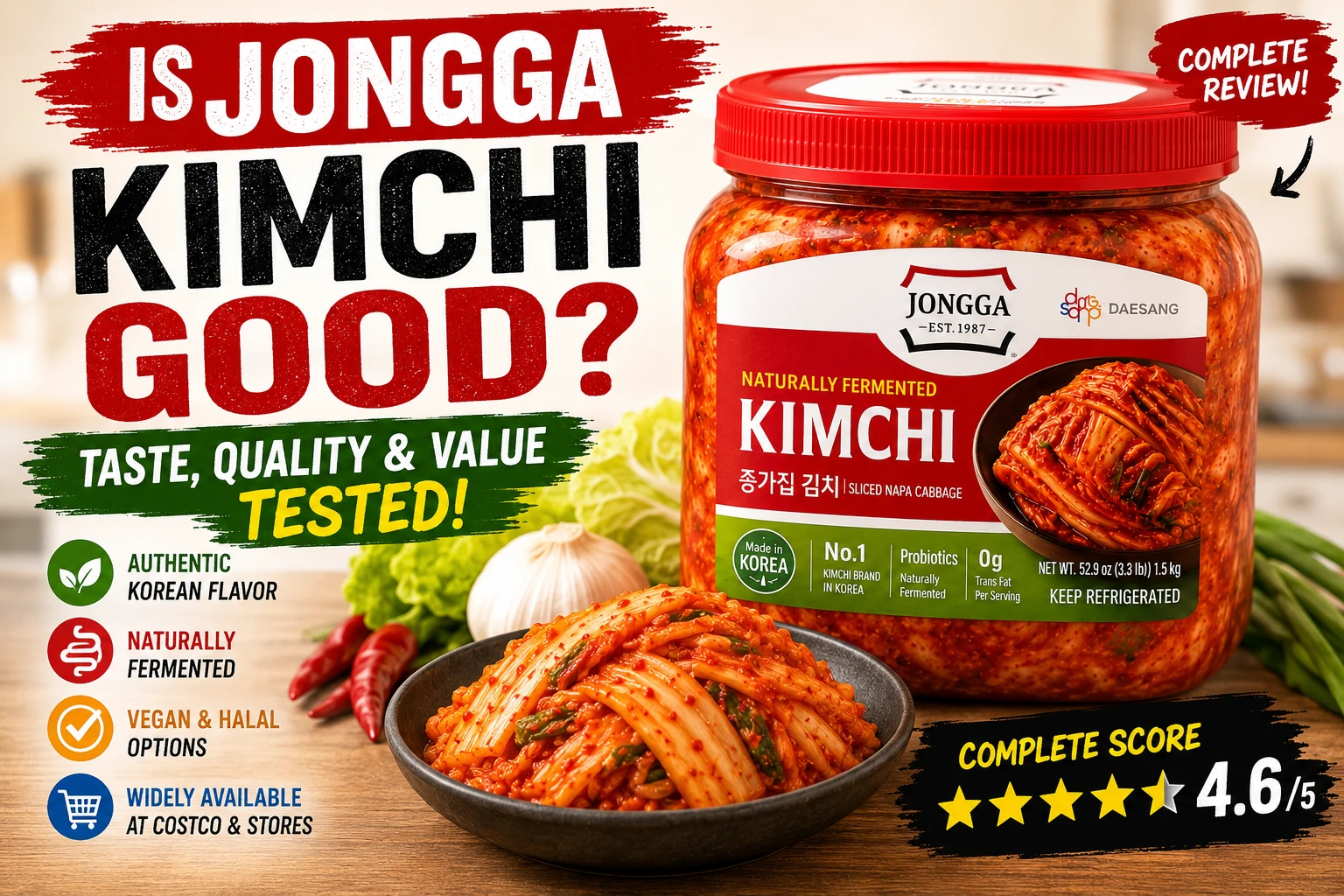
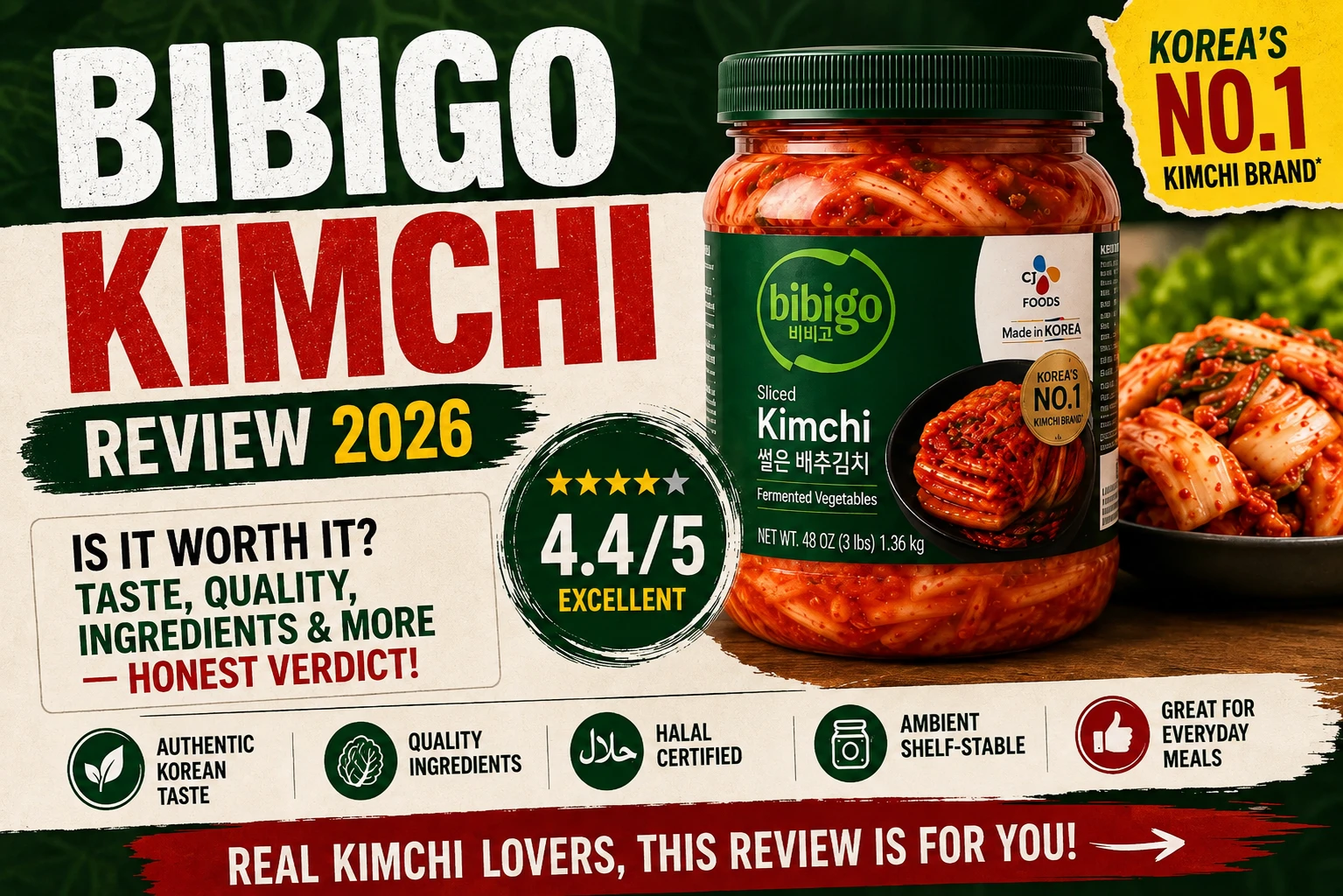
Jongga and Bibigo are both Korean-made or Korean-recipe brands with more traditional fish-sauce-based flavor profiles, while Cleveland Kitchen is a US-made, vegan alternative developed with local Korean chef input. Jongga and Cosmos score higher for authentic fermentation depth, but Cleveland Kitchen wins on vegan/Kosher certification and mainstream US availability.
Beyond kimchi, Cleveland Kitchen makes sauerkraut (its original product), pickles (following its 2022 acquisition of Sonoma Brinery), fermented salad dressings, and coleslaw — including a Korean Coleslaw launched in April 2026 and a Classic Coleslaw launched in December 2025.
Cleveland Kitchen describes itself as “America’s #1 fresh-fermented foods brand,” with products in over 15,000 stores nationwide as of 2026. It operates a roughly 65,000-square-foot production facility in Cleveland, Ohio and raised a $19 million Series A funding round in 2022.
Yes — for shoppers who want genuinely live-fermented, vegan, Kosher-certified kimchi at a mainstream US grocery store without a special trip, Cleveland Kitchen is a strong, accessible pick. If pure fermentation depth is your top priority, a Korean-import brand like Jongga will serve you better, but Cleveland Kitchen fills a real gap for approachable, widely available kimchi.


💬 Leave a Comment
Tried Cleveland Kitchen kimchi? Tell us what you thought — taste, texture, or anything else.