Gochugaru Guide: Korean Chili Flakes, Heat Levels & Uses Gochugaru Guide: Korean Chili Flakes, Heat Levels & Uses
KimchiGuide Ingredients & Guides Gochugaru: Korean Chili Flakes Guide
🌶️ Korean Ingredient Guide · Varieties Explained

Gochugaru Guide: Korean Chili Flakes Heat Levels, Quality Selection, Storage & Uses in Korean Cooking

Complete guide to gochugaru (고추가루) — Korean red chili flakes used in kimchi, tteokbokki, bibimbap, and kimchi burgers. Learn heat levels, how to select quality, storage methods, and substitutions when gochugaru isn’t available.

Mild-Hot
Heat Range
Fine
Texture
2-3 yrs
Shelf Life
$3-8
Price/lb
6+
Brands
📅 Published: · ✅ Tested: Multiple brands & varieties
🌶️
Gochugaru is the key ingredient in kimchi fermentation and Korean cooking. Learn how it works with Gochujang Mayo → and Kimchi Slaw → for perfect burgers.
⚡ Quick Answer

What Is Gochugaru?

Korean red chili flakes (고추가루) made from dried red chili peppers. Finely ground, bright red, used in kimchi fermentation, tteokbokki (spicy rice cakes), bibimbap, and Korean marinades. Milder than fresh chili peppers, more flavorful than generic chili powder.

Quick Facts

Gochugaru At a Glance

Ingredient: Dried red chili peppers, finely ground | Heat: Mild to hot (varies by variety) | Flavor: Sweet, fruity, slightly smoky | Color: Bright red to deep red | Texture: Fine powder | Uses: Kimchi, tteokbokki, bibimbap, marinades, burgers

Gochugaru — Key Facts
Korean chili flakes guide
Main Use
Kimchi fermentation (critical ingredient that defines the flavor)
Heat Level
Mild to hot depending on variety (Sunchang tends milder, others medium-hot)
Flavor Profile
Sweet, fruity, slightly smoky with heat (not just spicy)
Shelf Life
2-3 years refrigerated, 6+ months at room temperature
Texture
Finely ground powder (not flakes like red pepper flakes)
Price Range
$3-8 per pound depending on quality and origin
5
Heat Levels
3 yrs
Storage Life
6+
Major Brands
Korean
Origin
Key Difference

Gochugaru vs Gochujang: What’s the Difference?

Both are made from red chili peppers, but they’re completely different ingredients with different uses.

Gochugaru powder vs gochujang paste side by side
Left: Gochugaru (powder) | Right: Gochujang (paste) — completely different products
Gochugaru (고추가루)
Powder form. Dried red chili peppers, finely ground. No fermentation. Pure dried chili. Used in kimchi, tteokbokki, marinades, soups.
Texture: Fine powder | Heat: Direct, bright
Gochujang (고추장)
Paste form. Fermented with soybeans, salt, rice. Complex fermented flavor. Umami-rich. Used in sauces, marinades, mayo (like our guide!), as a condiment.
Texture: Thick paste | Heat: Complex, layered
Key Difference
Gochugaru = fresh, bright, direct heat. Gochujang = fermented, umami, complex. NOT interchangeable. Use gochugaru for kimchi fermentation. Use gochujang for sauces and condiments.
Use: Completely different purposes
💡 Pro tip: You need BOTH for complete Korean cooking. Gochugaru for kimchi and soups. Gochujang for sauces and condiments. Learn more about gochujang in our Gochujang Mayo Sauce Guide where we show you exactly how to use it in marinades and condiments.
Know Your Levels

Gochugaru Varieties & Heat Levels

Not all gochugaru is the same. Heat levels vary significantly between varieties and regions.

Gochugaru varieties from mild to hot, different colors and particle sizes
Left to right: Mild (light red) → Medium (standard red) → Hot (deep red) → Extra hot (dark red)

The 5 Heat Levels

LevelHeat (Scoville)ColorFlavorBest For
Mild1,000-3,000Light redSweet, fruity, minimal heatBeginners, mild dishes, kids
Medium3,000-6,000Standard redBalanced heat and sweetnessMost Korean cooking, kimchi
Medium-Hot (Standard)6,000-10,000Deep redMore heat, good sweetnessMost common, most recipes
Hot10,000-15,000Dark redSignificant heat, less sweetnessHeat lovers, tteokbokki, marinades
Extra Hot15,000+Very dark red/brownVery hot, minimal sweetnessSpice enthusiasts, specialty dishes
Heat levels vary by brand: Korean-grown Sunchang tends milder. Imported versions often hotter. Always check label or ask vendor.
💡 Pro tip: Your heat level choice directly affects how your kimchi ferments. Check our Kimchi Fermentation Stages Guide to understand how each stage develops based on gochugaru intensity—from fresh to aged, sour kimchi.
Choose Wisely

How to Select Quality Gochugaru

What separates good gochugaru from mediocre? Learn what to look for.

Visual Inspection

✅ Look For
Bright red color: Not dull or dark brown. Fine powder: Not chunky or grainy. Clear packaging: You can see the color. Recent date: Check packaging date (within 1 year ideal).
Sign of freshness and quality
❌ Avoid
Dark brown or black color: Oxidized, losing flavor. Lumpy texture: Moisture damage or age. Dull color: Lost vibrancy, sitting too long. No date visible: Could be very old stock.
Sign of poor quality or storage
Aroma Test
Good gochugaru: Sweet, fruity, slightly smoky chili pepper aroma. Bad gochugaru: Musty, stale, or no aroma at all. Open a package if possible, give it a sniff.
Your nose doesn’t lie

Particle Size Matters

Korean gochugaru is finely ground — almost powder-like. Don’t confuse it with chili flakes (chunky, larger pieces). If you see large flakes, it’s not authentic gochugaru.

💡 Pro tip: Use high-quality gochugaru for How to Make Kimchi from Scratch—better ingredient equals better fermentation. Buy from Korean markets when possible. Turnover is faster, so products are fresher. Chain supermarkets sometimes have old stock.
Popular Options

Brand Guide & Recommendations

6 major brands available in most places. Here’s how they compare.

Sempio
Korean brand, widely available. Standard medium heat. Consistent quality. Good for kimchi and everyday cooking. Most reliable mainstream option.
Heat: Medium | Price: $$ | Availability: ★★★★★
CJ (Gochujang Boy)
Large Korean company. Multiple heat levels available. Consistent, reliable. Good for beginners because variety of heat levels offered.
Heat: Mild-Hot | Price: $$ | Availability: ★★★★★
Sunchang
Premium Korean brand. Known for gochujang (paste), also makes gochugaru. Slightly more expensive but excellent quality. Tends to be milder/sweeter.
Heat: Mild-Medium | Price: $$$ | Availability: ★★★★
House Brands (Supermarket)
Generic Korean chili powder. Cheaper option ($2-3). Hit or miss on quality. Sometimes good, sometimes bland. Best for experiments.
Heat: Variable | Price: $ | Availability: ★★★
Korean Market Bulk
Sold loose from bins in Korean markets. Very fresh, usually excellent quality. Freshest option available. Ask vendor about heat level.
Heat: Varies | Price: $$ | Availability: ★★★
Premium/Artisan
Small-batch Korean producers. Higher price ($8-12/lb) but superior flavor. Worth it if doing serious kimchi fermentation. Limited availability.
Heat: Varies | Price: $$$$ | Availability: ★★
💡 Recommendation: Start with Sempio or CJ (most available). Move to Sunchang or bulk from Korean market once you want to experiment. Save premium brands for serious fermentation projects. Not sure where to buy? Check our Anchovy Kelp Stock Guide for Korean market locations and shopping tips.
Preserve Quality

Storage & Shelf Life

Proper storage keeps gochugaru fresh and vibrant for years.

Pantry (Room Temp)
Shelf life: 4-6 months. Keep in original sealed package or airtight container. Away from direct sunlight (UV degrades color and flavor). Cool, dark place is ideal.
Okay for frequent use, shorter lifespan
Refrigerator
Shelf life: 1-1.5 years. Store in airtight container or sealed bag. Much better than pantry. Cold slows oxidation and flavor degradation significantly.
Best option for regular cooks
Freezer
Shelf life: 2-3 years. Store in airtight container or freezer bag. Remove air to prevent freezer burn. Lasts longest. No thawing needed — use directly from freezer.
Best option for long-term storage
Signs of Spoilage
Mold: Indicates moisture exposure. Discard. Rancid smell: Oil oxidation. Discard. Clumpy texture: Moisture damage. Still usable but lower quality. Very dark brown: Severely oxidized. Use sparingly.
When to throw out or use with caution
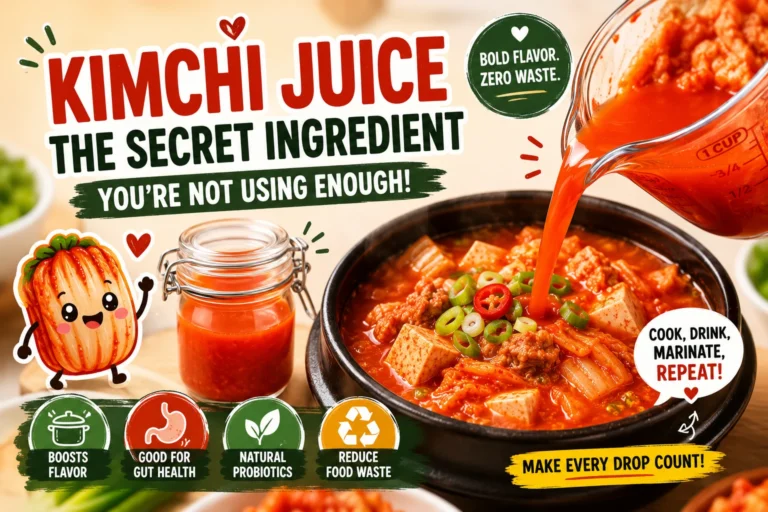
💡 Pro tip: Keep gochugaru fresh for 2-3 years with proper storage. Once you’ve made Leftover Kimchi Juice & Brine Uses, you’ll understand that fermented ingredients need care just like kimchi does—proper storage = maximum flavor.
Applications

Uses in Korean Cooking

Gochugaru appears in dozens of Korean dishes. Here are the main applications.

🍜 Kimchi & Fermentation
THE primary use. Essential ingredient in kimchi fermentation (goes in the spice paste). Defines the flavor and color of finished kimchi. Also used in other fermented vegetables (radish, cucumber). See How to Make Kimchi from Scratch for complete fermentation guide.
Critical ingredient, use best quality
🍚 Tteokbokki
Spicy rice cakes. Gochugaru mixed into the sauce with gochujang, sugar, and soy sauce. Creates the signature bright red spicy coating. Adjust heat by controlling gochugaru amount. Learn more in Types of Kimchi (includes tteokbokki context).
Use medium-hot for authentic heat
🥘 Soups & Stews (Jjigae)
Added to broth. Gochugaru sprinkled into kimchi jjigae (kimchi stew), doenjang jjigae (soybean stew), and other Korean soups. Adds color and heat without overwhelming broth.
Use sparingly, it intensifies during simmering
🍖 Marinades & Seasoning
Beef marinades for BBQ. Mixed with garlic, soy sauce, and sesame oil for bulgogi and galbi marinades. Also used on rice and vegetables as a finishing sprinkle.
Use hot varieties for marinades
🍔 Kimchi Burgers
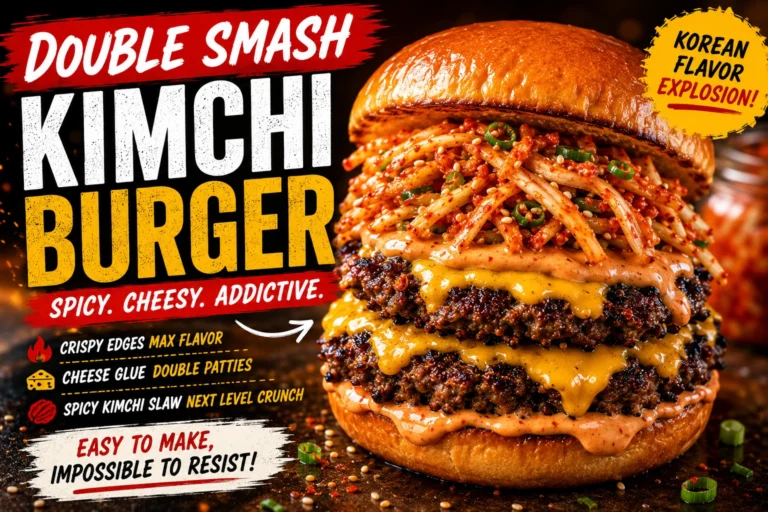
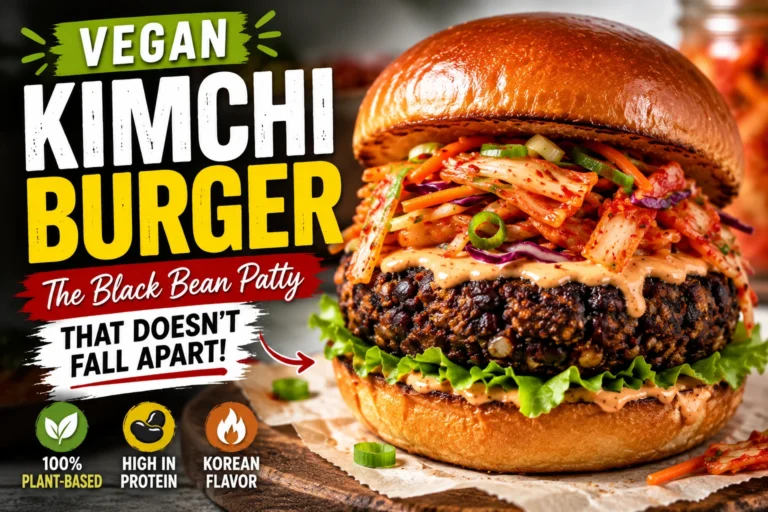
In marinades and toppings. Can be sprinkled on burgers for extra heat. Also used in gochujang mayo. Key ingredient in Korean burger culture. See our Kimchi Burger Pillar Page for all 11 burger variations using gochugaru.
Complements smash burgers perfectly
🥗 Salads & Sides (Namul)
Finishing sprinkle on vegetables. Sprinkled on cucumber salad, spinach namul, and other Korean side dishes. Adds color and heat without changing texture.
Use as garnish just before serving
Alternatives

Substitutions: When You Don’t Have Gochugaru

Can’t find gochugaru? Here are workarounds, ranked by how close they come.

Red Chili Flakes
Best substitute (close second). Use 1:1 ratio. Slightly different texture (chunkier) but similar heat and flavor. Quality varies by brand. Works well for most dishes except kimchi fermentation (texture difference noticeable).
Similarity: 85% | Heat: Similar | Effort: Easy
Paprika + Cayenne
Good compromise. Mix 70% paprika + 30% cayenne pepper to simulate gochugaru’s sweetness + heat combo. Adjust ratio to taste. Less fruity than real gochugaru but functional.
Similarity: 70% | Heat: Adjustable | Effort: Medium
Gochujang (Paste)
Different but usable. Gochujang is fermented and thick, not the same as gochugaru powder. Can use in sauces/marinades but NOT for kimchi fermentation. Use 2 tbsp gochujang = 1 tbsp gochugaru roughly.
Similarity: 60% | Heat: Lower | Effort: Easy
Crushed Red Pepper
Okay substitute. From jar, crushed red pepper works. Texture is chunky (flakes, not powder). Heat level varies by brand. Less sweet flavor than gochugaru. Use sparingly — heat can be overwhelming.
Similarity: 65% | Heat: Often hotter | Effort: Easy
Hot Sauce (Sriracha)
Last resort option. Sriracha is totally different (fermented, vinegary) but adds Korean-style heat. Works for marinades/sauces only. NOT for fermentation. Use sparingly — 1 tbsp sriracha ≠ 1 tbsp gochugaru.
Similarity: 40% | Heat: Much hotter | Effort: Difficult
DIY Powder
Best homemade option. Dry dried red chili peppers in oven at 250°F for 1 hour, then grind in food processor or blender to fine powder. Tastes fresh, closest to authentic. Time-consuming but very good results.
Similarity: 95% | Heat: Customizable | Effort: High
⚠️ For kimchi fermentation: Gochugaru is non-negotiable for How to Make Kimchi from Scratch. If unavailable, delay fermentation or make smaller batch with substitute. The taste will be noticeably different with substitutes. Gochugaru defines the final product.
Critical Ingredient

Gochugaru’s Role in Kimchi Fermentation

Understanding why gochugaru matters in fermentation will make you a better kimchi maker.

Why Gochugaru, Not Gochujang?

Kimchi fermentation needs gochugaru (powder) because:

Dry Consistency
Gochugaru is powder — blends evenly with salt and other spices to make the fermentation paste. Gochujang is thick paste — won’t distribute evenly. Even coating is essential for consistent fermentation.
Chemistry matters
Fresh Chili Flavor
Gochugaru has bright, fresh chili pepper flavor because it’s just dried peppers. Gochujang is already fermented (different flavor profile). Kimchi fermentation creates its own umami — you want fresh chili to balance it.
Flavor complexity
Perfect Fermentation
Gochugaru’s fine powder texture allows lactobacillus (fermentation bacteria) to access all the ingredients evenly. Uneven application = uneven fermentation. Some parts very spicy, others bland.
Fermentation science
💡 Pro tip: Understanding gochugaru’s role is KEY to our Kimchi Fermentation Stages Guide where lactobacillus bacteria interact with chili compounds over 3-14 days to create the perfect fermented taste.

Heat Level Impact on Fermentation

The heat level of gochugaru you choose affects the final kimchi:

💡 Mild gochugaru: Final kimchi is less spicy, sweeter. Great for beginners or people who don’t like extreme heat. Flavor-forward rather than heat-forward.
💡 Medium gochugaru: Balanced heat and flavor. Most common choice. Final kimchi has good kick without overwhelming. What most Koreans use.
💡 Hot gochugaru: Final kimchi is very spicy. Better for heat lovers or certain dishes (tteokbokki, stir-fries). Can overpower subtle kimchi flavors if not careful.
💡 Pro tip: Start with medium for your first batch. Once you know your preferences, adjust heat level for future batches. 1-2 tbsp difference in gochugaru amount = noticeable heat difference.
15 Common Questions

Gochugaru FAQ

Answers to your gochugaru questions. First 3 pre-opened.

No. Gochugaru is specifically Korean red chili flakes/powder. Generic “chili powder” is different — it’s a spice blend with cumin, garlic, and other spices added. Gochugaru is pure ground chili peppers with no additives. Not interchangeable for authentic Korean cooking. For best results, see our How to Make Kimchi from Scratch guide.

Not really. Gochujang is fermented paste with umami and complexity. Gochugaru is fresh ground chili. Different textures, different flavors. Use gochujang for sauces and condiments. Use gochugaru for fermentation and garnish. They serve different purposes.

Korean markets (best quality, freshest). Asian supermarkets (good selection). Regular supermarkets (limited but usually have at least one brand). Online (Amazon, specialty sites — good for bulk). Korean market is ideal because you can see the color and smell before buying.

Unopened package: 1-2 years. After opening: 4-6 months pantry, 1-1.5 years refrigerated, 2-3 years frozen. Color and flavor degrade over time from oxidation. Opened packages last shorter because of air exposure. Store in airtight containers to extend life.

Yes, but slowly. Signs: dark brown color (oxidized), musty smell (aged), or mold (moisture). Discard if moldy. If just dark brown, still usable but lower quality. It doesn’t “spoil” like fresh food, but flavor degrades significantly after 2+ years.

Fine (most common): Powder-like, evenly distributed in fermentation, better for kimchi. Coarse: Visible flakes, used sometimes for garnish or texture. For fermentation, always use fine. Coarse won’t distribute evenly and fermentation will be uneven.

Roughly 2-3 tbsp per 2 lbs cabbage for medium heat. Adjust up for hotter, down for milder. Start with 2 tbsp, taste the spice paste before fermenting, add more if needed. Every batch is different based on your heat preference.

Not necessarily. Depends on the variety and brand. Many gochugaru varieties are milder than standard red pepper flakes because they’re designed for kimchi (balanced flavor, not just heat). But hot gochugaru varieties can be as hot or hotter. Always check heat level before buying.

Yes, but requires drying. Dry fresh red chilies in sun (2-3 weeks) or oven at 250°F (2-3 hours). Then grind to powder. Tedious but you get fresh, customizable heat level. Better than store-bought for serious fermentation. Time investment is significant though.

Sempio or CJ (Gochujang Boy) — both are consistent, widely available, and reliable. Medium heat level is beginner-friendly. Sunchang if you want premium quality. Korean market bulk if you want freshest. Start with mass market, upgrade later based on preferences.

Yes, highly recommended. Refrigeration extends shelf life significantly (1-1.5 years vs 4-6 months). Cold slows oxidation and flavor degradation. Freezer is even better (2-3 years). Pantry storage works for short-term but refrigeration is best practice.

Traditional Korean gochugaru is made from red chili peppers, not green or other colors. The red color indicates ripeness (red peppers are fully ripe). The Maillard reaction during drying also develops the deep red color. Red pepper flavor is also preferred in Korean cooking for its sweetness.

Absolutely. Gochugaru works in any dish needing red chili heat — Mexican salsa, Indian curries, Italian pasta, American BBQ sauce. The sweet, fruity flavor profile is more versatile than standard chili powder. Experiment with it.

Yes, gochugaru itself (pure ground chili) is naturally gluten-free. BUT check the label — some brands add ingredients or process in facilities with gluten. Read the label carefully. Most major brands (Sempio, CJ) are explicitly gluten-free.

Ji-Young Park
Written by
Ji-Young Park
Korean Food Expert

Ji-Young has been making kimchi since childhood and understands gochugaru deeply — how to select it, store it, and use it properly. This guide covers everything you need to know about this essential Korean ingredient.

View full author profile →
🌶️

Gochugaru is the heart of Korean cooking. Master this ingredient and you understand Korean food deeply.

Back to Top ↑

Was this guide helpful?

Your feedback helps us improve KimchiGuide.
Thank you! 🙏

Similar Posts

Leave a Reply

Your email address will not be published. Required fields are marked *