7-Day Kimchi Diet Plan
A gentle, no-pressure 7-day kimchi diet plan for anyone who wants to try adding kimchi to their meals before committing to more. Simple daily meals, a short shopping list, and a doable kimchi ramp-up from 50g to 100g/day. See the Research Reality Check before you start.


- Kimchi 101: What You’re Actually Eating
- The Real Research (Read This First)
- The 7-Day Plan
- Full Recipes for 4 Signature Meals
- Make It Vegetarian, Vegan, GF or Low-Sodium
- Ingredient Swaps
- Storing Leftovers Safely
- Sunday Prep — 45 Minutes
- One-Week Shopping List
- Recommended Gear for This Week
- Common Beginner Mistakes
- Troubleshooting Bloating & Digestion
- Nutrition Snapshot
- 7-Day vs 30-Day: Which to Start
- Eating Out or Traveling
- What’s Next After Day 7
- FAQ
Is a 7-day kimchi diet plan a good idea?
Yes, as a starting point — not as a weight-loss protocol. A week is a realistic amount of time to build the habit of eating kimchi daily, test how your digestion handles it, and figure out which meals you actually enjoy. It’s too short to expect measurable weight loss from kimchi itself. If it goes well, the natural next step is our full 30-day kimchi diet plan, which continues the ramp-up with a complete 4-phase structure.
Kimchi 101: What You’re Actually Eating This Week
Before you start this 7-day kimchi diet plan, it helps to know what kimchi actually is and why it behaves differently from most vegetables sitting in your fridge.
Kimchi has been made in Korea for well over a thousand years, originally as a way to preserve vegetables through winter before refrigeration existed. Early versions were simple salted vegetables without chili — the now-familiar red, spicy style only became common after chili peppers arrived in Korea in the 17th century. Today there are hundreds of regional and seasonal varieties, but the fermentation principle behind all of them is the same one driving the benefits behind this 7-day kimchi diet plan.
Kimchi is napa cabbage or radish that’s been salted, seasoned with garlic, ginger, chili flakes (gochugaru), and often a splash of fish sauce or salted shrimp, then left to ferment at room temperature or in a cool spot for anywhere from a few days to several weeks. During fermentation, naturally occurring lactic acid bacteria — mainly Leuconostoc and Lactobacillus species — convert the sugars in the cabbage into lactic acid. That’s what gives kimchi its sour tang, and it’s also what makes it a genuine source of live probiotics, similar in principle to yogurt or sauerkraut. Harvard Health notes that fermented foods like kimchi are one of the two main ways to get more of these beneficial bacteria into your diet, alongside supplements.
🥬 Fresh (Geotjeori-style)
Made or bought within the last few days. Crisp, mild, barely sour — closer to a seasoned salad than a ferment. Good for people easing into kimchi’s flavor.
🫙 Mid-fermented (1-3 weeks)
This is what most of this 7-day kimchi diet plan calls for — tangy, a little fizzy, still has crunch. The sweet spot for most of the meals below.
🍶 Well-fermented (3+ weeks)
Softer texture, much stronger sour flavor. Best cooked into stews (jjigae) or fried rice rather than eaten raw.
🔥 Shelf-stable (pasteurized)
Sold unrefrigerated in some grocery stores. Heat-treated to survive room temperature, which kills the live bacteria — avoid this type for a plan built around fermentation benefits.
Kimchi Nutrition Facts (Per 100g, Approximate)
Basic Nutrients
Why This Matters This Week
The Real Research (Read This First)
Most “kimchi diet” articles online cite numbers that don’t hold up. Here’s what the actual research behind this 7-day kimchi diet plan shows, in plain terms.
The 7-Day Kimchi Diet Plan, Day by Day
Kimchi starts at 50g/day (about 3-4 tablespoons) for the first two days, moves to 75g/day mid-week, and finishes at 100g/day by day 7 — a gentler ramp than the 30-day plan’s, since this week is about easing in.
Printable Quick-Reference: The Whole Week at a Glance
Screenshot or print this table to keep on your fridge — it’s the whole 7-day kimchi diet plan condensed into one view.
| Day | Dose | Breakfast | Lunch | Dinner |
|---|---|---|---|---|
| 1 | 50g | Kimchi Egg Scramble | Kimchi Bibimbap | Kimchi Jjigae |
| 2 | 50g | Overnight Oats + Kimchi | Kimchi Chicken Wrap | Kimchi Fried Rice |
| 3 | 75g | Miso Soup + Rice + Kimchi | Kimchi Soba Bowl | Sesame Salmon + Kimchi Rice |
| 4 | 75g | Korean Congee + Kimchi | Kimchi Tofu Lettuce Cups | Korean Beef Rice Bowl |
| 5 | 100g | Korean Grain Bowl | Kimchi Salmon Rice Bowl | Doenjang Jjigae + Kimchi |
| 6 | 100g | Kimchi Tofu Scramble | Kimchi Egg Drop Soup | Korean Grilled Chicken + Kimchi |
| 7 | 100g | Kimchi Avocado Rice Bowl | Kimchi Chickpea Bowl | Kimchi Tofu Stir-Fry |
Full Recipes for 4 Signature Meals
The day cards above tell you what to eat — these four recipes show you exactly how to cook the meals that appear most often across this 7-day kimchi diet plan, so you’re never guessing in the kitchen.
Ingredients
- 1 cup well-fermented kimchi, roughly chopped
- 2 tbsp kimchi brine (from the jar)
- 100g firm tofu, cubed
- 1/2 cup thin-sliced pork or 1/2 cup extra tofu (vegan)
- 1 cup water or light broth
- 1 tsp gochugaru (Korean chili flakes)
- 1 clove garlic, minced
- 1 scallion, sliced
- 1/2 tsp sesame oil
Method
- Heat sesame oil in a small pot over medium heat. Add the pork (or extra tofu) and cook 2-3 minutes until lightly browned.
- Add the kimchi and garlic, stir-fry for 2 minutes until fragrant.
- Pour in the water and kimchi brine, add gochugaru, and bring to a simmer.
- Simmer uncovered for 10-12 minutes until the kimchi softens and the broth turns slightly red.
- Add the tofu cubes in the last 3 minutes so they heat through without breaking apart.
- Top with sliced scallion and serve straight from the pot with a bowl of rice.
Ingredients
- 1 cup cooked, cooled short-grain rice
- 1/2 cup fresh or mid-fermented kimchi, chopped
- 1 fried or soft-boiled egg
- 1/4 cucumber, julienned
- 1/4 carrot, julienned
- 1 tbsp gochujang (Korean chili paste)
- 1 tsp sesame oil
- 1 tsp toasted sesame seeds
Method
- Add the rice to a wide bowl as your base.
- Arrange the kimchi, cucumber, and carrot in separate sections around the bowl.
- Place the egg in the center.
- Spoon the gochujang over the top and drizzle with sesame oil.
- Scatter sesame seeds over everything.
- Mix everything together thoroughly right before eating — don’t stir it ahead of time or the rice gets soggy.
Ingredients
- 1.5 cups day-old cooked rice (cold rice fries better)
- 3/4 cup well-fermented kimchi, chopped, plus 1 tbsp brine
- 1 egg
- 1 scallion, sliced
- 1 tsp gochugaru (optional, for extra heat)
- 1 tbsp neutral oil
- 1 tsp sesame oil, to finish
Method
- Heat the neutral oil in a pan or wok over medium-high heat.
- Add the kimchi and stir-fry for 2-3 minutes until slightly caramelized at the edges.
- Add the rice and kimchi brine, breaking up any clumps, and fry for 4-5 minutes, stirring often.
- Push the rice to one side, crack the egg into the empty space, and scramble it, then mix through the rice.
- Stir in the gochugaru if using, then finish with sesame oil and scallion off the heat.
Ingredients
- 1.5 tbsp doenjang (Korean soybean paste)
- 1 cup water
- 100g firm tofu, cubed
- 1/4 zucchini, sliced
- 1/4 onion, sliced
- 1 clove garlic, minced
- 1 scallion, sliced
- 1/2 cup kimchi, served on the side
Method
- Bring the water to a simmer, then whisk in the doenjang until dissolved.
- Add the onion and garlic, simmer 5 minutes.
- Add the zucchini and tofu, simmer another 6-7 minutes until the vegetables are tender.
- Top with scallion and serve hot with rice and the kimchi on the side, not mixed in.
For the remaining meals in this 7-day kimchi diet plan, use these four as a template — swap the protein or grain and the technique stays the same: stew, cold rice bowl, fried rice, or soybean-paste soup.
Common Kimchi Myths, Debunked
A lot of what circulates about kimchi and weight loss doesn’t match the research. Here’s a quick reality check before you start this 7-day kimchi diet plan.
Signs You’re Ready to Continue Past Day 7
Not everyone needs to move on immediately — here’s how to tell if you’re ready for more than this 7-day kimchi diet plan offers.
✅ You tolerated 100g/day fine
No significant bloating or discomfort by day 6-7 means your gut has adjusted — a good sign you can handle the 30-day plan’s higher doses.
✅ You actually enjoyed the meals
If kimchi started feeling like a normal part of your plate rather than a chore, the habit is sticking — the best predictor of finishing a longer plan.
⏸️ You’re still adjusting
If day 5-7 still felt uncomfortable, that’s a signal to stay at this level a bit longer rather than jumping into a 150g/day target.
⏸️ The routine didn’t fit your week
If cooking daily felt like too much, revisit the Sunday Prep section above before deciding whether a longer plan is realistic for your schedule.
Make It Vegetarian, Vegan, Gluten-Free or Low-Sodium
This 7-day kimchi diet plan is easy to adapt — here’s exactly what to change for common dietary needs.
🌱 Vegetarian
Swap chicken, beef, salmon, and pork for extra tofu, tempeh, or a fried egg in each meal. Most traditional kimchi already contains fish sauce or salted shrimp — check the label if you want strictly vegetarian kimchi.
🌿 Vegan
Same protein swaps as vegetarian, minus the egg (use extra tofu or chickpeas instead). Buy or make vegan kimchi specifically — most brands list it clearly, since standard kimchi uses fish sauce or shrimp for depth of flavor.
🌾 Gluten-Free
Rice-based meals are naturally gluten-free. Swap the soba noodles on Day 3 for rice noodles or extra rice, and double-check that your gochujang and doenjang brands are labeled gluten-free — some contain wheat.
🧂 Lower-Sodium
Rinse kimchi briefly under cold water before eating to cut surface sodium, skip added soy sauce in recipes, and use low-sodium miso and doenjang where available. See the sodium note in Common Beginner Mistakes below.
Ingredient Swaps If You Can’t Find Something
Not every ingredient in this 7-day kimchi diet plan is available everywhere — here’s what actually works as a substitute.
| Can’t find | Use instead | Notes |
|---|---|---|
| Gochujang | 1 tbsp miso + 1 tsp chili powder + 1/2 tsp honey or sugar | Not identical, but close enough for the bibimbap and stir-fry meals |
| Gochugaru | Regular chili flakes, used at half the amount | Regular chili flakes are hotter and lack gochugaru’s smoky-sweet edge |
| Doenjang | White or yellow miso paste | Milder and slightly sweeter, but works fine in jjigae |
| Short-grain rice | Any sticky or medium-grain rice | Avoid long-grain basmati or jasmine — the texture doesn’t hold together the same way |
| Soba noodles | Rice noodles or extra rice | Also makes the meal gluten-free — see the Customize section above |
| Kimchi brine | 1 tsp rice vinegar + a pinch of salt per tbsp needed | Won’t have the same probiotic content, but works for flavor in cooked dishes |
Storing Leftovers Safely This Week
A few storage basics keep every meal in this 7-day kimchi diet plan safe and tasting good through the week.
- Cool completely before sealing
- Store in an airtight container
- Reheat with a splash of water
- Cool before refrigerating
- Reheat until steaming hot throughout
- Flavor often improves the next day
- Always use a clean utensil
- Keep submerged in its own brine
- Gets more sour and softer over time — still safe to eat
Sunday Prep — 45 Minutes to Set Up Your Whole Week
A little prep before Day 1 makes this 7-day kimchi diet plan much easier to stick to on busy weeknights.
- 4-5 cups cooked rice, cooled and refrigerated
- Covers breakfasts, lunches, and the fried rice recipe
- Day-old rice fries better than fresh
- Split into 50g / 75g / 100g portions
- Store in small containers, ready to grab
- Keeps the rest of the jar from being over-handled
A kitchen scale and small containers make this step much faster — see Recommended Gear.
- Mince a week’s worth of garlic and scallions
- Store in a small sealed container
- Shaves minutes off every single meal
7-Day Kimchi Diet Plan Shopping List
Everything for the 21 meals above, plus the 3 signature recipes, in one trip. Quantities assume cooking for one person.
🥬 Produce & Kimchi
- Kimchi (refrigerated) ~700g jar
- Napa cabbage or lettuce 1 head
- Scallions 1 bunch
- Garlic 1 head
- Avocado 1
- Cucumber 1
- Carrot 1
🍚 Pantry & Grains
- Short-grain rice 1kg
- Rolled oats 1 cup
- Soba noodles 1 bundle
- Doenjang & miso paste 1 tub each
- Gochujang & gochugaru 1 tub / 1 bag
- Sesame oil 1 bottle
- Sesame seeds 1 small jar
- Chickpeas (canned) 1 can
🥚 Protein
- Eggs 1 dozen
- Firm tofu 2 blocks
- Chicken breast 400g
- Salmon fillets 2
- Beef (thin-sliced) 200g
Recommended Gear for This Week
You don’t need anything special to do this 7-day kimchi diet plan — but these three things make the dosing and prep noticeably easier, especially in week 1 while you’re still eyeballing portions.
As an Amazon Associate, KimchiGuide earns from qualifying purchases — at no extra cost to you.
This plan is built entirely around gram doses (50g → 75g → 100g). A cheap kitchen scale removes the guesswork — tablespoon estimates can be off by 20-30g either way, which matters most in week 1.
Check Price on Amazon →The Sunday Prep section above has you portioning kimchi into 50g/75g/100g containers ahead of time. Small, airtight glass containers keep it grab-and-go without the jar smell taking over your fridge.
Check Price on Amazon →A real, refrigerated, unpasteurized kimchi brand made in the US — ships nationwide if you can’t get to an H Mart or Korean market before Day 1. Same buying rules from Kimchi 101 apply either way.
Check Price on Amazon →Common Beginner Mistakes
Most first-week issues come down to one of these four things.
Troubleshooting: Bloating, Gas & Digestive Adjustment
This is the part of a 7-day kimchi diet plan most beginner guides skip — here’s what’s actually happening in your gut this week.
Kimchi is high in fiber and contains live bacteria your gut may not be used to processing in these quantities yet. When you introduce a new fermented food, your gut microbiome needs a few days to adjust its bacterial population to handle the extra fiber and lactic acid bacteria — Harvard Health explains this adjustment period is completely normal and usually settles within the first week.
- Completely normal response
- Stick with your current dose
- Drink water with meals
- Hold at 75g instead of moving to 100g
- Give it 1-2 extra days before increasing
- Eat kimchi with, not before, other food
- Stop increasing the dose
- Drop back to whatever felt fine
- Talk to a doctor if it continues
Nutrition Snapshot: Calories & Macros This Week
This 7-day kimchi diet plan isn’t built around strict calorie counting, but here’s roughly what a typical day looks like using the meals above.
Typical Day (e.g. Day 3)
What Drives These Numbers
These are estimates based on the specific ingredients and portions in the day cards above — actual numbers will shift depending on your exact brands and portion sizes.
Day-by-Day Kimchi Dose & Calorie Estimate
| Day | Kimchi Dose | Est. Calories | Est. Sodium (from kimchi) |
|---|---|---|---|
| Day 1 | 50g | ~1,500 kcal | ~200-250mg |
| Day 2 | 50g | ~1,550 kcal | ~200-250mg |
| Day 3 | 75g | ~1,600 kcal | ~300-375mg |
| Day 4 | 75g | ~1,550 kcal | ~300-375mg |
| Day 5 | 100g | ~1,650 kcal | ~400-500mg |
| Day 6 | 100g | ~1,600 kcal | ~400-500mg |
| Day 7 | 100g | ~1,550 kcal | ~400-500mg |
Calories stay fairly flat across the week since the kimchi ramp adds only 15-20 kcal per 25g increase — the bigger swings come from which protein and grain each meal uses.
7-Day vs 30-Day: Which Kimchi Diet Plan Should You Start With?
Not sure whether to start with this 7-day kimchi diet plan or jump straight into the full 30-day kimchi diet plan? Here’s the honest comparison.
| 7-Day Kimchi Diet Plan | 30-Day Kimchi Diet Plan | |
|---|---|---|
| Best for | First-timers, testing tolerance | People ready for a full habit-building month |
| Kimchi dose | 50g → 100g/day | 50g → 150g/day |
| Structure | Simple day cards, no phases | 4 structured phases |
| Calorie targets | Not tracked | 1,400-1,900 kcal/day targets included |
| Extras | Day checklist | Calorie calculator, printable PDF, ICS calendar export |
| Time commitment | 1 week | 1 month |
If you’ve never eaten kimchi regularly before, start here. If you already know you tolerate it well — you’ve eaten kimchi regularly in the past with no issues — you can skip straight to the 30-day kimchi diet plan and save yourself a week. Everyone else is better served easing in first.
Eating Out or Traveling This Week
A dinner out or a travel day doesn’t have to derail this 7-day kimchi diet plan — here’s how to stay close to it without turning down your social life.
🍽️ At a Korean restaurant
Easiest option by far — banchan (side dishes) almost always include kimchi, and you can order it as an extra side if it’s not already on the table.
🍔 At a non-Korean restaurant
Skip the kimchi that day rather than stressing over it, and pick it back up the next day at your current dose — missing one day mid-week doesn’t reset your progress.
✈️ Traveling
Pack a small sealed container of kimchi in a cooler bag for short trips, or simply pause the plan and resume at the same dose when you’re back — no need to restart from 50g.
🛒 At a Korean or Asian grocery store
A good chance to pick up a smaller travel-size jar of kimchi, or fresh banchan-style kimchi that’s milder and easier to eat on the go.
What’s Next After Day 7
By Sunday you’ll know whether kimchi-forward eating fits your routine. Here’s where to go from here.
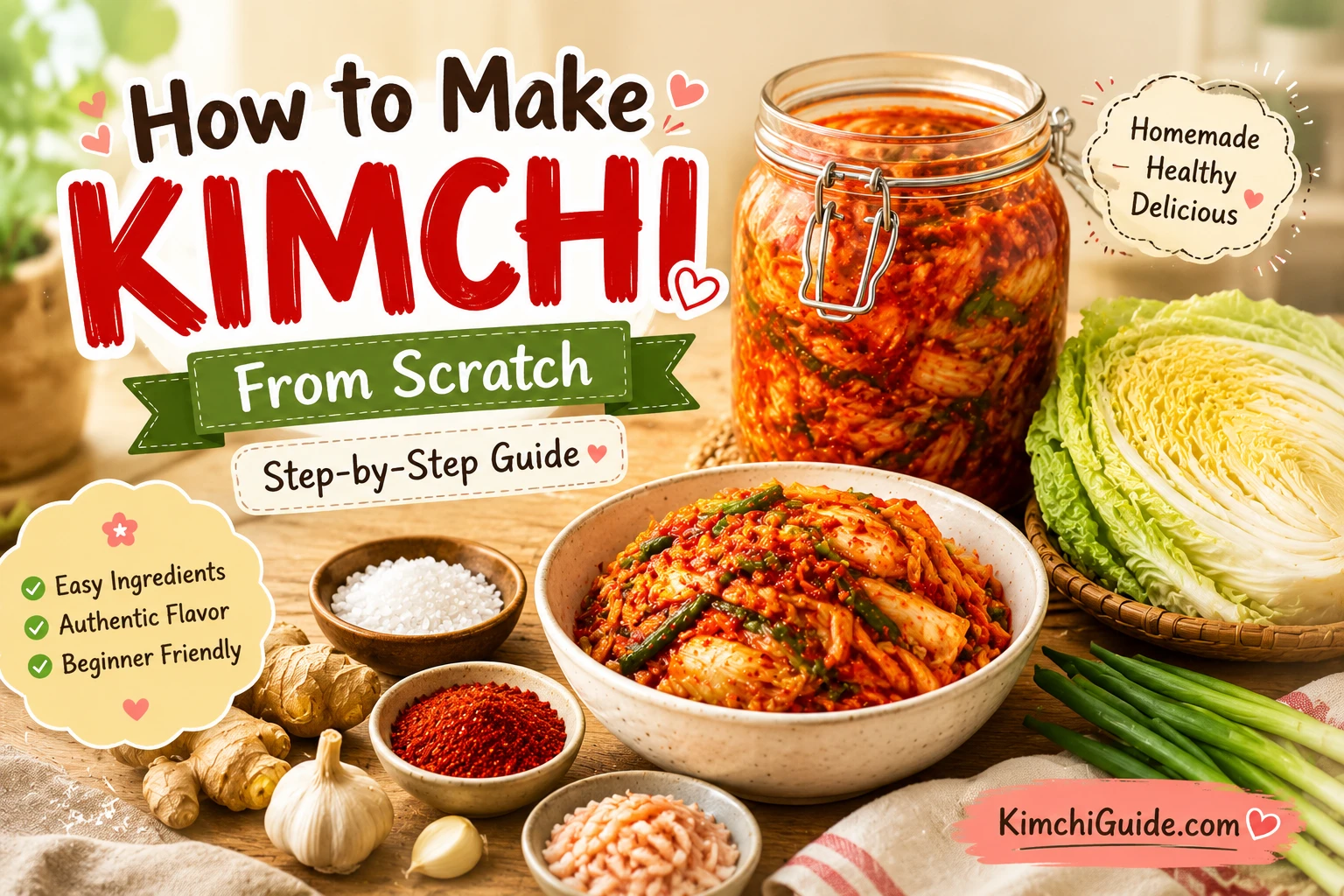
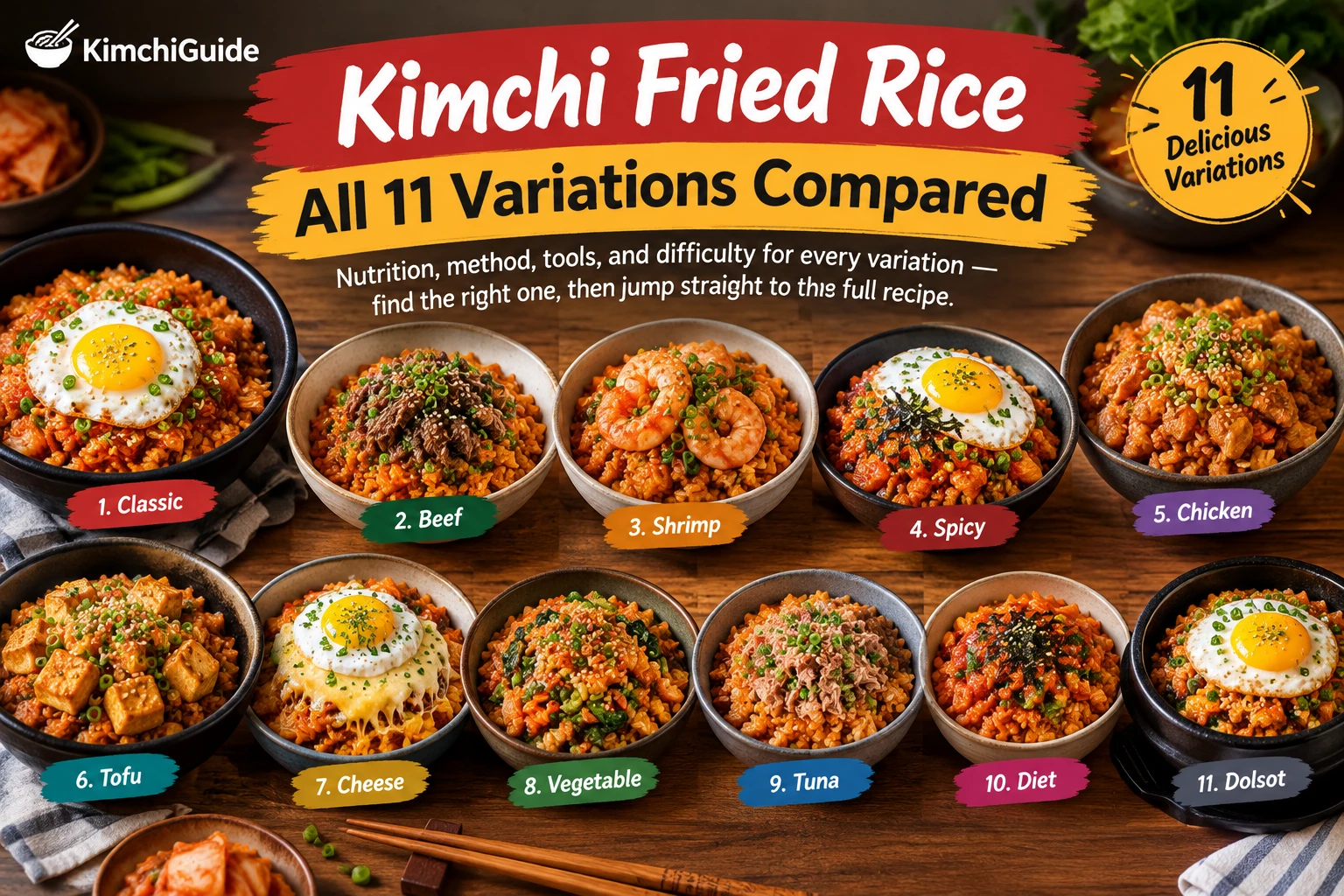
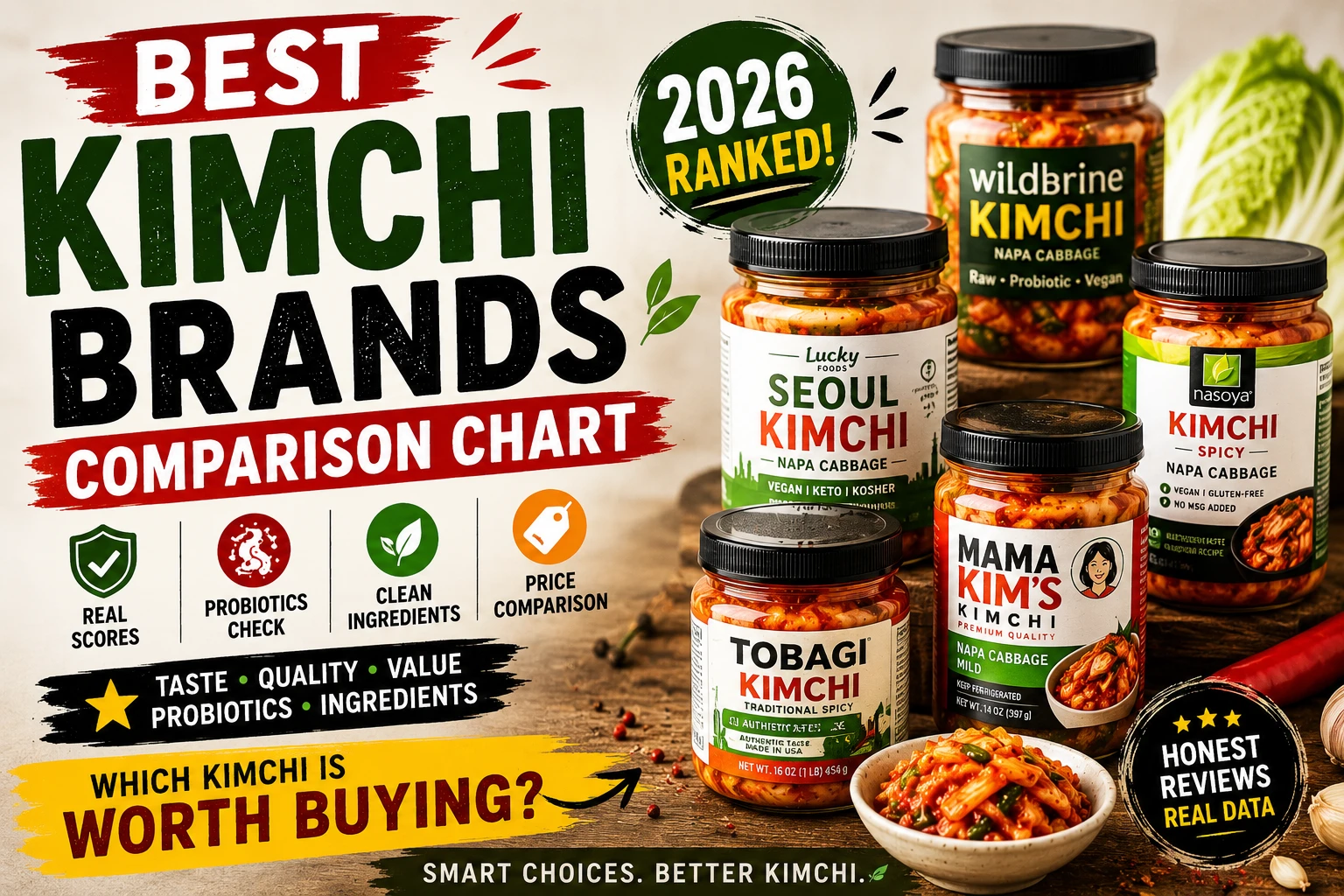
Prefer to keep it casual instead? Just keep including kimchi at whatever amount felt comfortable by day 7 — there’s no requirement to move on to a longer plan. A few places to go next either way:
Frequently Asked Questions
One week is mostly about building the habit and seeing how your gut responds — it’s too short to expect visible weight change. A large 2024 observational study (115,726 people) linked regular, longer-term kimchi intake to somewhat lower obesity rates in men; a separate small trial found benefits from 12 weeks of concentrated kimchi powder, not real kimchi over 7 days. Think of this week as a trial run, not a transformation.
Yes — this is a lighter, no-pressure starter week with simpler meals and a gentler kimchi ramp-up (50g to 100g/day). If you finish the week and want to keep going, our full 30-day kimchi diet plan has the complete 4-phase structure, calorie targets, and a downloadable tracking PDF.
Start around 50g/day (roughly 3-4 tablespoons) for the first two days, then move to about 75g/day, finishing the week around 100g/day. This gentle ramp gives your gut time to adjust and avoids the bloating that can come from jumping straight to a large daily amount.
Yes — this plan is built for exactly that. The doses start low, the meals use mild, familiar formats (rice bowls, wraps, scrambles), and the Common Beginner Mistakes section above covers the issues first-timers usually run into.
Mild bloating or gas in the first few days is common when adding any new fermented food and usually settles down. If it’s uncomfortable, hold at your current amount for a day or two before increasing rather than pushing through to the next dose.
Look for refrigerated, unpasteurized kimchi — shelf-stable pasteurized versions have no live bacteria left. See our full guide to the best store-bought kimchi brands for specific picks, or make your own from scratch if you’d rather start with a fresher batch.
Yes — every day includes at least one plant-based meal, and using vegan kimchi (made without fish sauce or shrimp) keeps the whole week fully plant-based.
If the week went well, the natural next step is the full 30-day kimchi diet plan, which continues the ramp-up to 150g/day across 4 phases with a complete shopping list and weekly schedule. If you’d rather keep it casual, just keep including kimchi at the amount that felt comfortable by day 7.
Yes — the Full Recipes section includes complete step-by-step instructions and ingredient lists for four of the most-repeated meals: Kimchi Jjigae, Kimchi Bibimbap, Kimchi Egg Fried Rice, and Doenjang Jjigae. The remaining meals follow the same basic techniques, so you can adapt freely.
Yes — see the Sunday Prep section, which covers cooking a batch of rice, portioning your kimchi doses, and prepping garlic and scallions ahead of time. That alone removes most of the daily cooking friction.
Yes, relatively — 100g of kimchi can carry 400-600mg of sodium depending on the brand. The CDC recommends staying under 2,300mg of sodium per day total, so it’s worth factoring in if you’re also salting other meals or have high blood pressure.
The clearest signs are tolerating 100g/day comfortably by day 6-7 and genuinely enjoying the meals rather than forcing them. If you’re still adjusting or the daily cooking felt like too much, it’s fine to stay at this level longer before moving to the 30-day kimchi diet plan.
Not strictly, but it helps a lot. Tablespoon estimates for 50g/75g/100g of kimchi can be off by 20-30g in either direction, which matters most in week 1 while your gut is still adjusting. A basic digital kitchen scale removes the guesswork and takes about 10 seconds per meal — see the Recommended Gear section above.
Comments
Tried the week? Let others know how it went.