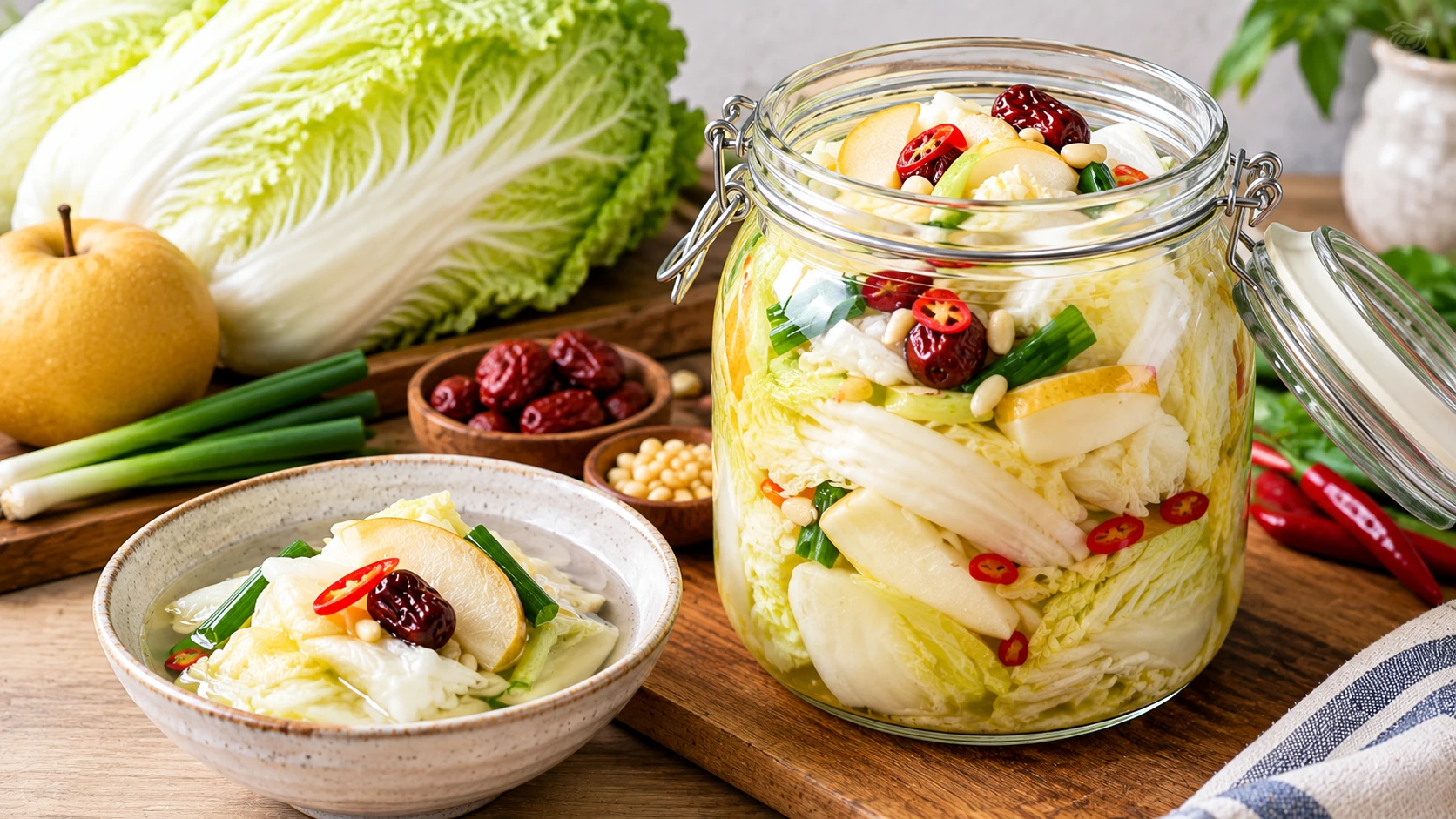
Baek KimchiWhite Kimchi — Korea’s Original Non-Spicy Kimchi
Long before red kimchi existed, this is what kimchi looked like. Baek kimchi carries no chili at all — napa cabbage is stuffed with radish, pear, chestnuts and jujube, then fermented in a light, drinkable brine instead of a paste. Here’s what makes it genuinely different, and a traditional recipe to make it at home.

What Is Baek Kimchi?
In one sentence: Baek kimchi is a chili-free Korean kimchi — salted napa cabbage stuffed with radish, fruit and mild aromatics, then fermented in a light brine instead of a red paste.
Baek kimchi (백김치, “white kimchi”) is one of the oldest kimchi styles in Korea, made entirely without gochugaru (chili powder). Chili peppers only reached Korea in the late 16th to 17th century, so the red, paste-based kimchi most people picture today is actually the newer development — baek kimchi represents the older, non-spicy lineage of kimchi-making. Instead of a thick chili paste, salted napa cabbage is stuffed between the leaves with radish, carrot, Asian pear, garlic, and traditionally chestnuts, jujube, and pine nuts, then submerged in a light, mildly salty-sweet brine to ferment. Both the cabbage and the brine are eaten — the brine is often sipped like a cold, tangy soup. Because it has no heat at all, it’s a common recommendation for children, older family members, and anyone who wants the probiotic benefit of fermented kimchi without any spice.
Baek Kimchi vs Red Kimchi
Most people’s mental image of “kimchi” is red, spicy, and paste-based. Baek kimchi shares the fermentation technique but differs on almost everything else.
Key Terms — Baek Kimchi & Water Kimchi
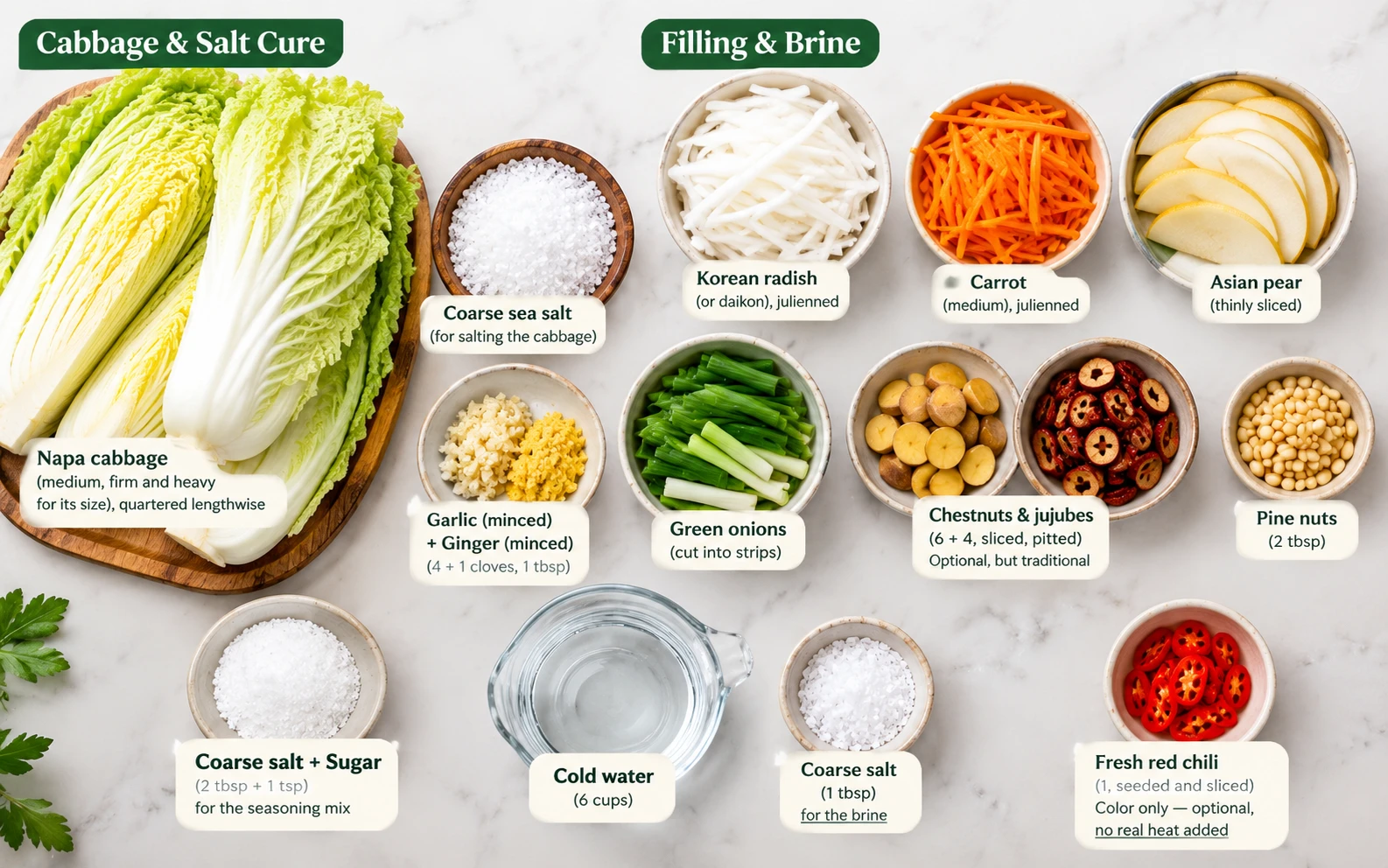
Ingredients
🛒 Shop This Recipe
Napa cabbage, radish and Asian pear are best bought fresh from a produce section or Korean/Asian grocer. Chestnuts, jujube and pine nuts are the specialty items worth ordering online if your local store doesn’t carry them.
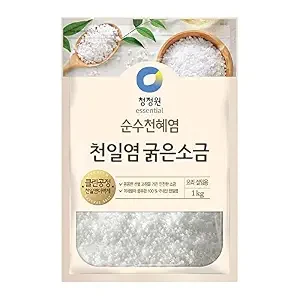
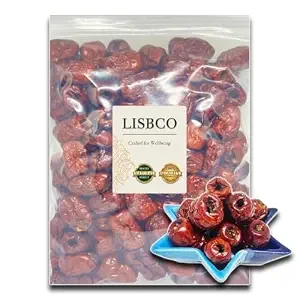
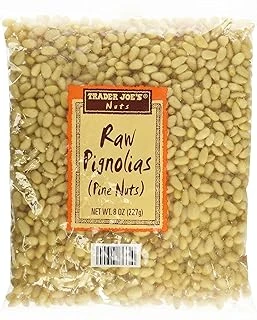


As an Amazon Associate, KimchiGuide earns from qualifying purchases. US links use Amazon.com (tag: kimchiguide-20); UK links use Amazon.co.uk (tag: kimchiguide-21). Links go to a live Amazon search for each item rather than a single fixed product, so you can pick the exact size/brand you prefer. Product photos are placeholders pending real product photography.

“Because baek kimchi ferments in a thin brine rather than a thick paste, it can actually reach a safe, tangy fermentation faster than paste-based kimchi in some cases — but that same thin brine means keeping everything fully submerged matters even more. A press plate or weight is worth using here.”
How Baek Kimchi Is Made
Four stages: salt the cabbage, prep the filling, stuff the leaves, then submerge in brine and ferment.
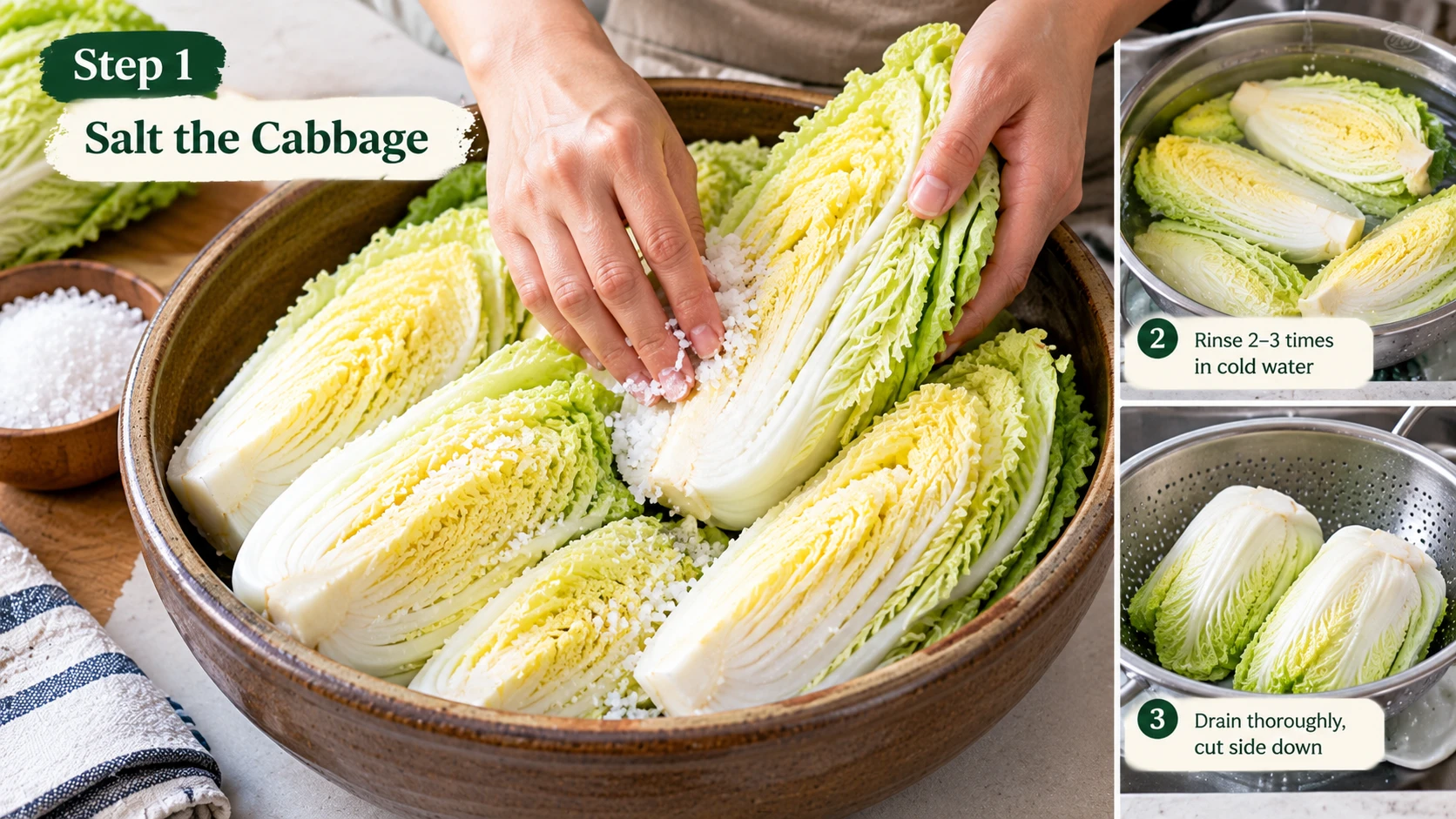
Cut the napa cabbage into quarters lengthwise. Rub coarse salt between every leaf, paying extra attention to the thick white base, and let the quarters sit for about 2 hours until they wilt and release liquid.
Rinse the cabbage 2–3 times in cold water to remove excess salt, then drain thoroughly, cut side down, before moving on.
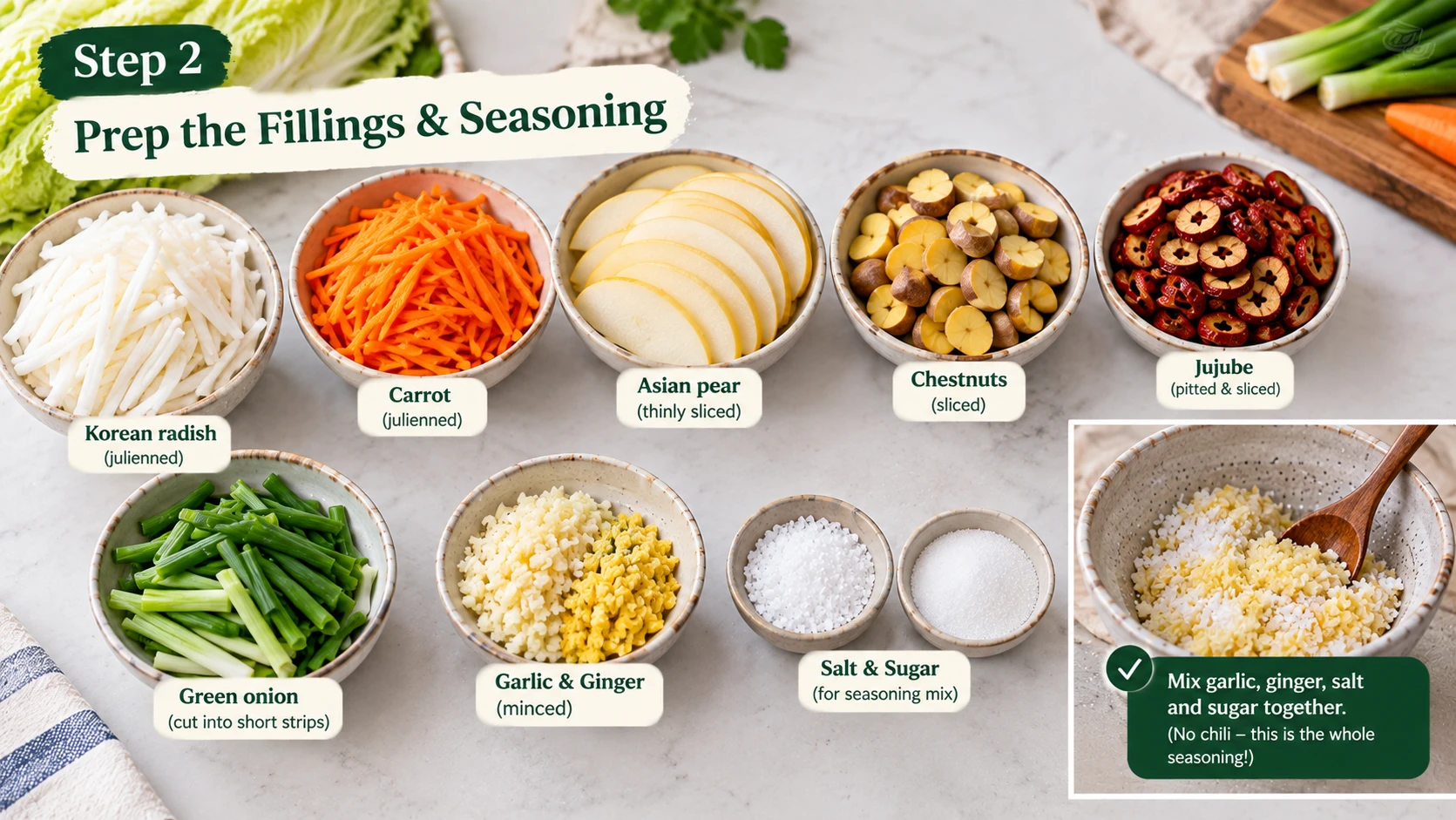
While the cabbage salts, julienne the radish and carrot, and thinly slice the Asian pear, chestnuts and jujube. Cut the green onion into short strips. Mix the minced garlic, ginger, coarse salt and sugar together in a small bowl — this is the whole seasoning, with no chili anywhere in it.
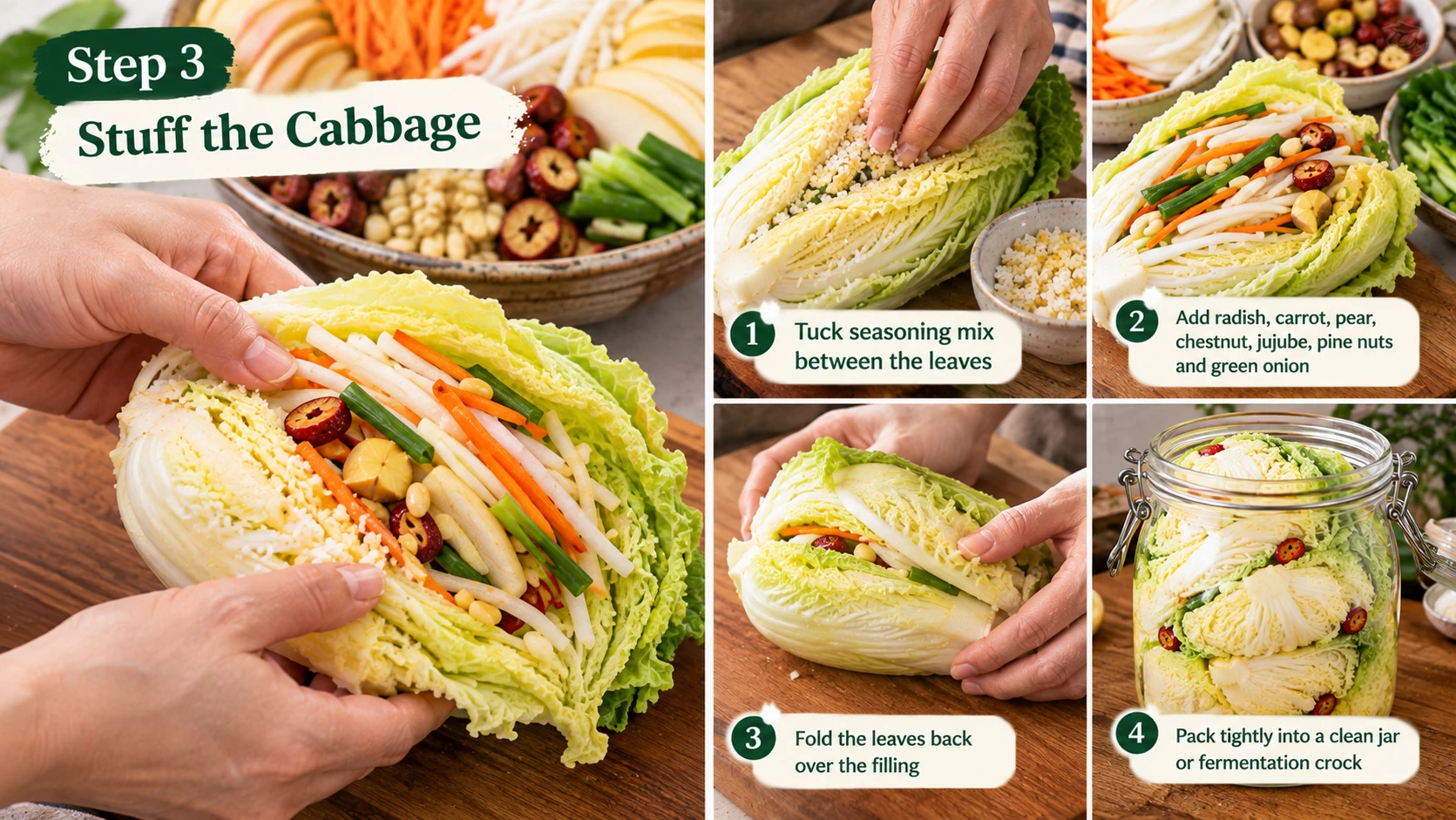
Working from the base of each cabbage quarter toward the tip, tuck a little seasoning mix between the leaves, then layer in radish, carrot, pear, chestnut, jujube, pine nuts and green onion. Fold the leaves back over the filling and pack the quarters tightly into a clean jar or fermentation crock.
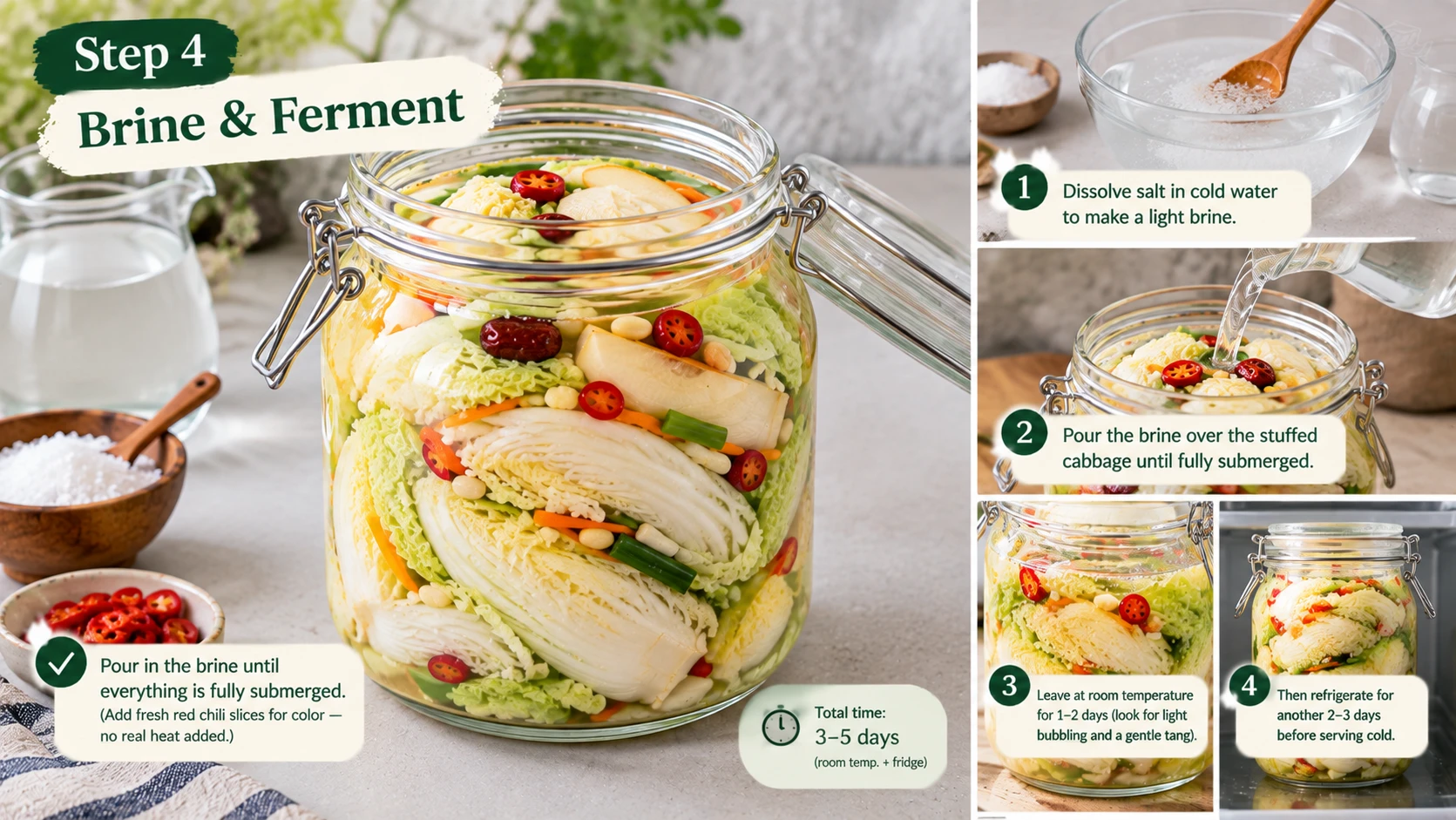
Dissolve salt in cold water to make a light brine and pour it over the stuffed cabbage until everything is fully submerged. Lay a few slices of fresh red chili on top if you’d like flecks of color in the finished brine — this adds no meaningful heat.
Leave the jar at room temperature for 1–2 days, until you see light bubbling and can taste a gentle tang, then move it to the refrigerator for another 2–3 days before serving cold, cabbage and brine together.
Tools Used in This Recipe
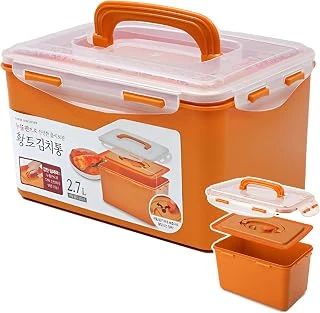
Nothing specialized — the tools below just make the salting, cutting and fermenting steps easier to get right.

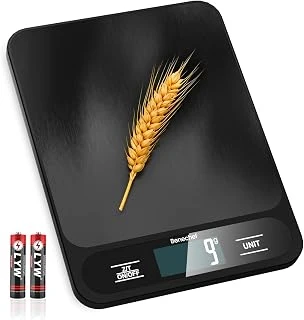
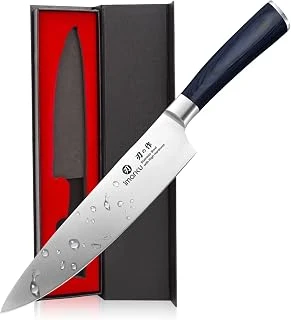
As an Amazon Associate, KimchiGuide earns from qualifying purchases. None of these tools are required exactly as pictured — any large bowl, kitchen scale, airtight container, and sharp knife will do the same job. Product photos are placeholders pending real product photography.
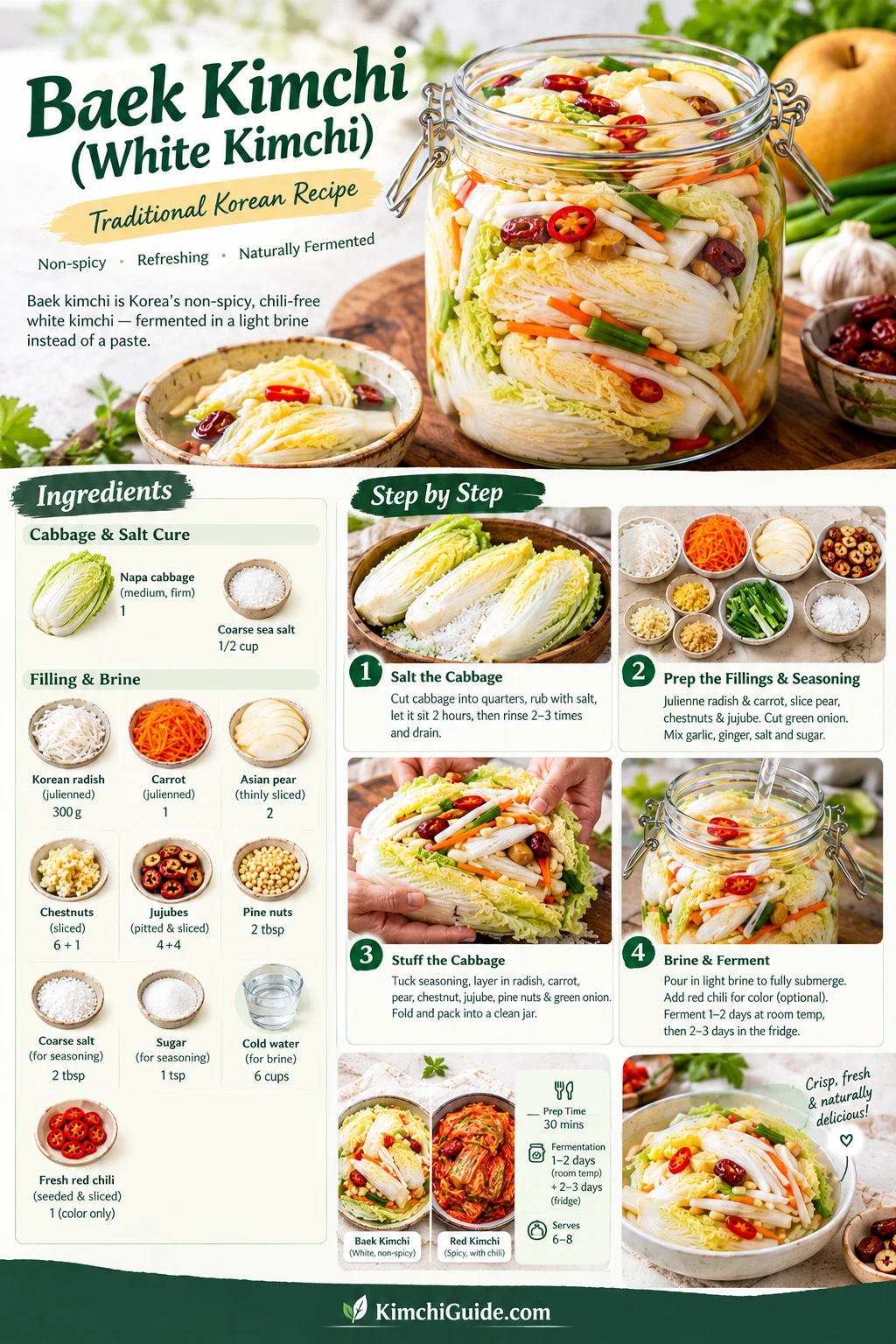
Baek Kimchi
Traditional recipe · No gochugaru · 3–5 days total
- 1 medium napa cabbage, quartered
- 1/2 cup coarse salt (for the cabbage)
- 300g Korean radish + 1 carrot, julienned
- 1 Asian pear, thinly sliced
- 4 cloves garlic + 1 tbsp ginger, minced
- 2 green onions, cut into strips
- 6 chestnuts + 4 jujubes, sliced + 2 tbsp pine nuts
- 2 tbsp salt + 1 tsp sugar (seasoning mix)
- 6 cups cold water + 1 tbsp salt (brine)
- 1 fresh red chili, sliced (color only)
- 1Salt cabbage quarters 2 hrs until wilted, rinse 2–3 times, drain well.
- 2Julienne/slice radish, carrot, pear, chestnut and jujube; mix garlic, ginger, salt, sugar.
- 3Stuff seasoning and fillings between cabbage leaves base to tip; pack into a jar.
- 4Cover fully with a light salt brine; add red chili slices on top for color if using.
- 5Rest 1–2 days room temp, then refrigerate 2–3 more days before serving cold.
Per serving (6 servings total, cabbage plus brine). Nutrition is estimated and will vary with how much brine is consumed.
Related Non-Spicy Kimchi
Baek kimchi sits in a small family of clear-brine, chili-free kimchi varieties — here’s where to go next.
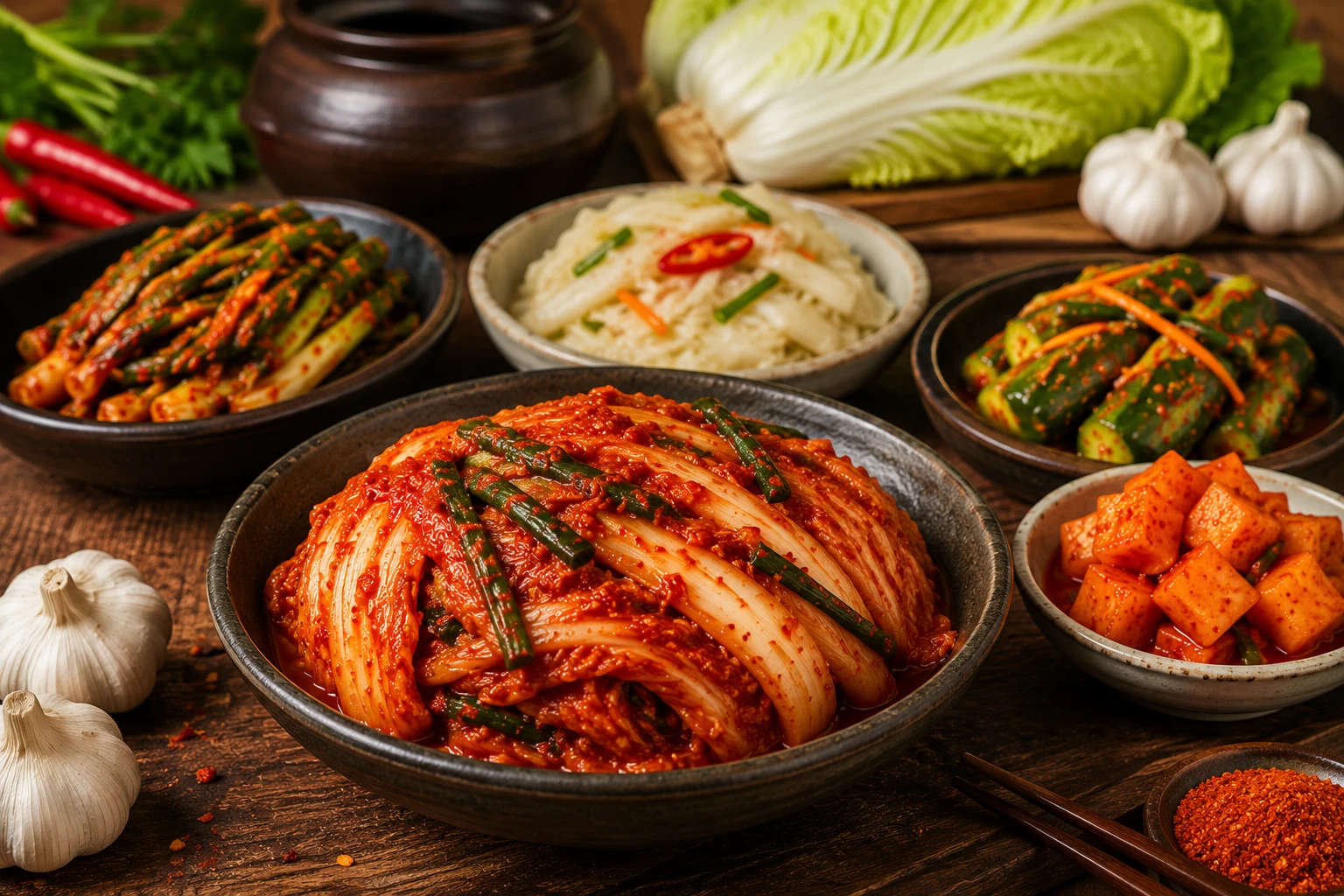
The full category this dish belongs to, including dongchimi and nabak kimchi.
See the section →The closest documented relative — same brine method, whole radish instead of cabbage.
Read the guide →Korea’s other beloved everyday kimchi — this one is paste-based and spicy.
Read the guide →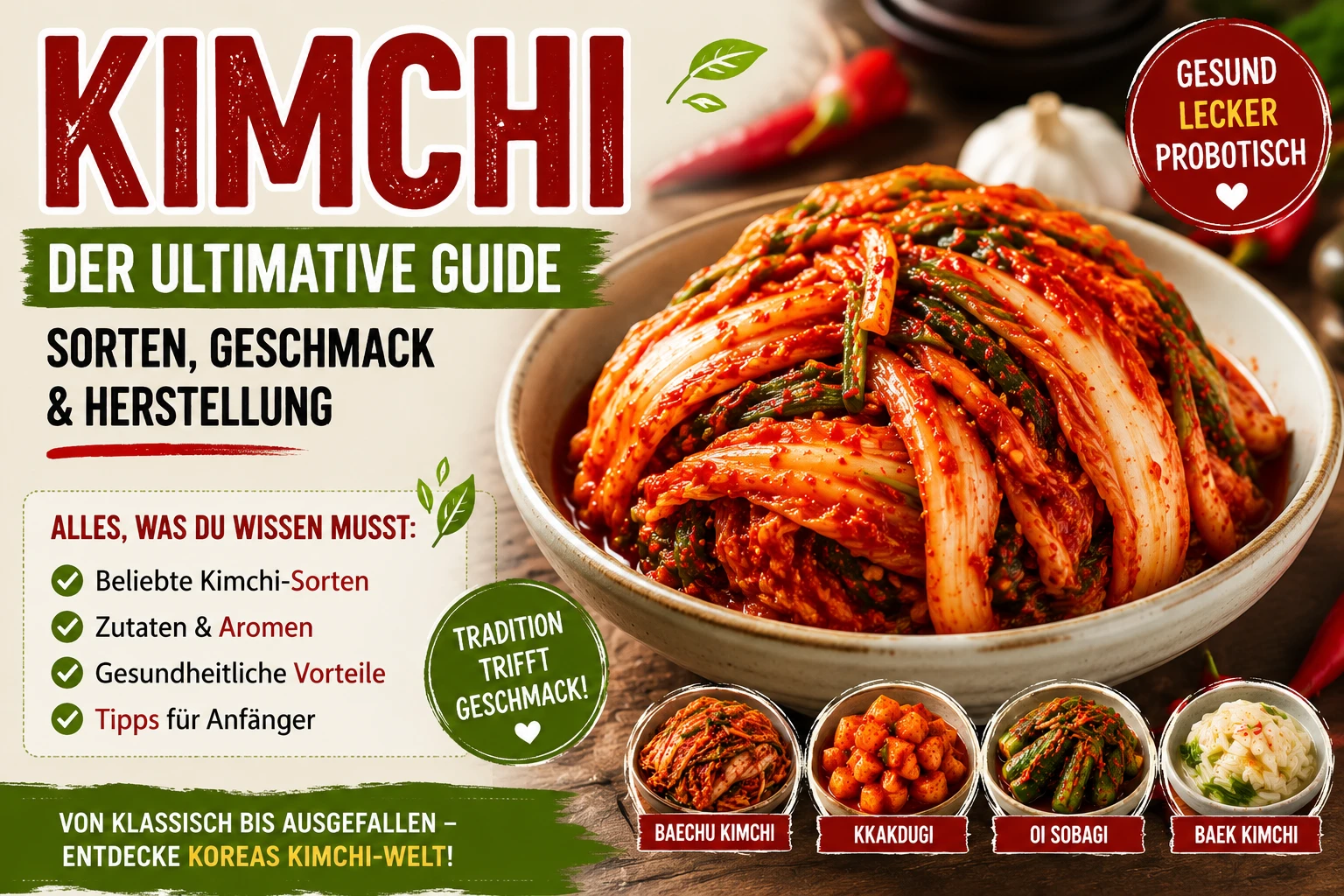
All 18+ varieties, compared side by side.
See all types →Baek Kimchi FAQ
Baek kimchi, literally “white kimchi,” is a non-spicy Korean kimchi made entirely without gochugaru (chili powder). Salted napa cabbage is layered with radish, fruit and mild seasonings, then fermented submerged in a light brine rather than a thick chili paste, so both the cabbage and the brine itself are eaten.
In the sense that matters here, yes. Chili peppers only reached Korea in the late 16th to 17th century, so any kimchi made before that point was necessarily chili-free. Baek kimchi sits in that older, non-spicy lineage, while the red, gochugaru-based kimchi most people picture today is a comparatively later development.
Mild, clean and lightly tangy rather than hot — a balance of salty, faintly sweet (from the pear, jujube and a touch of sugar) and sour as fermentation progresses. There’s no chili heat at all, so the vegetable and fruit flavors come through clearly.
Baek kimchi is commonly recommended for children, older family members, and anyone avoiding spicy food precisely because it carries none of the chili heat of standard kimchi, while still being a fermented, probiotic-rich side dish.
Both are non-spicy “water kimchi” fermented in a clear brine, but the main vegetable differs: baek kimchi is built around napa cabbage stuffed with fillings, while dongchimi is a whole-radish water kimchi with a thinner, more soup-like brine traditionally served in winter.
No — they’re traditional additions that add mild sweetness and a special-occasion feel, but the kimchi still works with just cabbage, radish, pear and the aromatics if those ingredients aren’t available to you.
This is KimchiGuide’s own kitchen-tested version of baek kimchi, built from the standard technique described across Korean food references — salting, stuffing, and brine fermentation — rather than a single named family or regional document. Treat it as a reliable, technique-sound starting point.