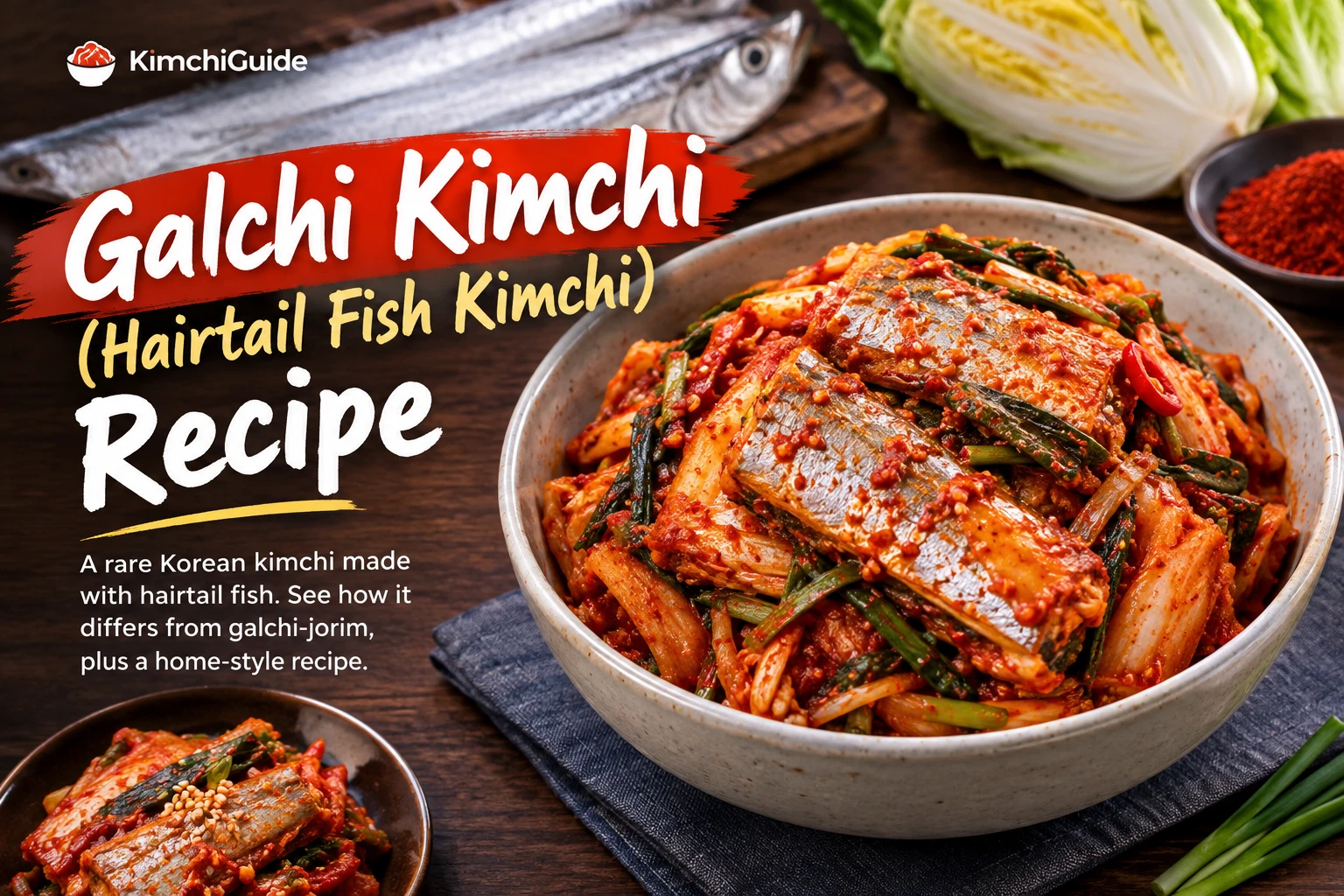
Galchi KimchiHairtail Fish Kimchi — What It Actually Is
Almost every kimchi uses fish as a seasoning. Galchi kimchi flips that: hairtail fish is the main ingredient, fermented the way radish or cabbage would be — not braised, not a stew. Here’s what it actually is, how it’s genuinely different from the much more common galchi-jorim, and a home-style adaptation recipe.

What Is Galchi Kimchi?
In one sentence: Galchi kimchi is a rare Korean fermented dish in which salt-cured hairtail fish, not a vegetable, is the main ingredient layered into a standard kimchi seasoning paste.
Galchi kimchi is a rare kimchi from Korea’s coastal provinces where hairtail fish (galchi) is the main fermented ingredient, not a background seasoning the way fish sauce or salted shrimp usually is. The fish is salt-cured first to firm it up, then layered into a standard kimchi seasoning paste with radish and other vegetables, and left to ferment the same way kkakdugi or baechu kimchi would. It is not the same dish as galchi-jorim (a braised, cooked hairtail stew) — that confusion is common enough that it’s worth stating plainly upfront. Because it’s a true niche, coastal specialty, there’s no single widely-published traditional recipe; the version further down this page is KimchiGuide’s own kitchen-tested home-style adaptation, not a transcribed heritage recipe.
Galchi Kimchi vs Galchi-Jorim
Search for “galchi kimchi” and almost everything that comes up is actually galchi-jorim — a completely different, much more common dish. Here’s the real distinction.
Key Terms — Galchi Kimchi & Fish Fermentation
Ingredients
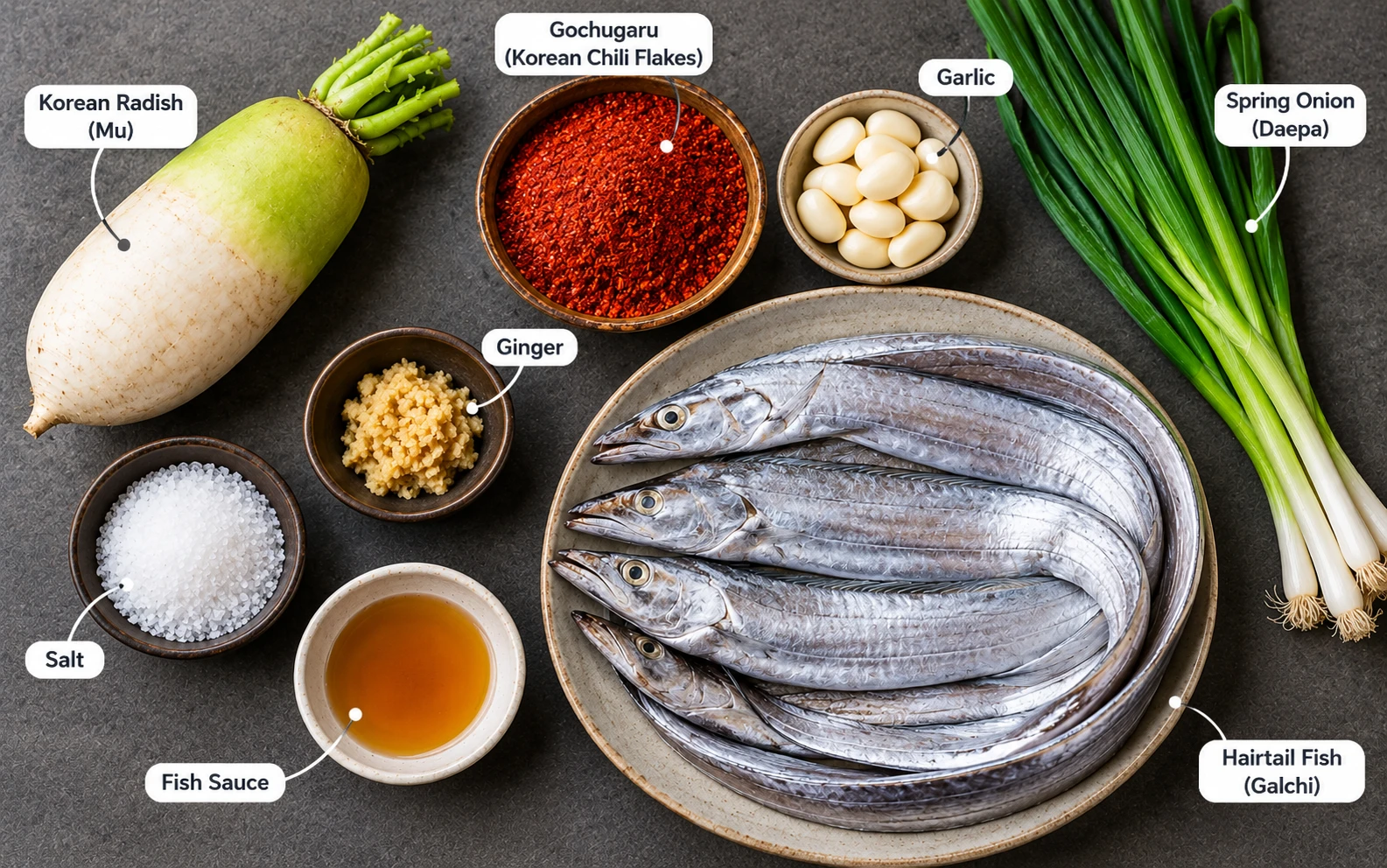
🛒 Shop This Recipe
Fresh hairtail fish itself is best sourced from a Korean or Asian grocer (frozen sections carry it under “hairtail” or “beltfish”) — Amazon doesn’t really sell fresh/frozen whole fish this way. Everything else in the paste is a normal Korean pantry staple.
| 🇺🇸 United States — amazon.com | ||
|---|---|---|
| Item | Why You’d Want It Here | |
| Coarse Gochugaru | A coarse-cut Korean chili flake sized right for kimchi paste, the same base used here. | 🛒 View on Amazon |
| Chung Jung One Anchovy Fish Sauce | A standard Korean anchovy fish sauce — the salty backbone of the seasoning paste. | 🛒 View on Amazon |
| Korean Salted Shrimp Sauce (Saeujeot) | The minced salted shrimp this recipe calls for, ready-to-use out of the jar. | 🛒 View on Amazon |
| Korean Sweet (Glutinous) Rice Flour | For the porridge base that thickens the paste and helps it cling to the fish. | 🛒 View on Amazon |
| LockandLock Airtight Kimchi Container | A press-plate container to keep everything submerged through the 2-3 day ferment. | 🛒 View on Amazon |
| 🇬🇧 United Kingdom — amazon.co.uk | ||
|---|---|---|
| Item | Why You’d Want It Here | |
| Gochugaru Chilli Pepper Flakes | A UK-available Korean gochugaru, freshly sourced for kimchi use. | 🛒 View on Amazon |
| Sempio Anchovy Sauce | A Korean anchovy-based fish sauce that covers the same role as myeolchi aekjeot in the paste. | 🛒 View on Amazon |
| Glutinous Rice Flour | UK-stocked sweet rice flour, customer-reviewed specifically for Korean kimchi use. | 🛒 View on Amazon |
| e-jen Kimchi Fermentation Container | A vacuum-lid stoneware-style container built specifically for kimchi fermentation. | 🛒 View on Amazon |
As an Amazon Associate, KimchiGuide earns from qualifying purchases. US links use Amazon.com (tag: kimchiguide-20); UK links use Amazon.co.uk (tag: kimchiguide-21). Prices and availability may change; we could not source a UK-specific saeujeot (salted shrimp) listing at time of writing — the Amazon.co.uk search for “saeujeot” is a reasonable starting point.

“Fermenting raw fish is a real, established food-safety practice in Korean cuisine, but it carries more risk than vegetable-only kimchi if the fish isn’t genuinely fresh or the salt-cure step is skipped or rushed. This is a good dish to learn hands-on from someone experienced the first time, rather than attempting solely from a written recipe.”
How Galchi Kimchi Is Made
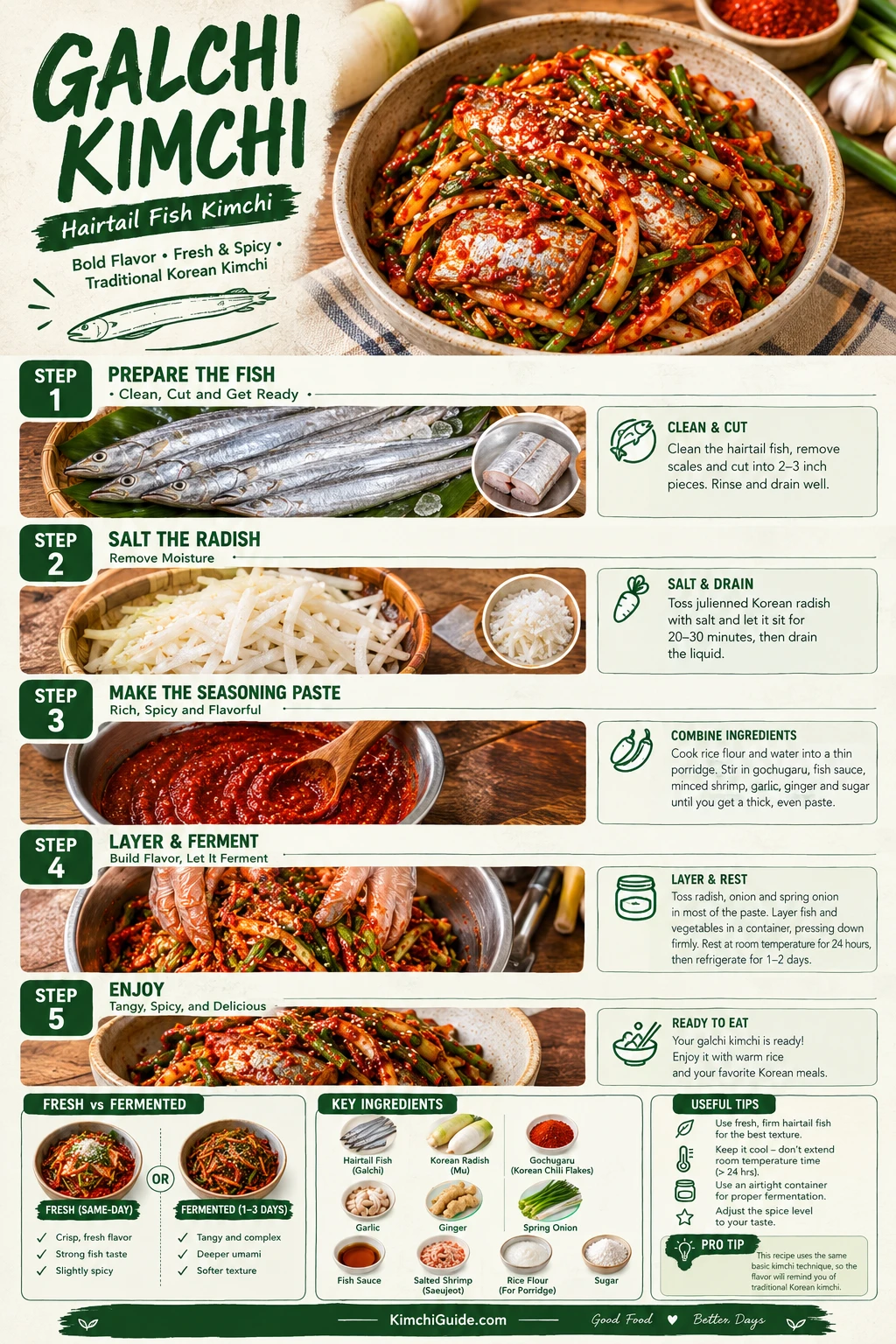
Four stages: clean and cure the fish, salt the radish, build a standard kimchi paste, then layer and ferment.
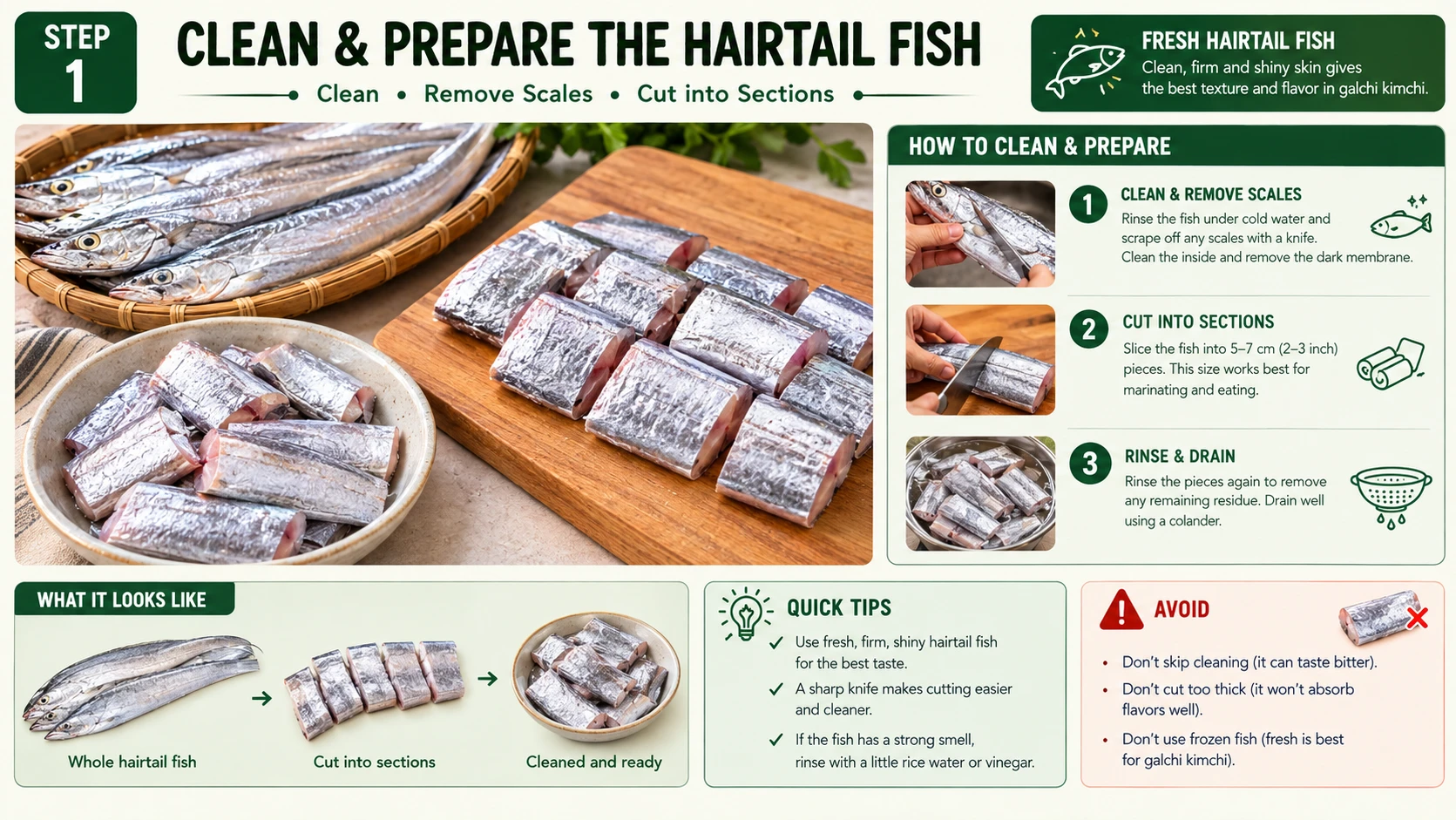
Clean, scale, and section the fish, removing fins and innards. Rub coarse salt evenly over every piece and refrigerate for 2–3 hours — this firms the flesh so it holds together through fermentation instead of breaking down.
Rinse the salt off lightly and pat the fish dry before moving on. Use the freshest hairtail you can source; this is not a dish to make with fish that’s been sitting more than a day.
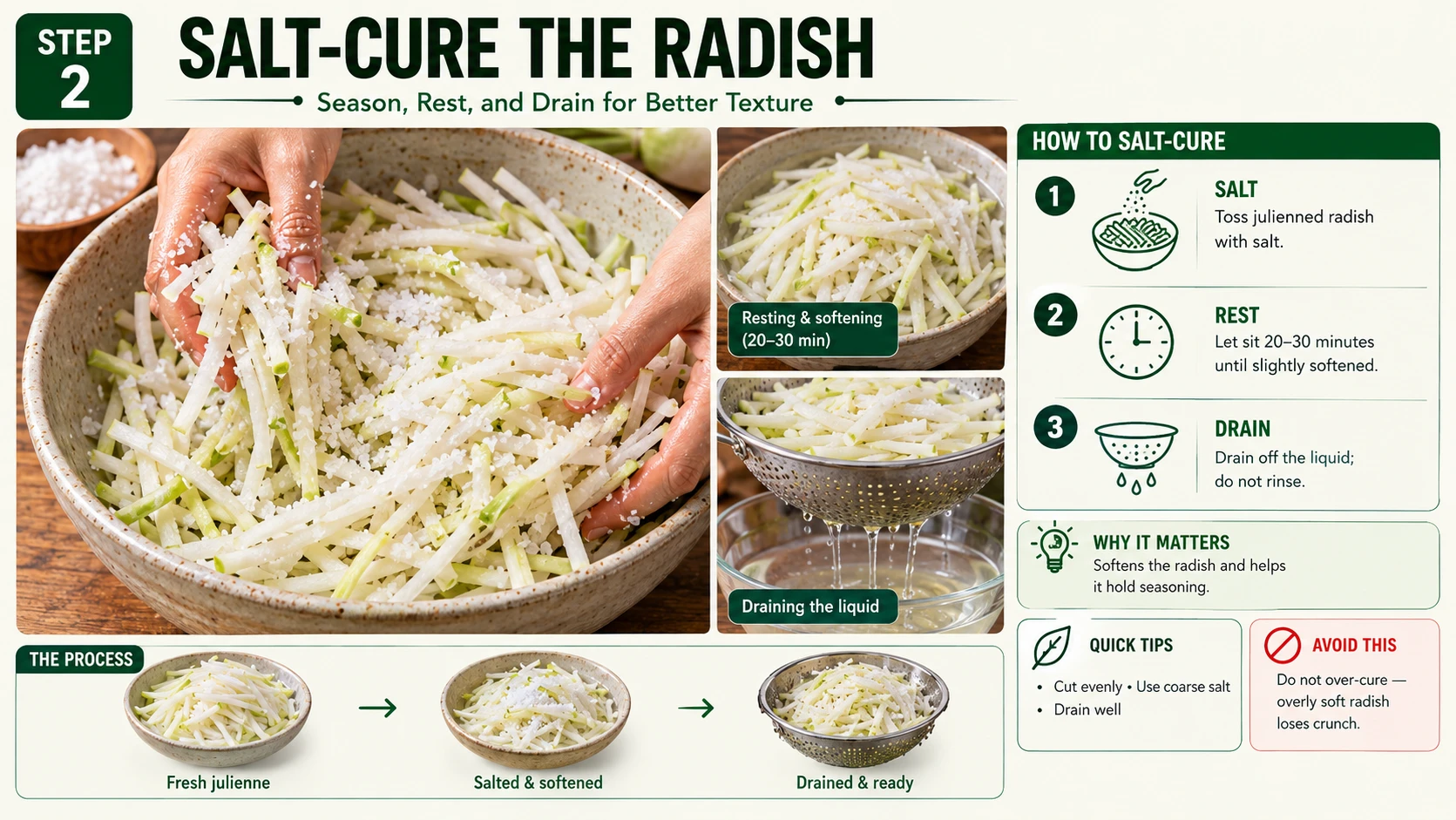
While the fish cures, toss the radish matchsticks with salt and let them sit for 20–30 minutes until slightly softened, then drain off the liquid they release.
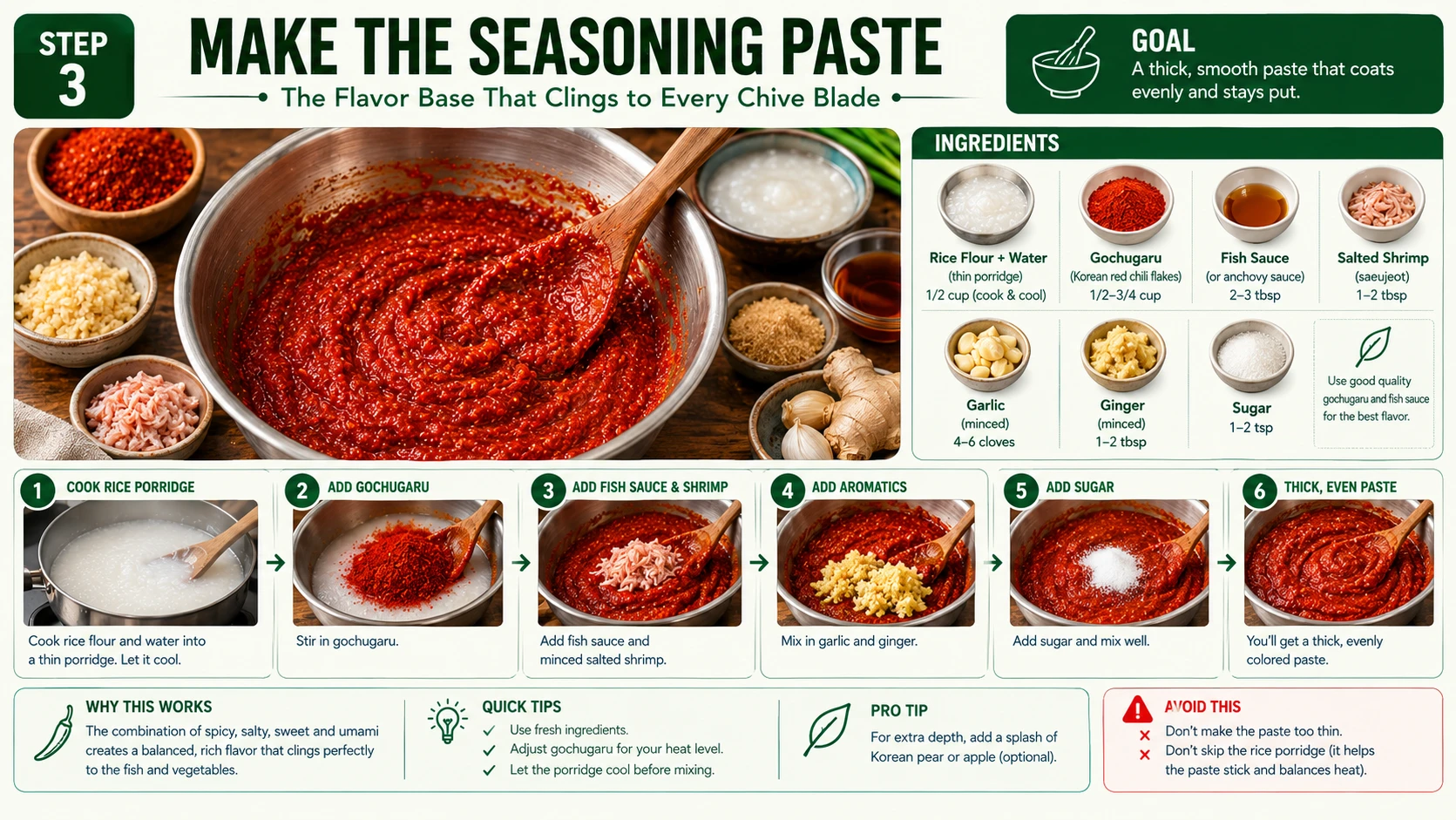
Cook the rice flour and water into a thin porridge and let it cool. Stir in the gochugaru, fish sauce, minced salted shrimp, garlic, ginger, and sugar until you have a thick, evenly colored paste — this is the same base technique used across most standard kimchi varieties.
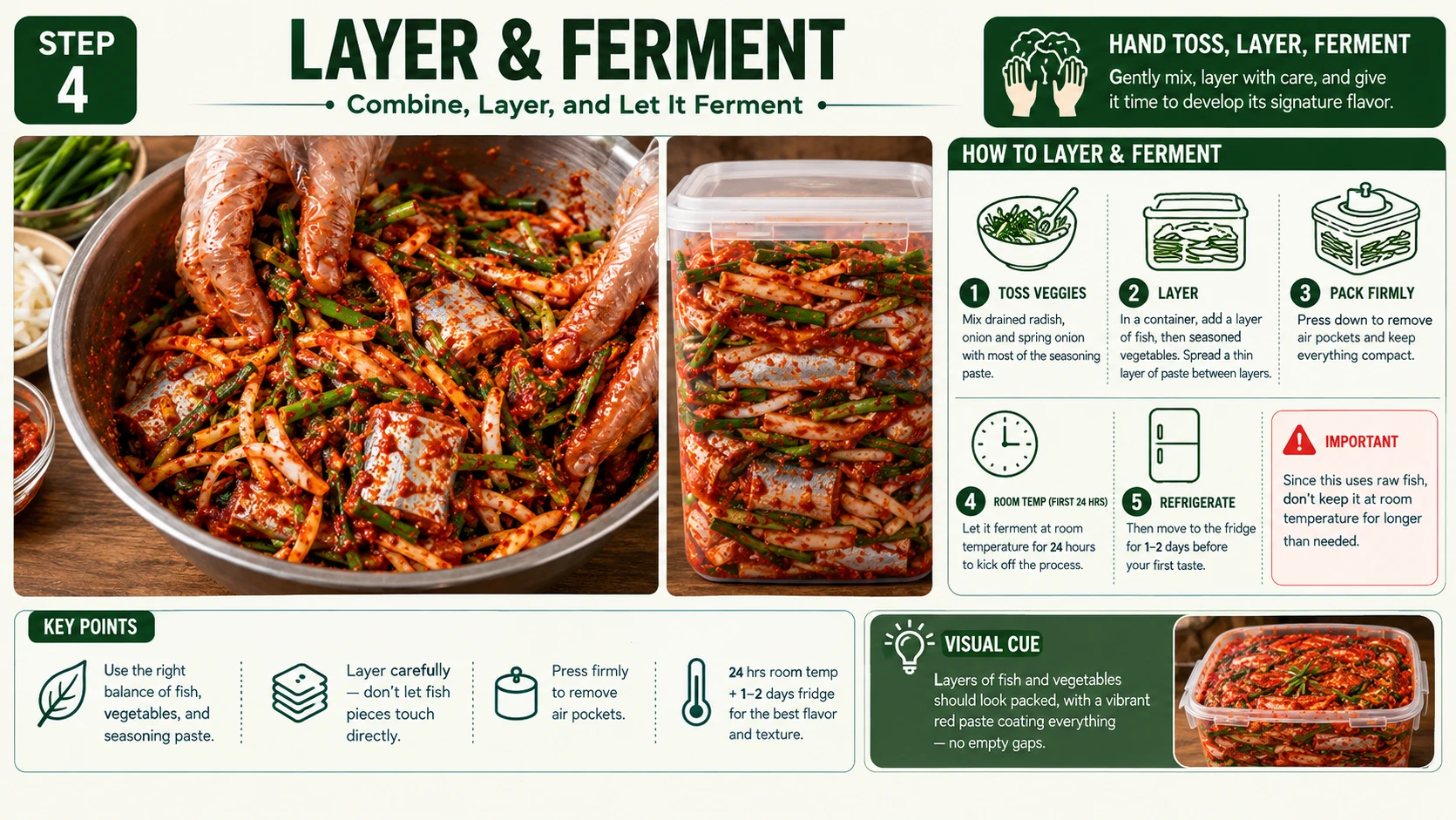
Toss the drained radish, onion, and spring onion in most of the seasoning paste. In your fermentation container, layer the fish pieces and the seasoned vegetables, spreading a thin layer of paste between each layer of fish so pieces aren’t touching directly.
Pack everything down firmly, rest at room temperature for 24 hours to kick off fermentation, then move to the refrigerator for another 1–2 days before your first taste. Because this involves raw fish, don’t extend the room-temperature rest longer than needed to get fermentation started.
Tools Used in This Recipe
Beyond the seasoning ingredients above, four pieces of equipment actually make each step of this recipe work — from scaling the fish to fermenting the finished kimchi.
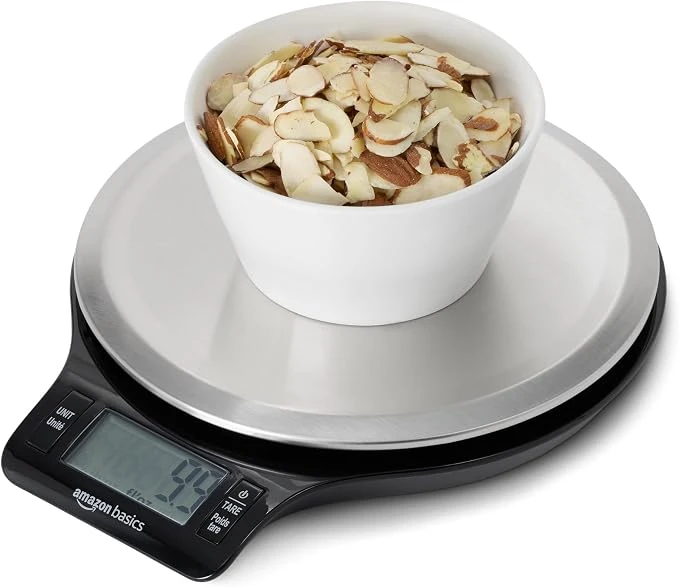

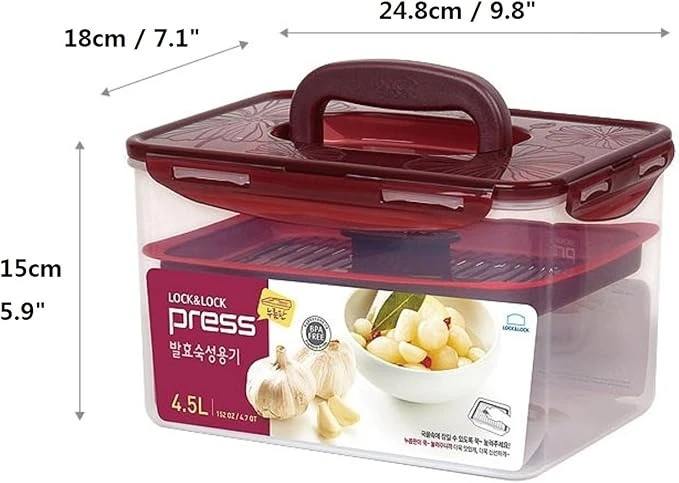
As an Amazon Associate, KimchiGuide earns from qualifying purchases. None of these tools are required exactly as pictured — any fish scaler, kitchen scale, food-safe gloves, and airtight container will do the same job.
Galchi Kimchi
Home-style adaptation · Hairtail fish · 2–3 days total
- 500g fresh hairtail fish, cleaned and sectioned
- 3 tbsp coarse salt (for the fish)
- 400g Korean radish, julienned
- 1 tbsp coarse salt (for the radish)
- 1/3 cup gochugaru
- 3 tbsp fish sauce + 1 tbsp minced salted shrimp
- 5 cloves garlic, minced + 1 tsp ginger, minced
- 1 tbsp sugar
- 1 small onion, sliced + 3 spring onions, cut
- 2 tbsp glutinous rice flour + 1/2 cup water
- 1Clean and section the fish; salt-cure 2–3 hours in the fridge, rinse lightly, pat dry.
- 2Salt the radish 20–30 min, drain.
- 3Cook rice flour porridge, cool, stir in gochugaru, fish sauce, shrimp, garlic, ginger, sugar.
- 4Toss vegetables in most of the paste; layer fish and vegetables with paste between layers.
- 5Pack tightly, rest 24 hrs room temp, then refrigerate 1–2 more days before serving.
Per serving (4 servings total). Nutrition is estimated; fish-based servings vary more than vegetable kimchi by portion cut.
Related Fish & Heritage Kimchi
Galchi kimchi sits in a small category of coastal, fish-forward kimchi varieties — here’s where to go next.
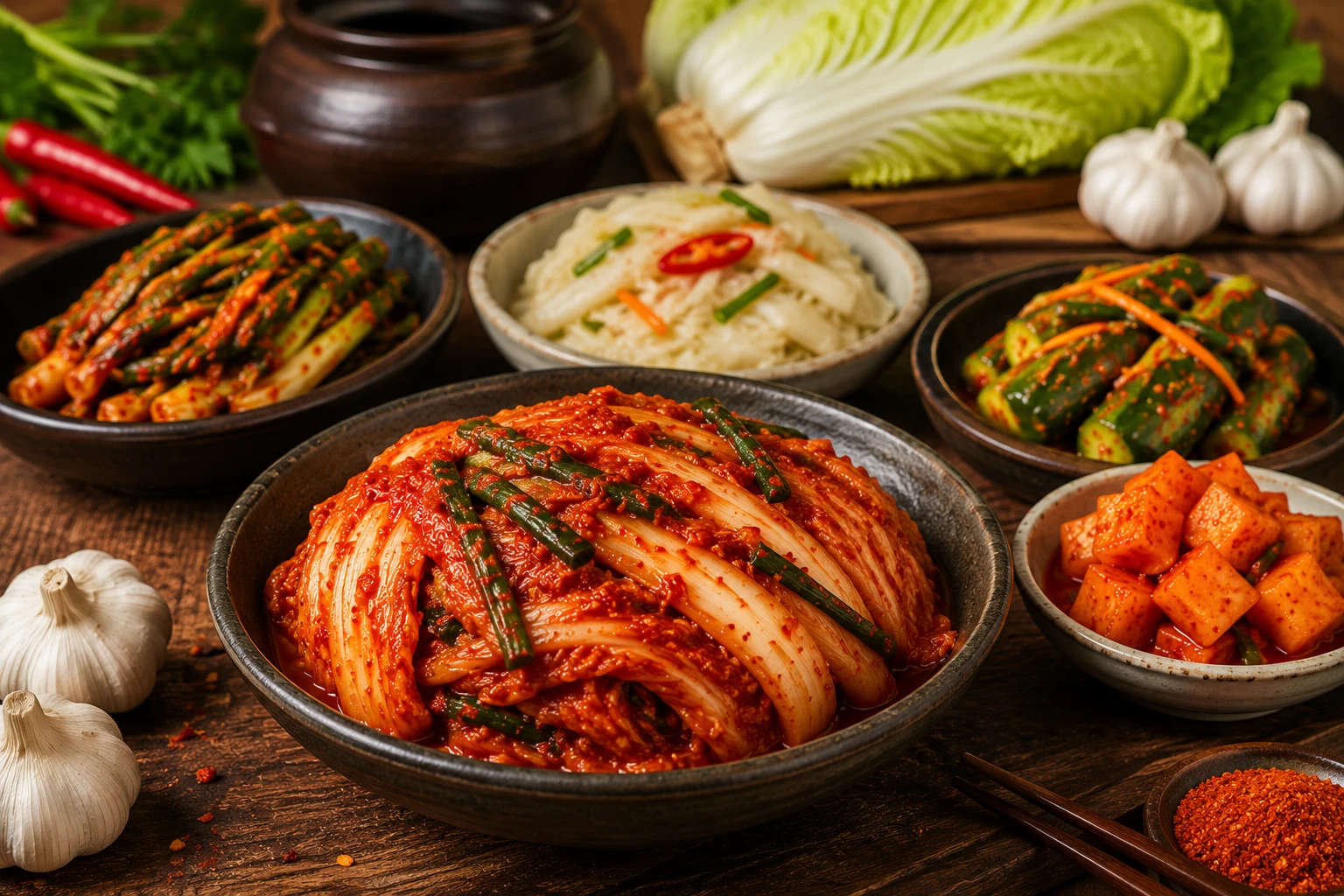
The full category this dish belongs to, including dongtae kimchi.
See the section →
The closest documented relative — same technique, pollock or cod instead of hairtail.
Read the guide →Another rare, special-occasion kimchi — luxury wrapped cabbage from Gaeseong.
Read the guide →
All 18+ varieties, compared side by side.
See all types →Galchi Kimchi FAQ
Galchi kimchi is a rare Korean kimchi from coastal provinces where hairtail fish (galchi) is the main fermented ingredient, not just a seasoning added to a vegetable base. The fish is salt-cured and layered directly into a standard kimchi seasoning paste alongside radish and other vegetables, then fermented.
No, and this is the single most common mix-up with this dish. Galchi-jorim is a braised, cooked stew of hairtail fish and radish served hot the same day. Galchi kimchi is fermented and eaten cold, closer in method to kkakdugi or baechu kimchi than to any braised dish.
It’s a genuine coastal-region specialty, traditionally made only where fresh hairtail is caught locally, and it never became a mass-market product the way napa cabbage or radish kimchi did. It’s essentially unknown outside Korea’s coastal provinces or a small number of specialty restaurants.
It carries the same base flavor as a standard kimchi paste — spicy, garlicky, tangy as it ferments — with a distinct savory, oceanic depth from the fish that a vegetable-only kimchi doesn’t have. The fish holds its texture rather than falling apart, since salt-curing firms it before fermentation starts.
The recipe on this page is KimchiGuide’s own kitchen-tested home-style adaptation, built from general descriptions of how galchi kimchi is made (salt-cured fish layered into a kimchi paste) rather than a single transcribed traditional family or regional recipe, since no widely documented step-by-step version could be sourced. Treat it as a reasonable starting point, not a claim of historical authenticity.
Dongtae kimchi is the closest documented relative, made the same way but with pollack or cod instead of hairtail — a firm, mild white fish is the general substitution direction if hairtail isn’t available, though the flavor and texture will differ somewhat.
Salt-curing before fermentation, combined with the rapid pH drop from lactic acid fermentation, is the same food-safety mechanism that makes other fermented Korean fish products safe when made correctly — but this is a higher-risk preparation than vegetable-only kimchi, and freshness of the fish matters enormously. If you’re unsure about sourcing or technique, this is a dish worth learning hands-on from someone experienced rather than from a written recipe alone.