Kimchi Fried Rice All 11 Variations Compared — Nutrition, Method & Tools
Eleven ways to make kimchi fried rice, side by side. Every variation shares the same aged-kimchi base — what changes is the protein, the cooking fat, and the technique. Compare calories, protein, difficulty, and equipment, then jump straight to the full recipe for the one that fits.
11 Kimchi Fried Rice Variations, One Base Technique
Kimchi fried rice — kimchi bokkeumbap (김치볶음밥) in Korean — is one of the most cooked dishes in Korean home kitchens, and this site now covers 11 tested variations built on a single shared technique. Every version starts the same way — Stage 3 aged kimchi (3-6 weeks fermented), gochujang, kimchi brine, and cold day-old short-grain rice stir-fried on high heat until the lactic acid caramelises through the Maillard reaction. What changes across the 11 variations is the topping or protein (egg, Spam, canned tuna, bacon, pork belly, crispy tofu, melted mozzarella, blanched-and-charred broccoli) and, in a few cases, the cooking fat itself. Calories range from 180 (cauliflower, low-carb) to 610 (pork belly, the richest), and protein from 7g to 24g per serving depending on which protein carries the dish.
This page is a comparison hub, not a single recipe — think of it as the reference layer that sits above all 11 individual recipe pages. Use the decision tool below to get matched to a variation based on your dietary goals, or scroll through the nutrition, method, and equipment comparisons to make your own call. Every fact here traces back to the fully tested recipe on its own dedicated page, complete with step-by-step method, exact ingredient quantities, and printable recipe card.
History & Origin of Kimchi Fried Rice
Kimchi bokkeumbap doesn’t trace back to royal court cuisine or a single inventor — it grew out of household frugality, and that origin story explains why it has more variations than almost any other Korean rice dish.
Every Kimchi Fried Rice Variation
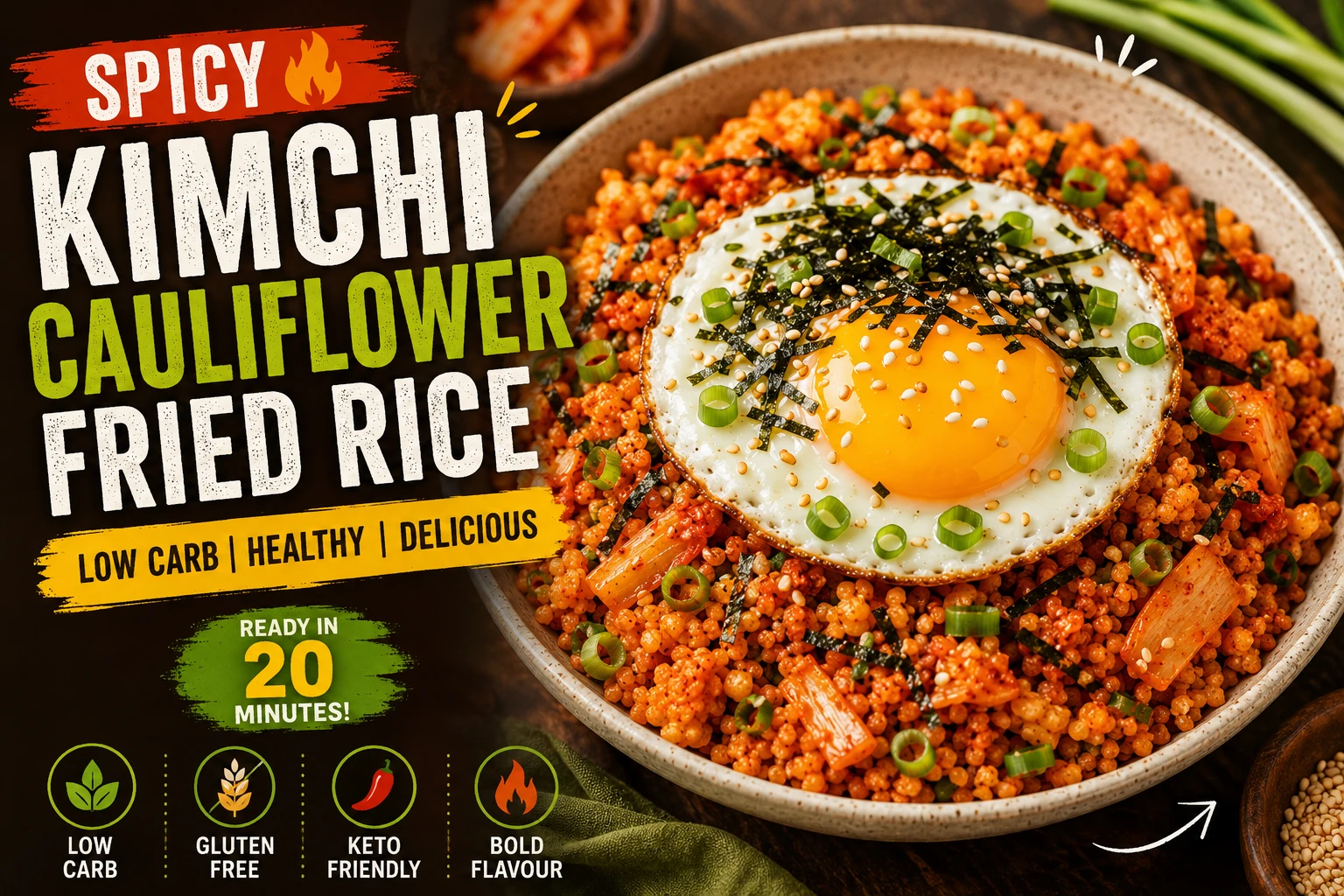
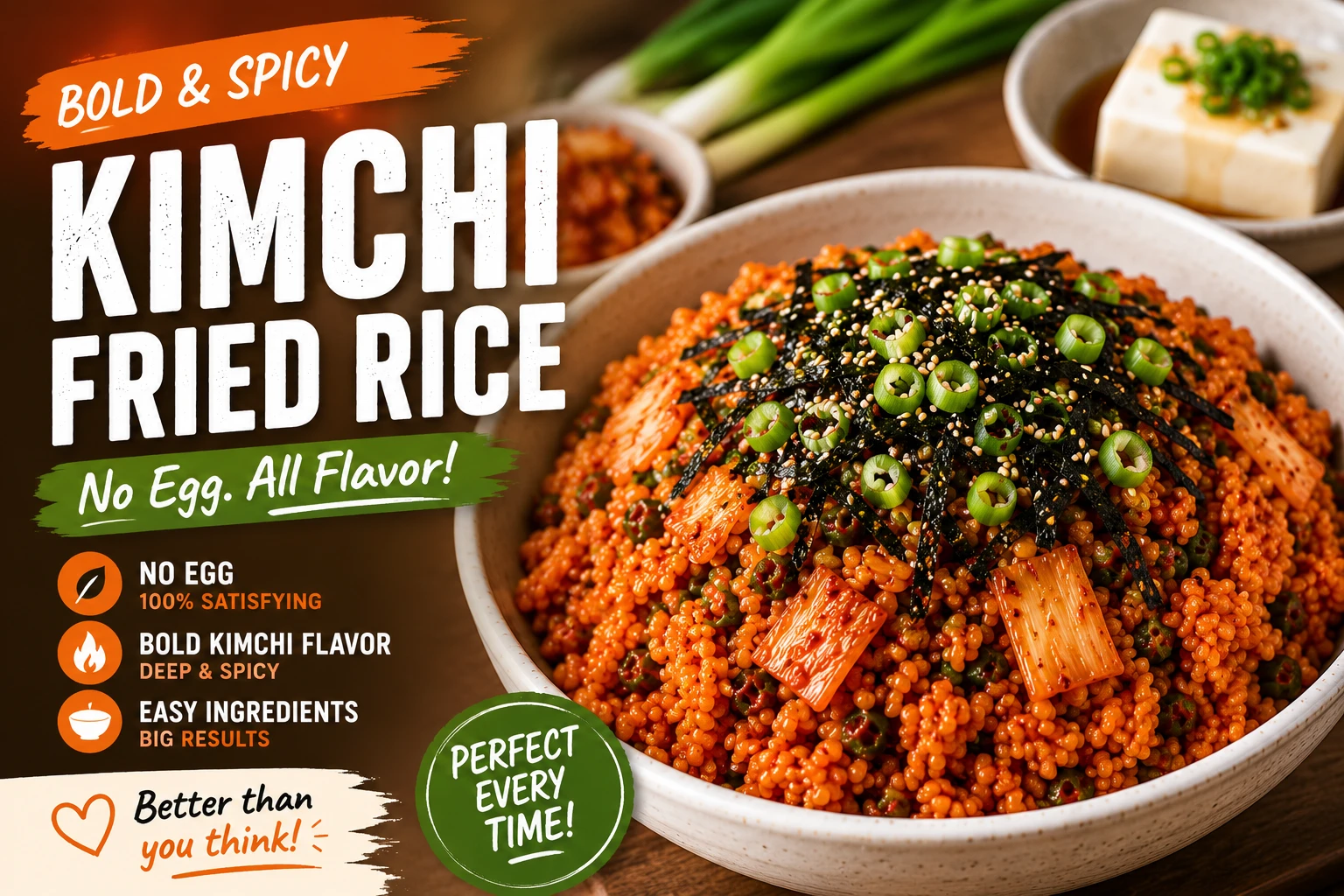
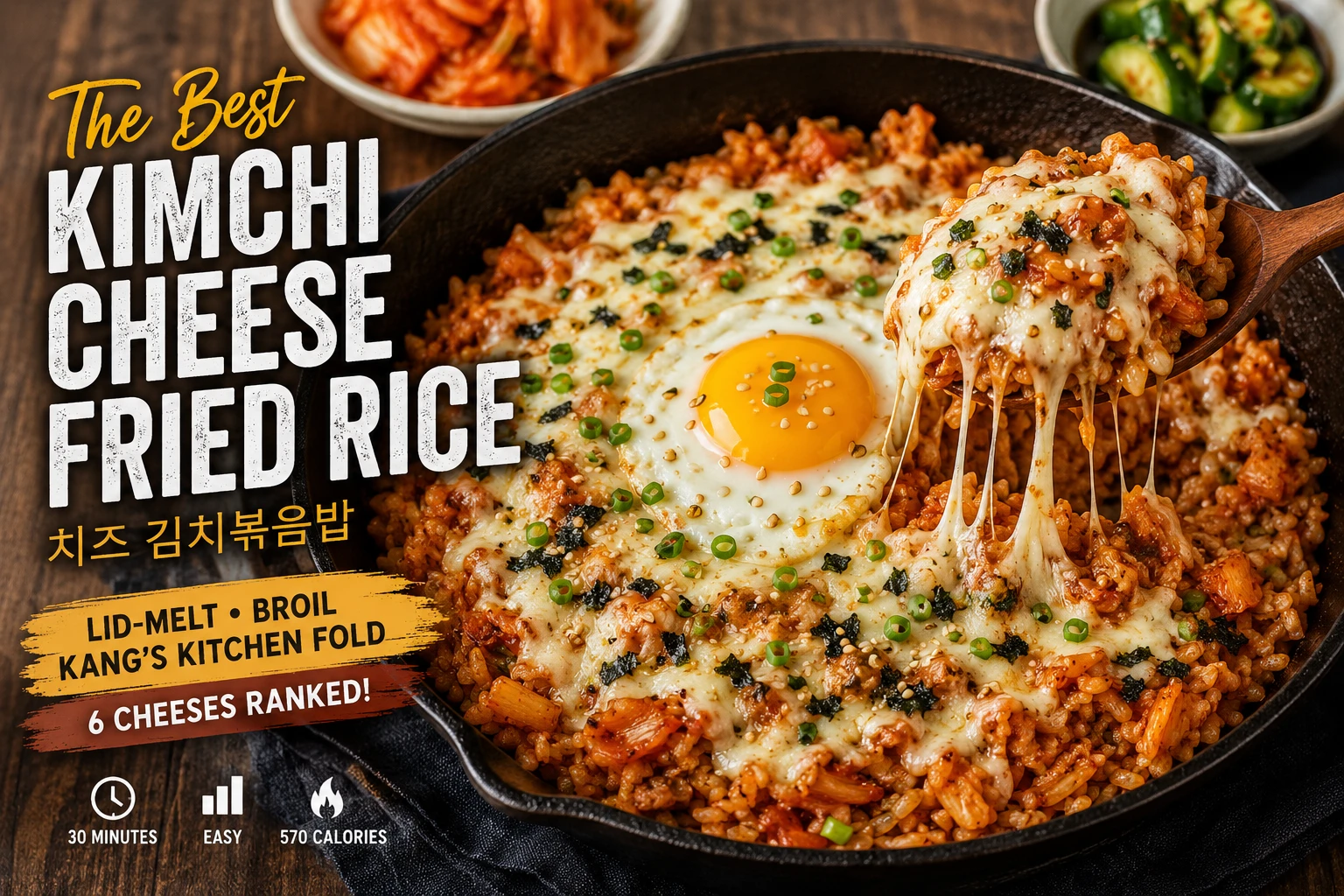
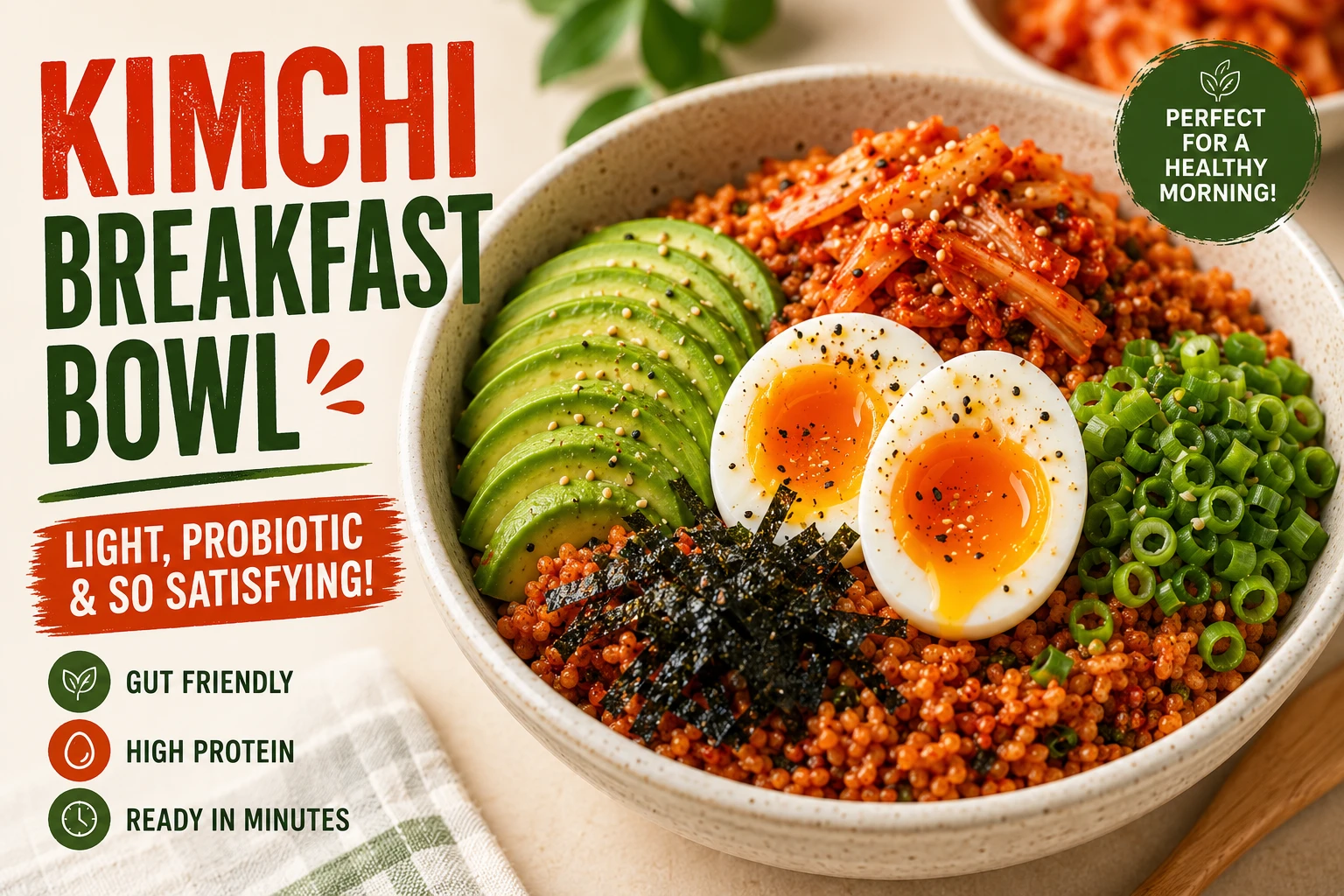
Same base technique, different protein and topping. The eleven variations below span the full range of Korean and Korean-fusion kimchi bokkeumbap styles — from the restaurant-standard classic with a runny fried egg, through army-base-era Spam and budae-style comfort food, to fully plant-based, low-carb, and high-fibre adaptations built for modern dietary needs. Tap any card for the full recipe, exact ingredient quantities, step-by-step method, and printable recipe card.
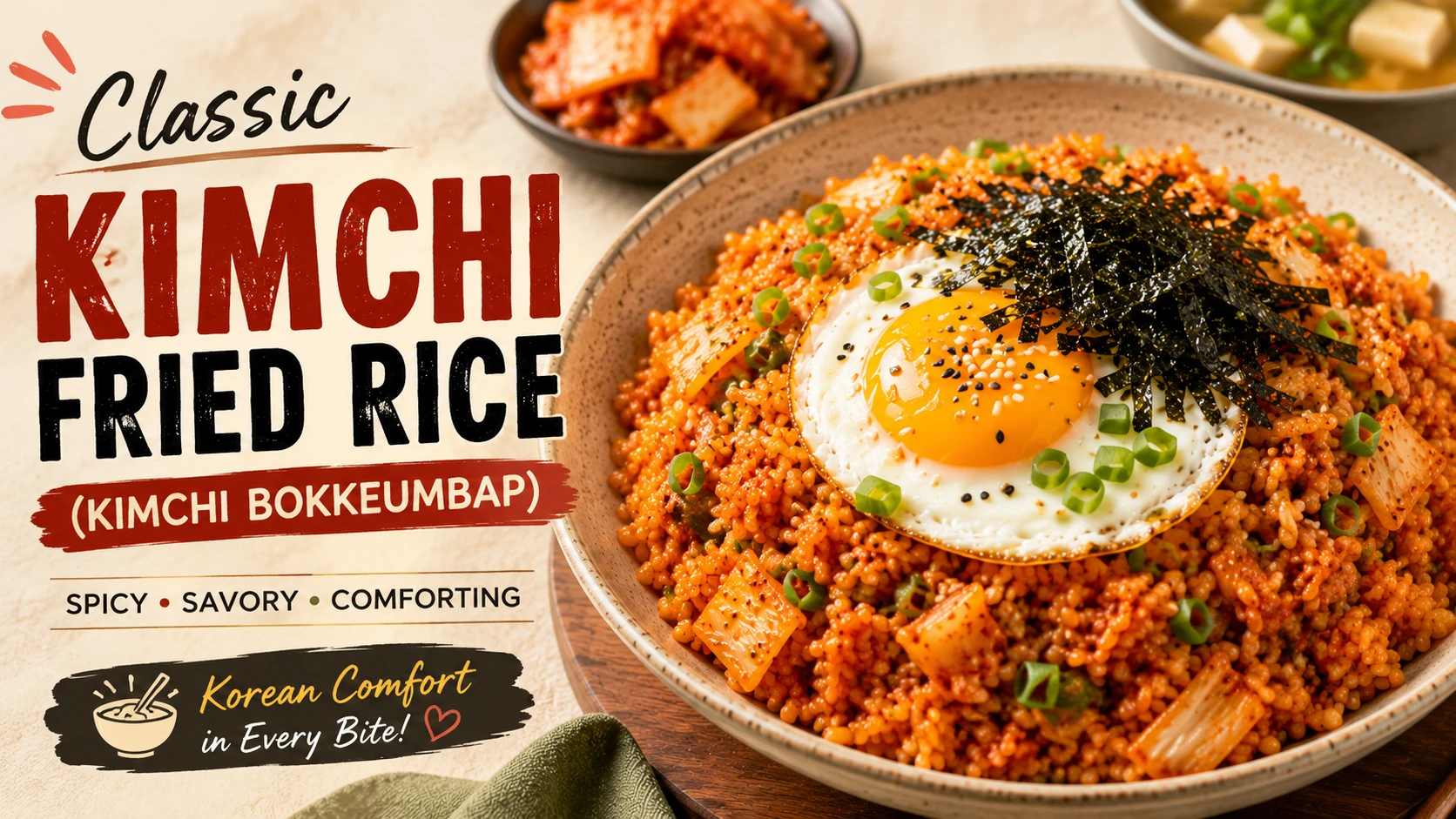
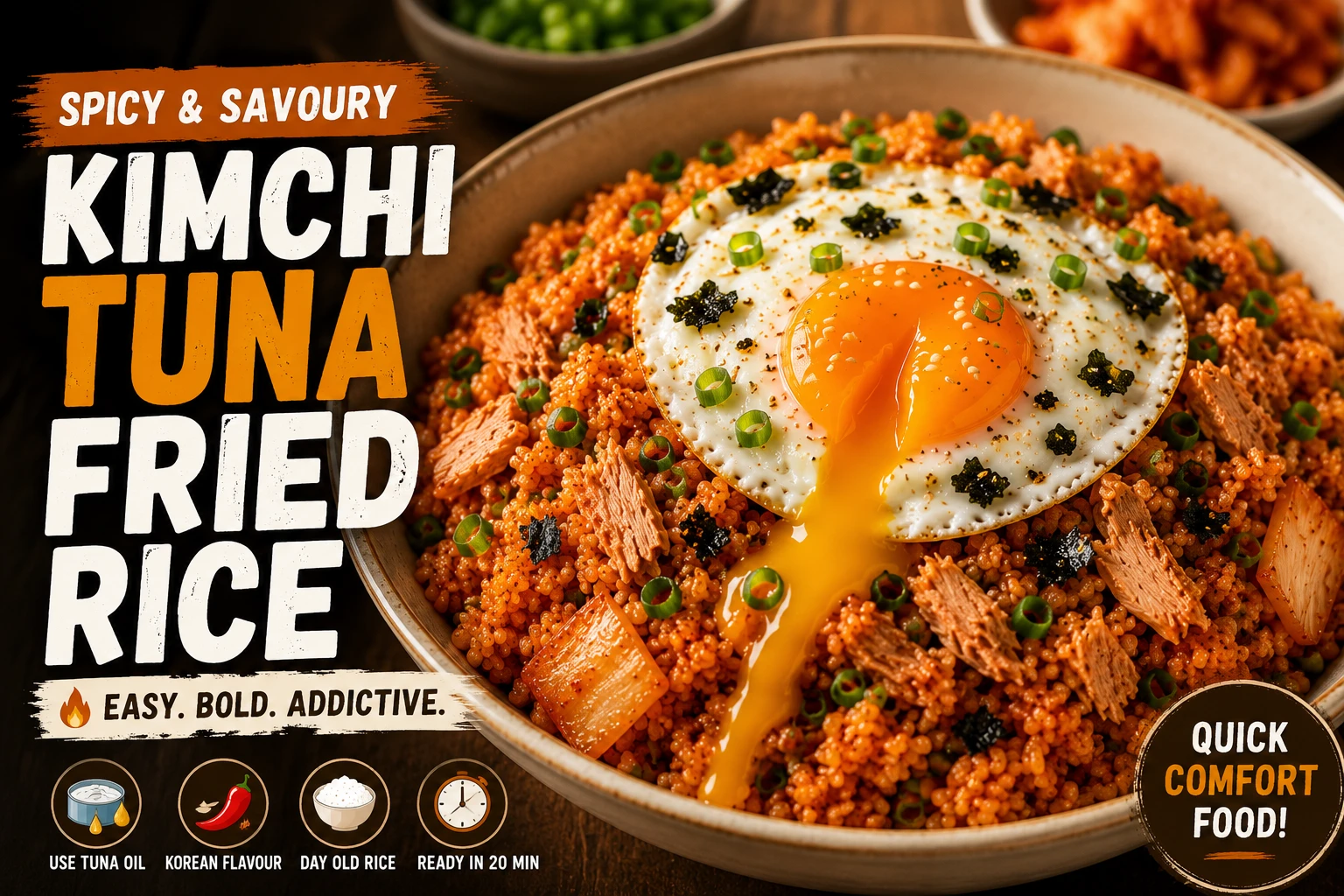
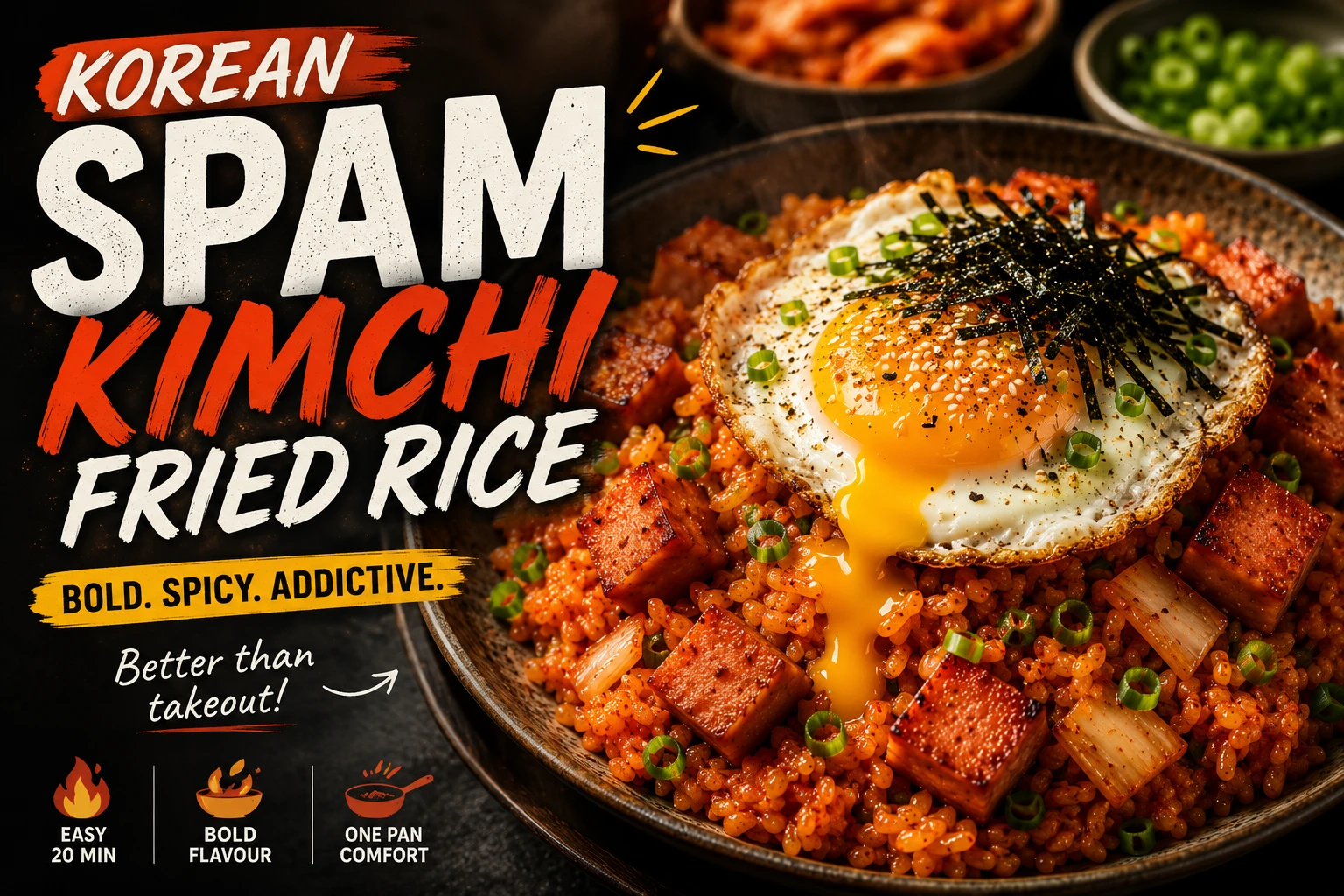
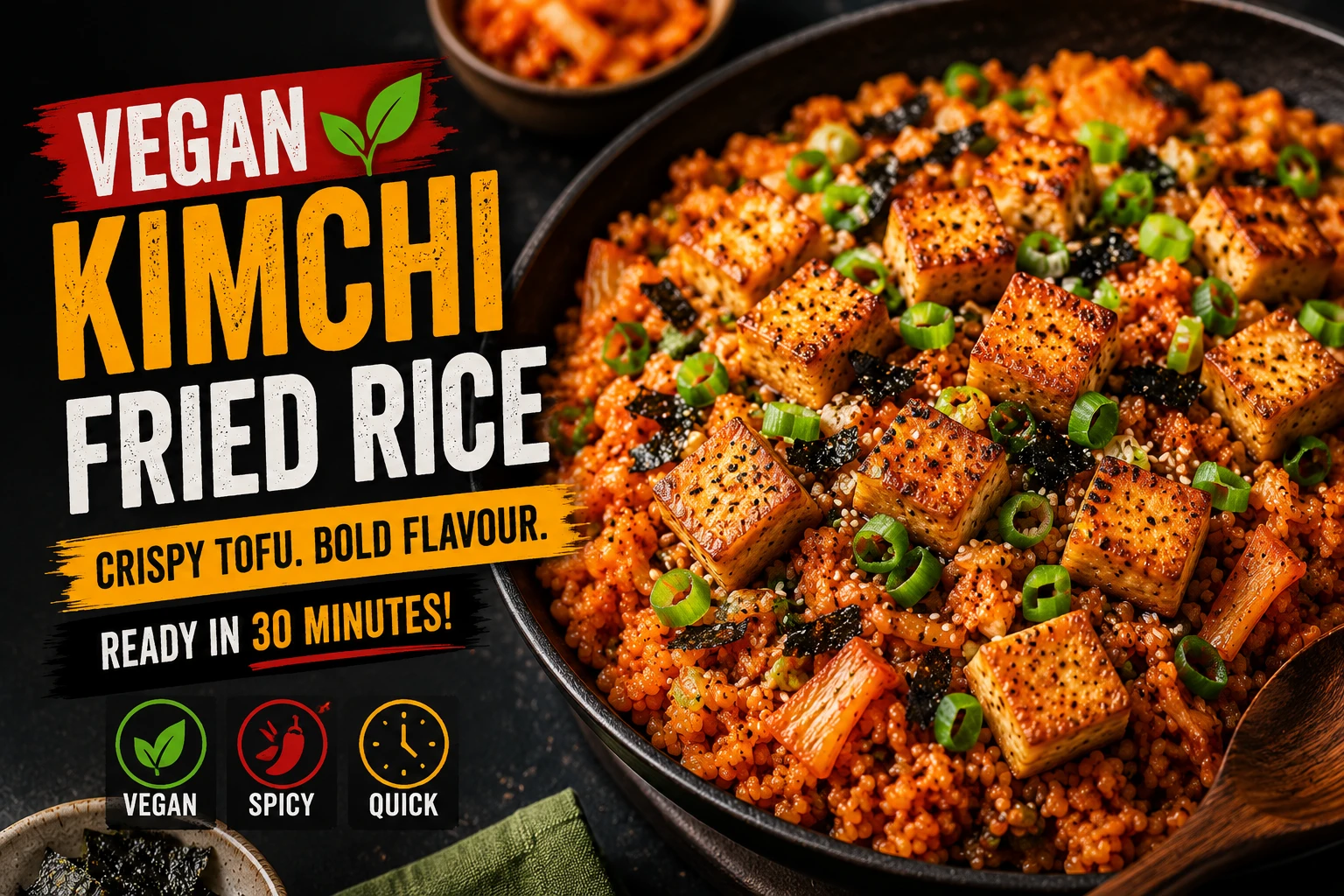
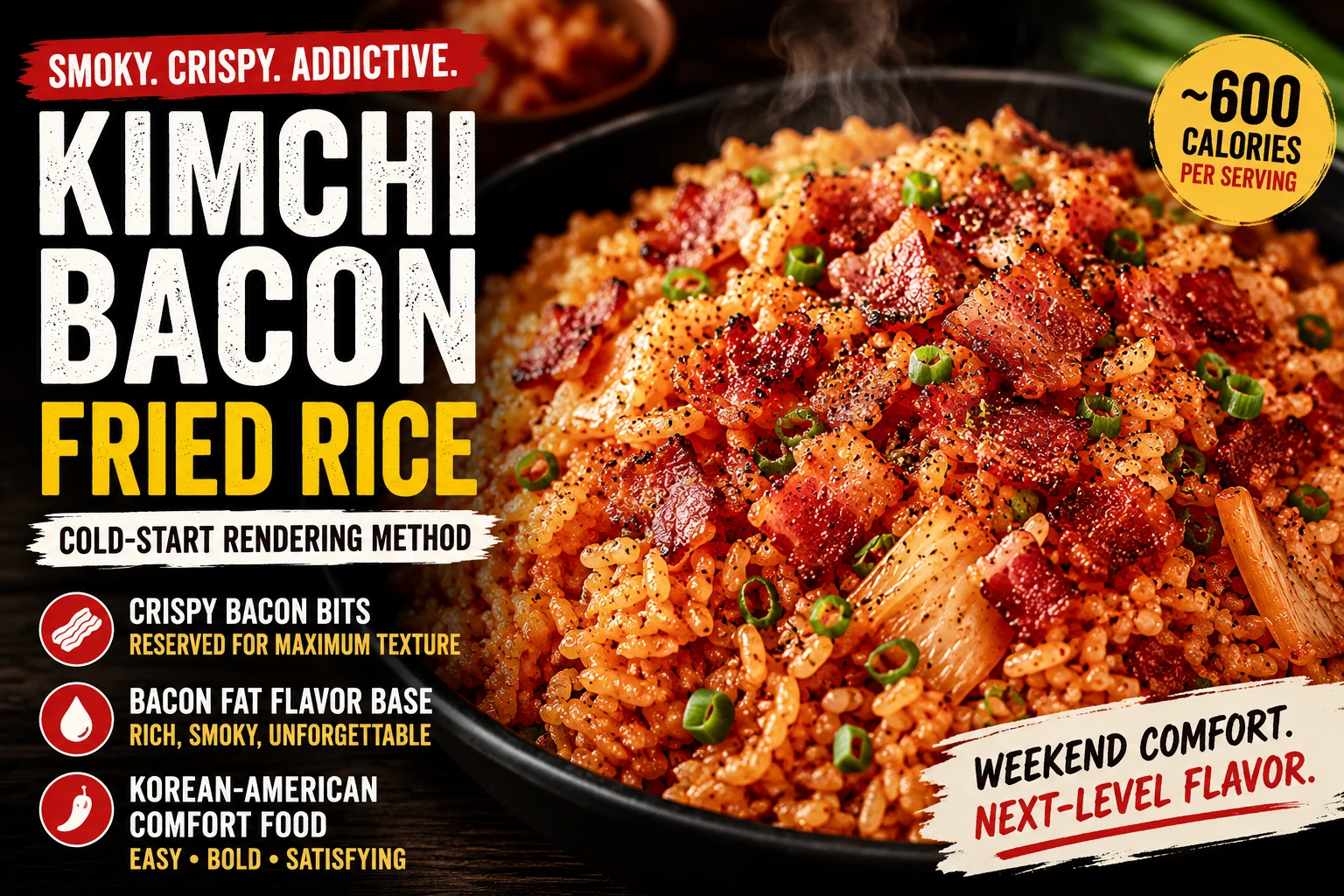


Kimchi Fried Rice vs Regular Fried Rice
Before comparing the 11 variations against each other, it’s worth understanding what separates kimchi fried rice as a category from the Chinese-American style fried rice most people picture first. The difference isn’t just an ingredient swap — the flavour-building logic is fundamentally different.
- Seasoning base: soy sauce, oyster sauce, light oil
- Flavour goal: neutral — lets protein and vegetables lead
- Fermentation involved: minimal to none
- Typical proteins: shrimp, chicken, char siu pork
- Signature technique: high-heat wok tossing
- Seasoning base: aged kimchi, gochujang, kimchi brine
- Flavour goal: aggressive fermented sour-umami depth
- Fermentation involved: central — Stage 3 lactic acid drives the whole dish
- Typical proteins: egg, Spam, tuna, bacon, pork belly, tofu, broccoli (this page’s 11)
- Signature technique: press-and-char on cast iron for nurungji crust
Both dishes share the high-heat, day-old-rice foundation — but kimchi fried rice’s flavour comes from fermentation chemistry rather than sauce layering, which is why the kimchi’s fermentation stage matters more here than any seasoning choice in a regular fried rice recipe.
Nutrition Comparison — All 11 Variations
Sorted lowest to highest calorie. The macronutrient spread across these eleven variations comes almost entirely from the protein or topping — carbohydrate content from the rice and kimchi base stays relatively consistent throughout, generally in the 50-60g range per serving, while fat and protein swing widely depending on whether the dish is built around egg, rendered animal fat, crispy tofu, melted cheese, or blanched vegetables. Save this chart if you’re meal planning across the week or tracking macros against a specific calorie, protein, or fibre target.
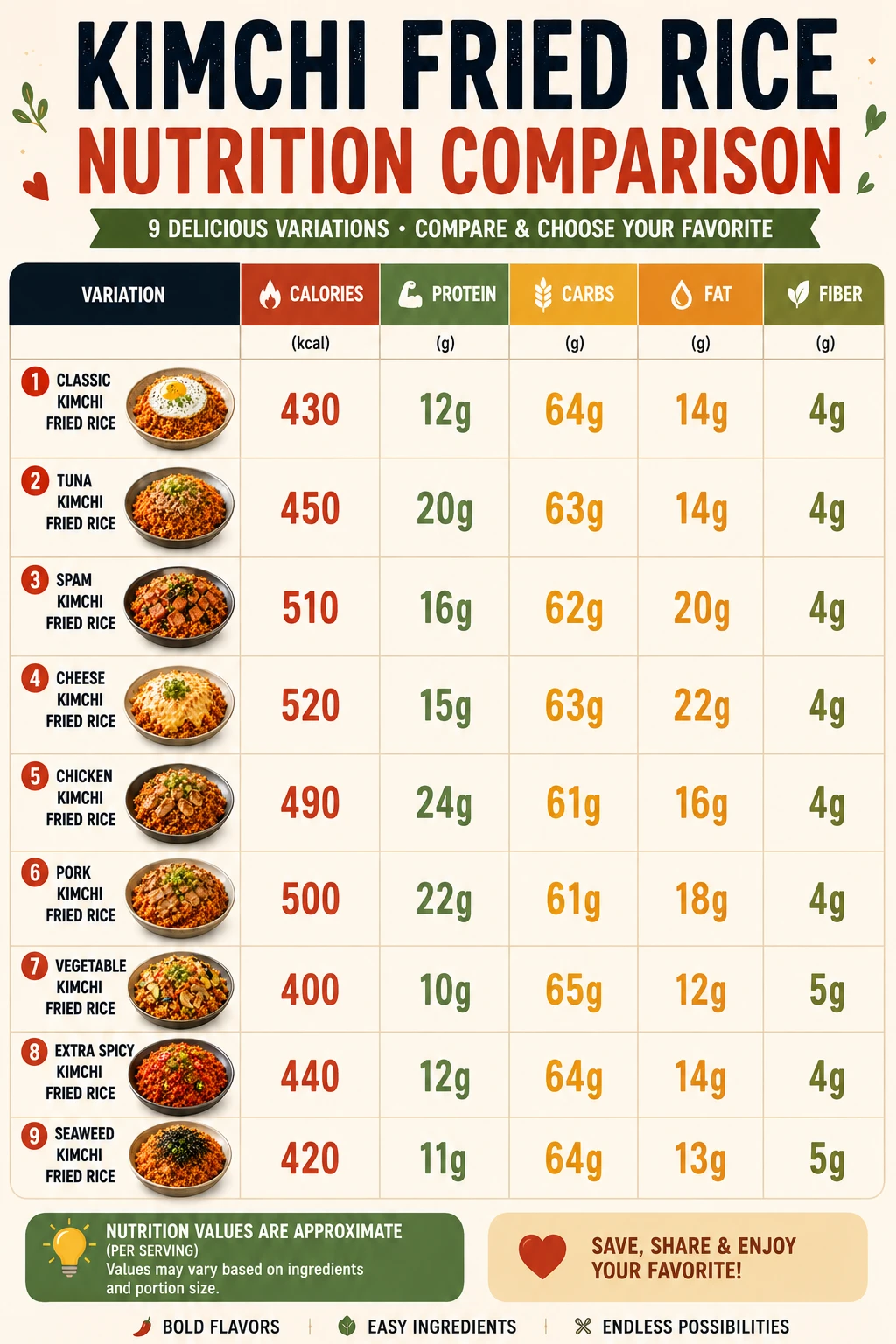
Save or pin this chart for quick reference while meal planning across the week. Cauliflower sits lowest at approximately 180 calories, roughly 60 percent below the classic recipe, because cauliflower rice replaces most of the carbohydrate load that regular short-grain rice would otherwise contribute. Pork belly, added September 2026, now sits highest at approximately 610 calories, driven by both the rendered cooking fat and the protein itself rather than the rice-and-kimchi base.
Every version shares roughly the same carbohydrate range from the fermented rice-and-kimchi base — generally 50 to 60 grams per serving — so the calorie and macronutrient spread you see across this chart comes almost entirely from the protein or topping choice layered on top, not from the aged kimchi, gochujang, or rice itself. This is a useful distinction if you’re comparing kimchi fried rice against other Korean rice dishes on a nutrition-tracking app: the base technique here is consistently moderate in calories, and the protein decision is what pushes any individual variation toward the lighter or richer end of the range.
Sodium also varies by variation — Spam, bacon, pork belly, and cheese run higher due to cured, salted, or fatty proteins, while classic and cauliflower stay comparatively moderate since kimchi brine is the main seasoning source rather than a second salty ingredient. The broccoli version, meanwhile, is the first variation to meaningfully stand out on fibre rather than protein or sodium — at 6g per serving it’s roughly double most of the others. If you’re tracking sodium specifically, the full per-variation breakdown is available on each individual recipe page linked from the table below.
| Variation | Calories | Protein | Vegan? | Gluten-Free? | Best For |
|---|---|---|---|---|---|
| Cauliflower | 180 | 10g | ✗ (egg) | ✓ | Lowest calorie, low-carb, keto-adaptable |
| Without Egg | 360 | 7g | ✗ (may use dairy) | ✓ (tamari) | Calorie control, simplest meal prep |
| Vegan | 380 | 14g | ✓ | ✓ (tamari) | Plant-based, egg-free protein |
| Breakfast Bowl | 380 | 15g | ✗ (egg, avocado) | ✓ (tamari) | Mornings, lighter portion |
| Broccoli (new) | 390 | 13g | ✗ (egg) | ✓ | Highest fibre (6g), vegetable-forward |
| Tuna | 410 | 22g | ✗ | ✓ | Highest protein-to-calorie ratio |
| Classic | 420 | 14g | ✗ | ✓ (tamari) | All occasions, first attempt |
| Cheese | 570 | 19g | ✗ | ✓ | Entertaining, kid-friendly |
| Spam | 580 | 24g | ✗ | ✗ | Highest protein, comfort food |
| Bacon | 600 | 21g | ✗ | ✓ | Weekend indulgence |
| Pork Belly (new) | 610 | 20g | ✗ | ✓ | Richest of all 11, weekend indulgence |
Cost Per Serving Comparison
The shared pantry staples (kimchi, rice, gochujang) cost roughly the same across every variation — cost differences come entirely from the protein or topping, the same variable that drives the calorie and nutrition spread above.
| Variation | Relative Cost | Why |
|---|---|---|
| Cauliflower | $ Low | Cauliflower rice is inexpensive; only a fried egg adds protein cost |
| Without Egg | $ Low | No protein cost at all beyond pantry staples and a side of silken tofu |
| Classic | $ Low | A single egg is the cheapest protein topping in the family |
| Vegan | $$ Medium | Extra-firm tofu costs more than an egg but less than meat or dairy |
| Breakfast Bowl | $$ Medium | Avocado is the main added cost, plus a soft-boiled egg |
| Tuna | $$ Medium | Canned tuna is moderately priced and shelf-stable |
| Cheese | $$$ Higher | Mozzarella and butter add noticeable cost versus a single egg |
| Spam | $$$ Higher | Canned meat costs more per serving than egg, tofu, or tuna |
| Bacon | $$$ Higher | Bacon is the priciest protein in the family per serving |
| Broccoli (new) | $ Low | A head of broccoli is cheap; only a fried egg adds protein cost, similar to Cauliflower |
| Pork Belly (new) | $$$ Higher | Fresh pork belly is comparable to or pricier than bacon per serving, depending on your grocer |
If you’re cooking on a tight budget, Cauliflower, Broccoli, Without Egg, and Classic are the four cheapest ways into this dish family — and conveniently, most of them are also among the simplest to make (see the Difficulty Comparison below).
Serving Size & Scaling Guide
Every recipe on this page is written for 2 servings by default. Scaling up works cleanly for the rice-and-kimchi base — the one thing to watch is your pan size, since overcrowding a pan is the single biggest reason home cooks lose the crispy nurungji crust when doubling a batch.
| Servings | Rice | Kimchi | Gochujang | Pan Size Needed |
|---|---|---|---|---|
| 1 (halve the recipe) | 1 cup | ½ cup | 1½ tsp | Small skillet (8-9″) |
| 2 (as written) | 2 cups | 1 cup | 1 tbsp | Standard cast iron (10-11″) |
| 4 (double) | 4 cups | 2 cups | 2 tbsp | Large skillet (12″)+ — or cook in 2 batches |
| 6+ (triple or more) | 6+ cups | 3+ cups | 3+ tbsp | Cook in batches — do not overcrowd one pan |
Toppings scale differently: eggs, tofu, cheese, and broccoli scale linearly per person (1 egg per serving, etc.), but Spam, bacon, pork belly, and tuna are usually fine scaled slightly under linear — the saltiness or richness carries further than the rice-to-rice math suggests. Taste and adjust seasoning after combining rather than scaling salt exactly by the numbers above.
Method & Cooking Fat Comparison
The base press-and-char technique — pressing rice flat against a smoking-hot cast iron surface for 45-60 seconds, then stirring, repeated four to five times — is identical across all 11 variations. This is what produces nurungji (누룽지), the crisp caramelised bottom layer considered the best part of the dish in Korean food culture, and it’s also what recreates the intense wok hei flavour of commercial kitchen burners on a home stove. What changes between variations is what the pan starts with before the rice goes in — neutral oil, rendered Spam, bacon, or pork belly fat, or butter — and when the protein or topping actually joins the dish.
| Variation | Cooking Fat | Topping Added | Extra Step vs Classic |
|---|---|---|---|
| Classic | Neutral oil | Fried egg, sunny-side up | None — the baseline |
| Tuna | Tuna oil (from the can) | Tuna folded in at Step 3 | None — tuna cooks with the rice |
| Without Egg | Neutral oil + extra sesame oil | Cold silken tofu, served alongside | None — tofu isn’t cooked |
| Spam | Rendered Spam fat | Pre-fried Spam cubes, added back at Step 4 | Fry Spam first, render fat |
| Bacon | Rendered bacon fat | Crispy bacon, added at the finish | Cook bacon first, render fat |
| Pork Belly (new) | Rendered pork belly fat | Pork pushed aside, added back at Step 4 | Cold-pan render, 4-5 min |
| Vegan | Neutral oil | Press-and-sear crispy tofu, added on top | Press tofu 20 min, fry separately |
| Cheese | Butter | Mozzarella, melted under a lid | Lid-melt step at the end, 60-90 sec |
| Cauliflower | Neutral oil | Fried egg (optional) | Shorter cook time — cauliflower releases water fast |
| Breakfast Bowl | Neutral oil | Soft-boiled egg + avocado | Boil egg separately, 6 min + ice bath |
| Broccoli (new) | Neutral oil | Blanched-and-charred broccoli folded in at the end | Blanch, shock, pat dry, char separately |
Top Mistakes to Avoid — Across All 11
These six mistakes account for nearly every “why did my kimchi fried rice turn out wrong” question across the individual recipe pages — and every one of them applies regardless of which variation you’re making.
Tools & Equipment — What You Actually Need
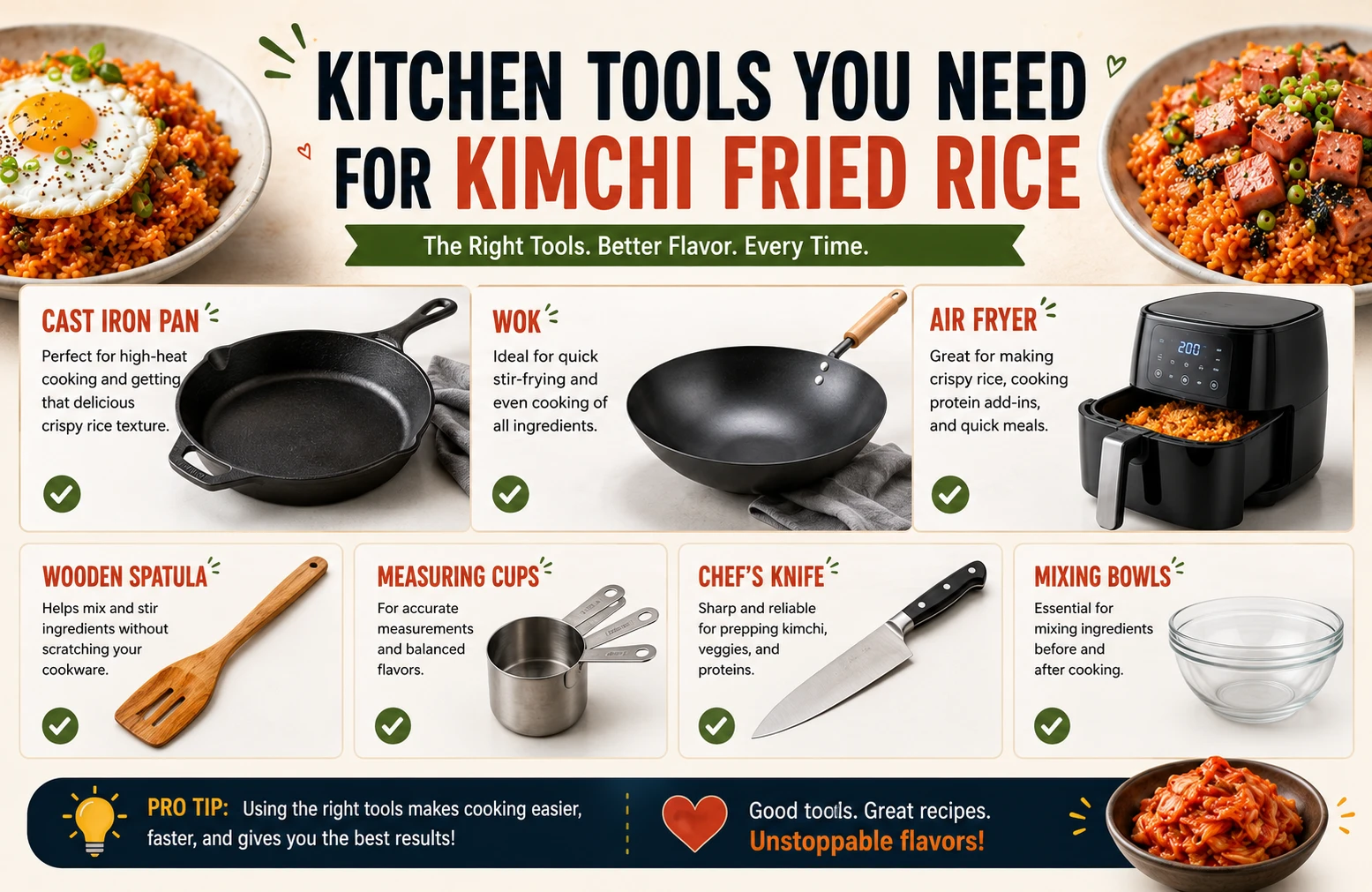
One cast iron pan (or heavy stainless steel skillet) covers 9 of the 11 variations. Thermal mass is the deciding factor here — a pan that holds its temperature when cold rice hits the surface is what enables the Maillard reaction and crisp nurungji crust; thin non-stick cookware cools too fast and steams the rice instead. No wok, rice cooker, air fryer, or other specialty equipment is strictly required anywhere in the family, though a wok on a high-BTU gas burner or an air fryer for the vegan tofu topping can be useful alternatives if you already own them.
| Tool | Required For | Notes |
|---|---|---|
| Cast iron pan / heavy skillet | All 11 variations | The one non-negotiable tool — retains heat when cold rice hits it |
| Lid (any that fits your pan) | Cheese only | For the mozzarella lid-melt step |
| Small pot for blanching | Broccoli only (new) | 60-90 second blanch before charring — any pot works |
| Tofu press or heavy weight | Vegan only | A heavy pan on a plate works fine |
| Air fryer | Vegan (optional) | Alternative to pan-frying the tofu, not required |
| Small second pan | Classic, Cauliflower, Breakfast Bowl, Broccoli, Pork Belly | For frying or boiling the egg separately |
Tools We Use — Across the Whole KFR Family
None of this is required — a basic pan and a spoon will get you through any of the 11 recipes. These are the specific things that make cooking this family of dishes repeatedly noticeably easier.
Prices and availability shown on Amazon at the time of your visit. We only link to categories of product we’d actually use for these exact recipes.
Shared Pantry Ingredients
These core Korean pantry staples appear in every single variation on this page. Aged kimchi, gochujang, kimchi brine, sesame oil, garlic, and soy sauce form the flavour backbone regardless of which protein or topping you choose — keep them stocked, along with a bag of short-grain rice cooked and refrigerated the night before, and you can make any of the 11 variations with just one extra grocery trip for the protein-specific ingredient.
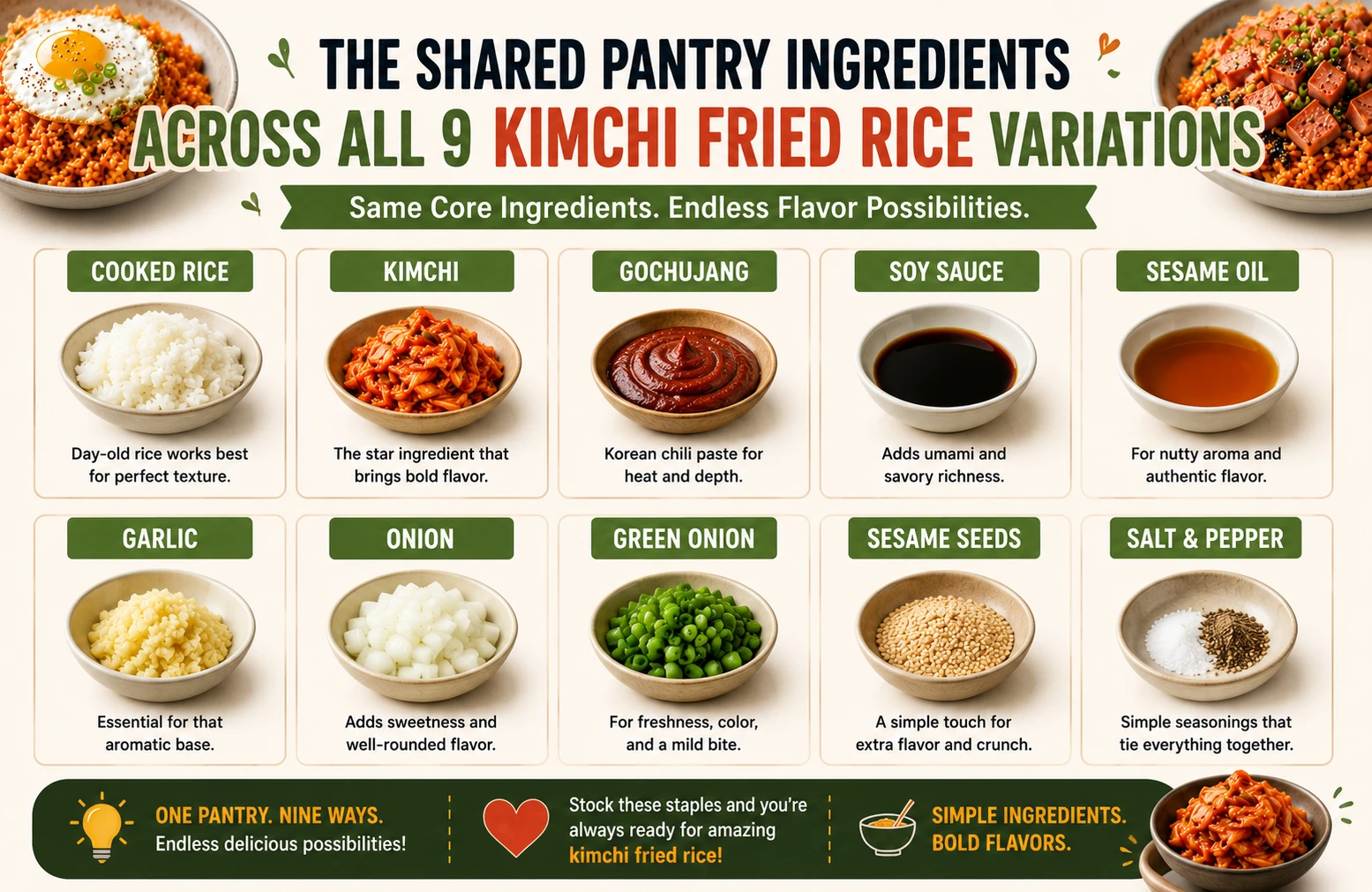
Only the protein or topping is variation-specific: eggs (classic, cauliflower, breakfast bowl, broccoli), Spam, canned tuna, bacon, fresh pork belly, extra-firm tofu (vegan), silken tofu (without egg), mozzarella (cheese), or broccoli.
Where to Buy the Ingredients
Kimchi and gochujang have both become mainstream enough that a dedicated Asian grocery trip usually isn’t necessary anymore — here’s where readers in our three biggest audiences typically find them.
Substitution Cross-Reference
Because every variation on this page shares the same aged-kimchi-and-rice base, you rarely need an external substitute — the closest match is usually just a different variation from this same family. Don’t have what a specific recipe calls for, or want to avoid a particular ingredient for dietary or allergy reasons? Here’s the closest match already documented and tested in this guide.
Beyond the 11 — Other Ways Korean Households Customize It
The 11 variations on this page are the ones tested and documented in full on this site, but kimchi fried rice is genuinely one of the most improvised dishes in Korean home cooking — closer to a base technique than a locked recipe. If you’ve mastered the press-and-char method from any of the 11 recipes above, these additional customizations use the exact same base and simply swap what goes in with the kimchi.
Meal-Prep & Storage Comparison — All 11
Not every variation stores equally well. Versions with a crispy or fresh topping lose more on reheating than versions where the topping is already soft or cooked into the rice.
| Variation | Fridge Life | Best For Meal Prep? | Reheat Method |
|---|---|---|---|
| Without Egg | 4-5 days | ✓ Best keeper | Hot pan, 3-4 min |
| Broccoli (new) | Up to 4 days | ✓ Good | Hot pan, 3-4 min — recrisps the char better than a microwave |
| Cauliflower | 3-4 days | ✓ Good | Hot pan, 2-3 min (releases water — don’t over-reheat) |
| Classic | 3 days | ✓ Good — fry egg fresh each time | Hot pan for rice; fresh egg separately |
| Tuna | 3-4 days | ✓ Good | Hot pan, 3-4 min |
| Spam | 3-4 days | ✓ Good | Hot pan, 3-4 min |
| Bacon | 3-4 days | ✓ Good | Hot pan, 3-4 min |
| Pork Belly (new) | Up to 3 days | △ Crisp edges soften | Hot pan, 4-5 min to recrisp |
| Vegan | 3-4 days | △ Store tofu separately | Air fryer or dry pan for tofu; hot pan for rice |
| Cheese | 3 days | △ Cheese texture changes | Hot pan with lid to re-melt |
| Breakfast Bowl | 2 days | ✗ Avocado browns fast | Best eaten fresh; add avocado at serving, not storage |
For a full week of meal prep, Without Egg, Broccoli, Cauliflower, and Classic hold up longest — most of them also happen to be among the cheapest (see Cost Comparison above) and simplest to make (see Difficulty Comparison below).
Regional & Authenticity Spectrum
Not every variation carries the same relationship to traditional Korean cooking. Some are direct descendants of home-kitchen staples going back generations; others are more recent fusion adaptations built for Western pantries and palates. Neither end of the spectrum is “more correct” — but understanding where each variation sits helps explain why they taste the way they do.
- Classic (egg)
- Tuna (chamchi)
- Without Egg
- Pork Belly (samgyeopsal)
- Spam (budae-era)
- Vegan (modern adaptation)
- Breakfast Bowl
- Cheese
- Bacon
- Cauliflower
- Broccoli
Classic, tuna, and without-egg versions are closest to what you’d be served in a Korean home kitchen today. Spam traces to the post-Korean War army-base era — technically decades old and culturally embedded in Korea itself, which is why it sits in the middle rather than the fusion column. Cheese, bacon, and cauliflower reflect more recent adaptations built around Western pantry staples and dietary trends (keto, low-carb) rather than traditional technique.
Which Kimchi Stage to Use
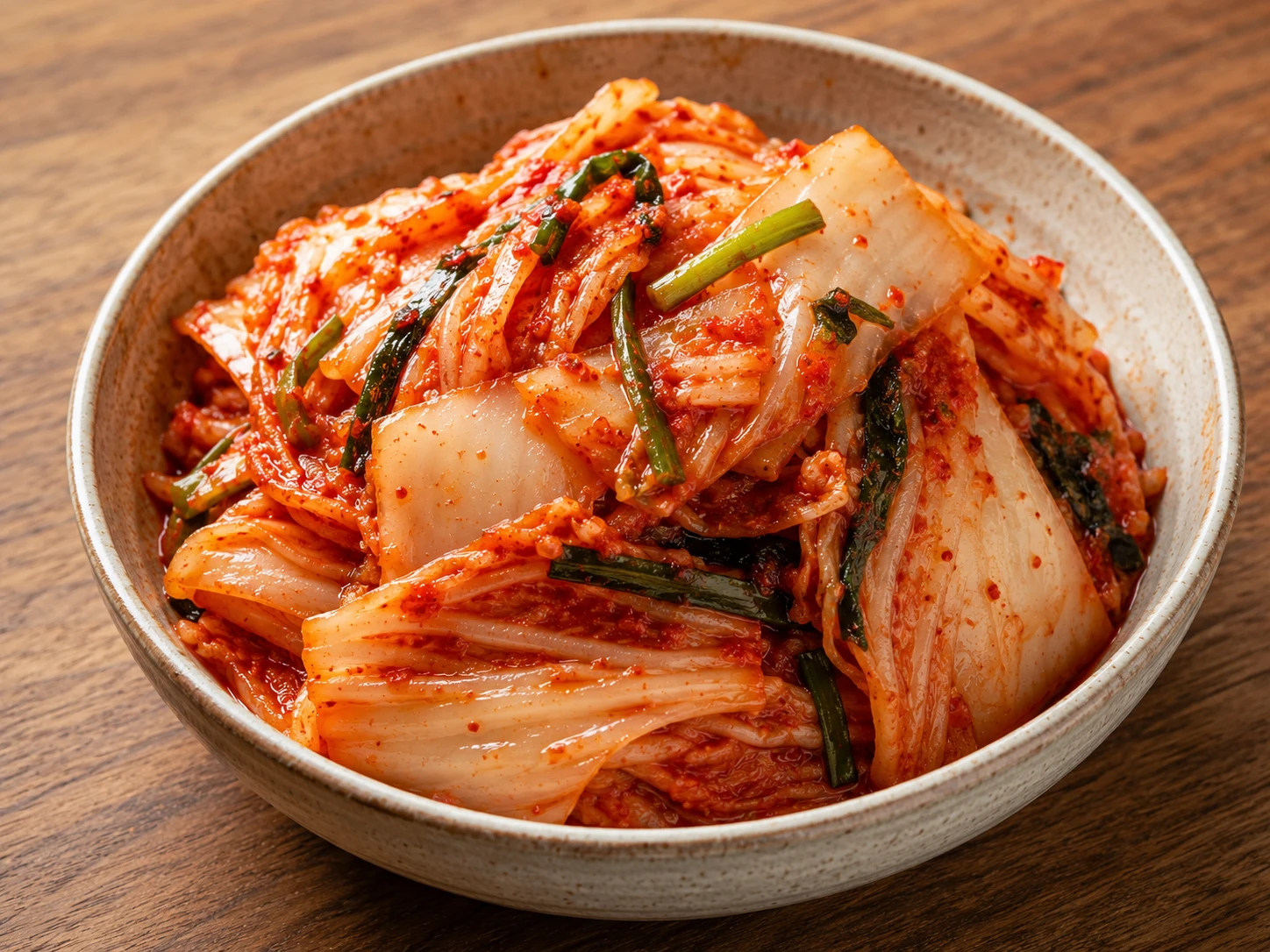
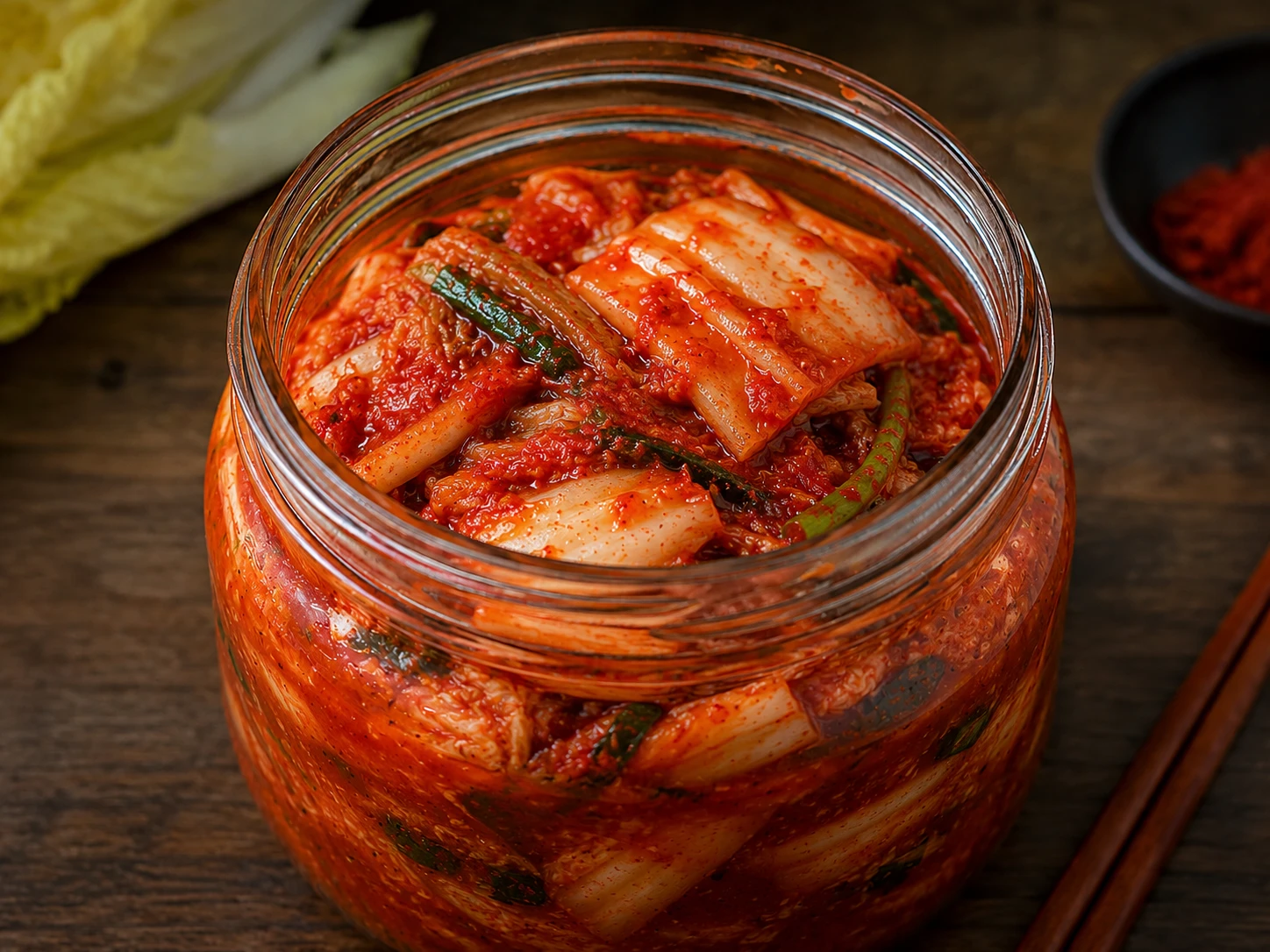
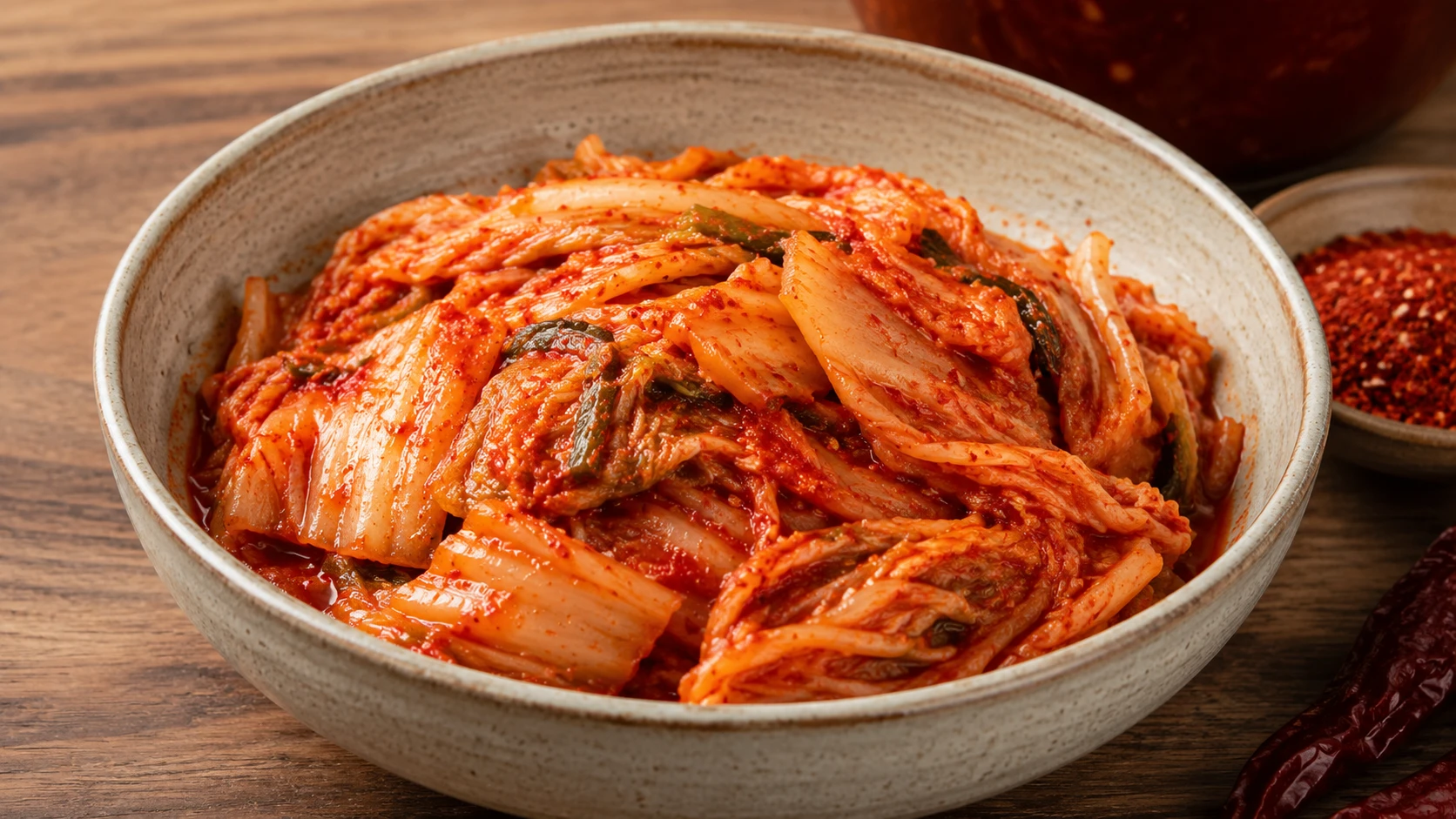
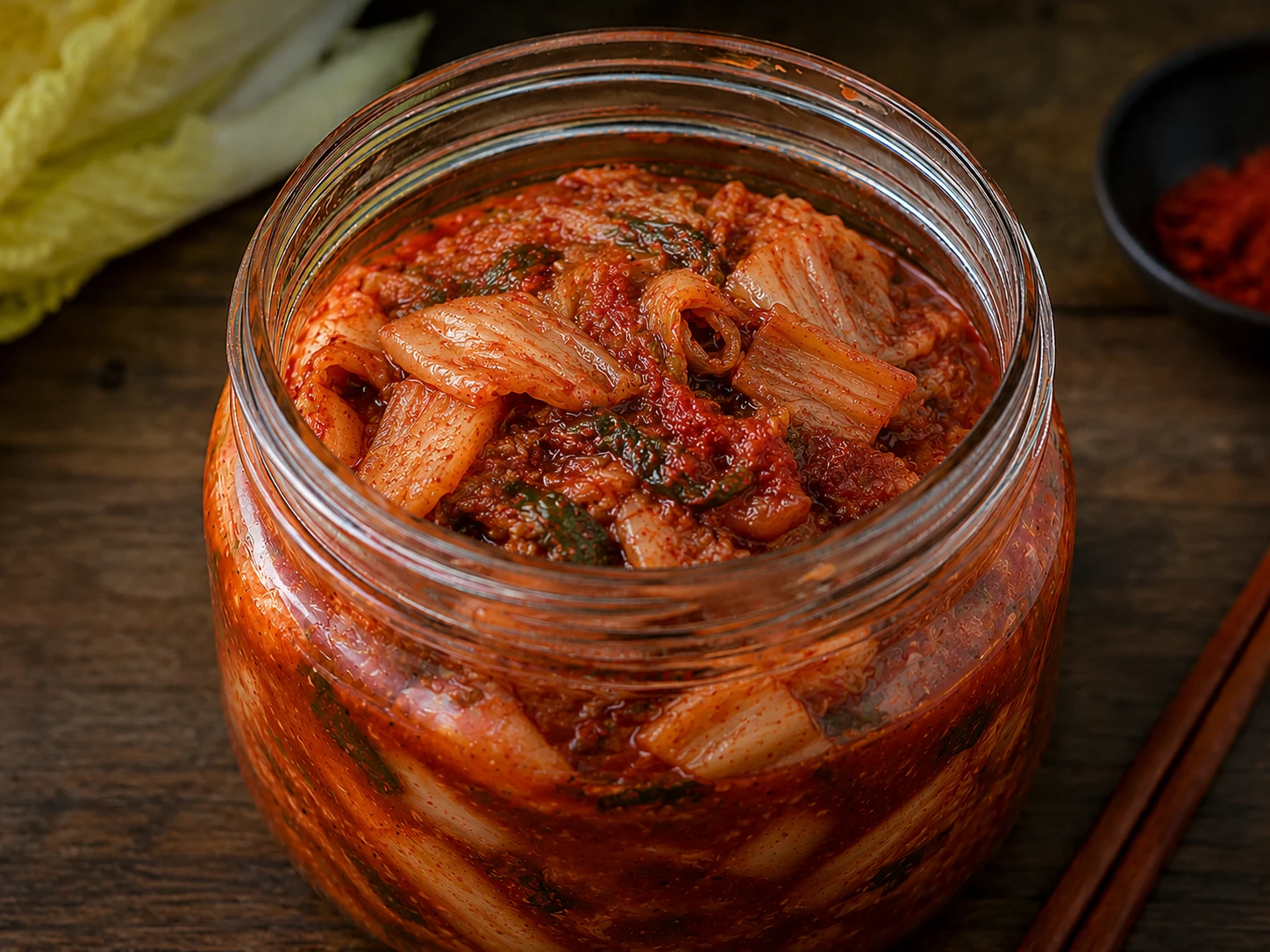
This is the one variable more important than which variation you pick. Kimchi fermentation runs through a predictable pH curve driven by Lactobacillus bacteria, and how far along that curve your kimchi sits determines whether it caramelises into deep sour-umami flavour at high heat or simply tastes flat and sweet. Stage 3 (3-6 weeks, pH approximately 4.2) is correct for every one of the 11 variations covered on this page — the protein or topping changes from card to card, but the fermentation science underneath does not.
Glossary of Korean & Technical Terms
Every Korean or technical term used across this page and the 11 recipe pages, in one place.
Difficulty Comparison — All 11
Every variation on this page sits at beginner-to-easy skill level — none require advanced knife work, precision timing, or specialised Korean culinary training. The only meaningful difference between them is whether the protein needs a separate pre-cooking, blanching, or fat-rendering step before it joins the rice, versus being folded in directly or added as a raw-then-cooked topping like the classic fried egg.
- Classic
- Tuna
- Without Egg
- Cauliflower
- Breakfast Bowl (boil egg)
- Cheese (lid-melt)
- Spam (render fat)
- Pork Belly (cold-render fat)
- Broccoli (blanch-and-char)
- Bacon (cook + render fat)
- Vegan (press + crisp tofu)
Spice Level Comparison — All 11
Gochujang quantity is the same across the base recipe, but the topping or protein changes how spicy each variation actually tastes at the table. Richer, fattier proteins (cheese, bacon, pork belly, Spam) coat the tongue and blunt perceived heat from capsaicin, while leaner or more neutral toppings (tuna, cauliflower, broccoli, without egg) let the full gochugaru heat of Stage 3 kimchi come through more directly. Use this as a rough guide, not an exact science — your own kimchi’s heat level will shift these slightly either way.
Want it milder no matter which variation you pick? Reduce gochujang from 1 tbsp to ½ tbsp, or use Stage 2 young kimchi instead of Stage 3 — both adjustments work across every recipe on this page without changing the core technique. Want it hotter, especially for cauliflower or tuna where heat already comes through clearly? A teaspoon of gochugaru added alongside the gochujang intensifies the burn without diluting the sauce.
Pairing Guide
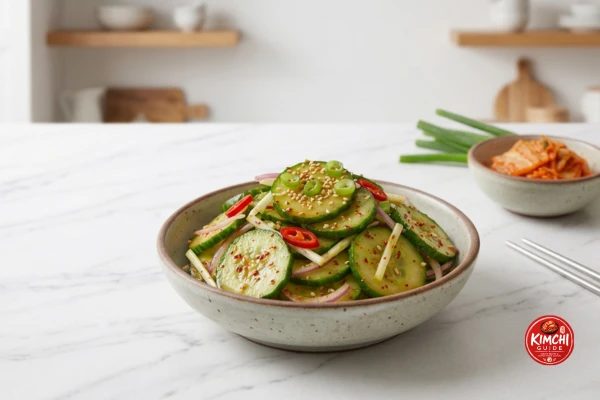
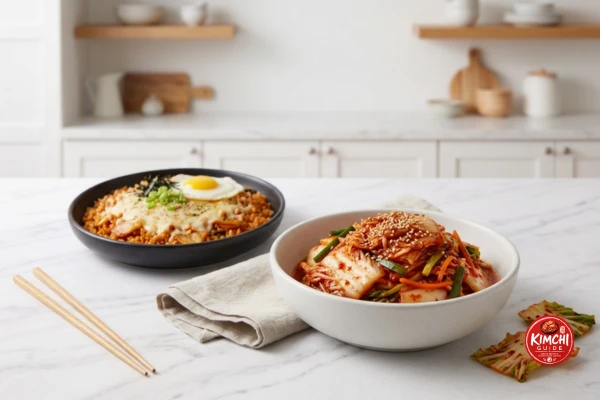
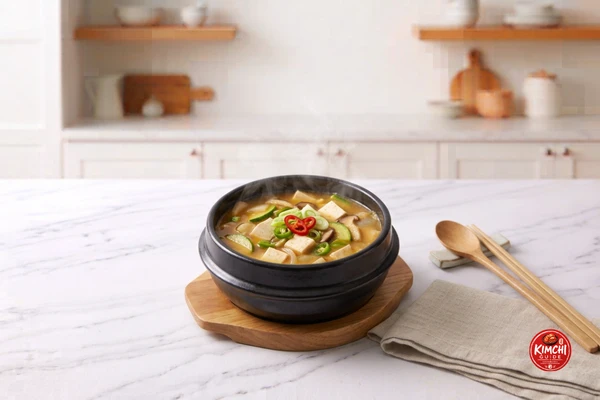
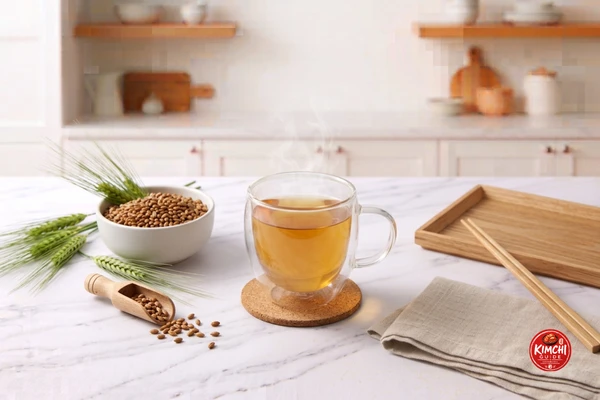
Korean home meals are traditionally built around banchan — small side dishes served alongside the main plate — and kimchi fried rice pairs naturally with the same logic used across Korean cuisine more broadly. These four pairings work with every variation on this page — cold and crisp against hot and dense, liquid against dry, mild against fermented-and-spicy — regardless of which protein or topping you’ve chosen.
One-Page Comparison Cheat Sheet
Every number from this guide condensed into a single printable table — good for sticking on the fridge or keeping on your phone while grocery shopping.
| Variation | Cal | Protein | Time | Cost | Difficulty |
|---|---|---|---|---|---|
| Cauliflower | 180 | 10g | 18m | $ | Easy |
| Without Egg | 360 | 7g | 18m | $ | Easy |
| Vegan | 380 | 14g | 25m | $$ | Easy+ |
| Breakfast Bowl | 380 | 15g | 20m | $$ | Easy+ |
| Broccoli (new) | 390 | 13g | 25m | $ | Easy+ |
| Tuna | 410 | 22g | 18m | $$ | Easy |
| Classic | 420 | 14g | 20m | $ | Easy |
| Cheese | 570 | 19g | 22m | $$$ | Easy+ |
| Spam | 580 | 24g | 22m | $$$ | Easy+ |
| Bacon | 600 | 21g | 22m | $$$ | Easy++ |
| Pork Belly (new) | 610 | 20g | 30m | $$$ | Easy+ |
Kimchi Fried Rice Variations — FAQ
The cauliflower version is lowest in calories at approximately 180 per serving, about 60 percent fewer than the classic recipe. For the best balance of low calories and high protein, the vegan tofu version at 380 calories with 14g protein or the without-egg version at 360 calories are strong options.
The Spam version leads at approximately 24g of protein, followed by tuna at 22g and pork belly at 20g. Among lighter options, the vegan tofu version provides a comparable 14g at significantly fewer calories than the meat-based versions.
Every variation shares the same base — aged Stage 3 kimchi, gochujang, kimchi brine, and cold day-old rice on high heat. What changes is the protein or topping and sometimes the cooking fat.
Classic, tuna, and without-egg are simplest since they need no separate protein-rendering step. Spam, bacon, and vegan tofu add one extra step but remain beginner-friendly.
Yes for most — a heavy skillet or cast iron pan is the only real requirement. Cheese needs a lid, and vegan benefits from (but doesn’t require) an air fryer.
Classic, cauliflower, and without-egg hold up best since they lack toppings that lose texture on reheating. Versions with a crispy topping are better meal-prepped in separate parts.
Cauliflower, broccoli, and without-egg are typically least expensive, relying on pantry staples plus kimchi and a cheap vegetable. Spam, tuna, bacon, pork belly, and cheese add the highest per-serving cost.
Cheese is typically most kid-friendly, since melted mozzarella softens the perceived spice. Breakfast bowl, with reduced gochujang, is another good option.
All 11 can be made gluten-free with two swaps: tamari instead of soy sauce, and a label check on your gochujang, since some brands use wheat as a thickener.
Regular fried rice uses light, neutral seasoning. Kimchi fried rice builds an aggressive fermented flavour base from aged kimchi, gochujang, and brine, whose lactic acid caramelises into sour-umami at high heat.
Yes — all variations share the same base technique, so combining toppings works well. Spam and cheese is popular. Adjust salt when combining two salty proteins.
Classic and cauliflower tend to run lowest since they don’t add a second salty protein. Cut added soy sauce in any variation to reduce sodium further.
Kimchi bokkeumbap (김치볶음밥) is the Korean name for kimchi fried rice — bokkeum means “stir-fried” and bap means “rice.” It’s one of the most common home-cooked dishes in Korea, often made specifically to use up kimchi that’s fermented past the point of enjoying it fresh.
Nurungji (누룽지) is the crisp, caramelised crust that forms when rice makes direct contact with a very hot pan without being disturbed. It’s considered the best part of kimchi fried rice by many Korean cooks, and the press-and-char technique used across all 11 variations on this page is specifically designed to produce it.
No — kimchi bokkeumbap is closer to a technique than a fixed recipe, which is why so many variations exist. Protein choice often reflects what’s on hand or regional influence: Spam and rendered pork fat trace to post-war army-base cooking, while lighter versions with tuna or no added protein are common everyday household defaults.
Less than its fiery red colour suggests. The colour comes from gochugaru in the kimchi itself, but the actual heat is moderate in most variations and easy to adjust up or down by changing the gochujang quantity or kimchi fermentation stage. Richer variations like cheese and bacon taste noticeably milder than leaner ones like tuna or cauliflower, even with identical seasoning.
Yes. Kimchi fried rice is closer to a base technique than a fixed recipe — enoki or shiitake mushrooms and leftover bulgogi are common Korean household additions that use the same press-and-char method as the 11 variations documented on this page. See the “Beyond the 11” section above for details.
Opinions vary. Some home cooks freeze it successfully for 2-3 months, but our own testing found the rice texture degrades noticeably on thawing across all 11 variations. Refrigerating for 3-5 days is the more reliable option if texture matters to you.
On this site, “kimchi tofu fried rice” describes our Vegan Kimchi Fried Rice variation — it’s built around press-and-sear crispy tofu as the protein, using fish-sauce-free kimchi to keep the whole dish plant-based.
Pork Belly and Broccoli, both added August 2026, bringing the total to 11. Pork belly uses a cold-pan render technique and is now the richest variation at 610 calories; broccoli uses a blanch-and-char technique and is now the highest-fibre variation at 6g per serving.
It depends on the variation — anywhere from 2 days (breakfast bowl, because of the avocado) up to 4-5 days (without-egg, the best keeper). Most variations fall in the 3-4 day range. See the Meal-Prep & Storage Comparison table above for the exact figure per variation.

Ji-Young Park built this comparison guide after readers kept asking which of the 11 KFR variations to try first. Every calorie, protein, and technique note here is drawn directly from the individually tested recipe pages.
View full author profile →
Dr. Sarah Mitchell reviewed all nutrition figures across the 11 variations for consistency and accuracy, cross-checking each against the individual recipe pages’ full nutrition panels.
View full credentials →Was this comparison helpful?
Did it help you pick the right variation?
Questions & Comments
Which variation did you try, or which are you deciding between? Leave a question below — Ji-Young reads and responds to every comment.
Your email will not be published. All comments are reviewed before appearing.