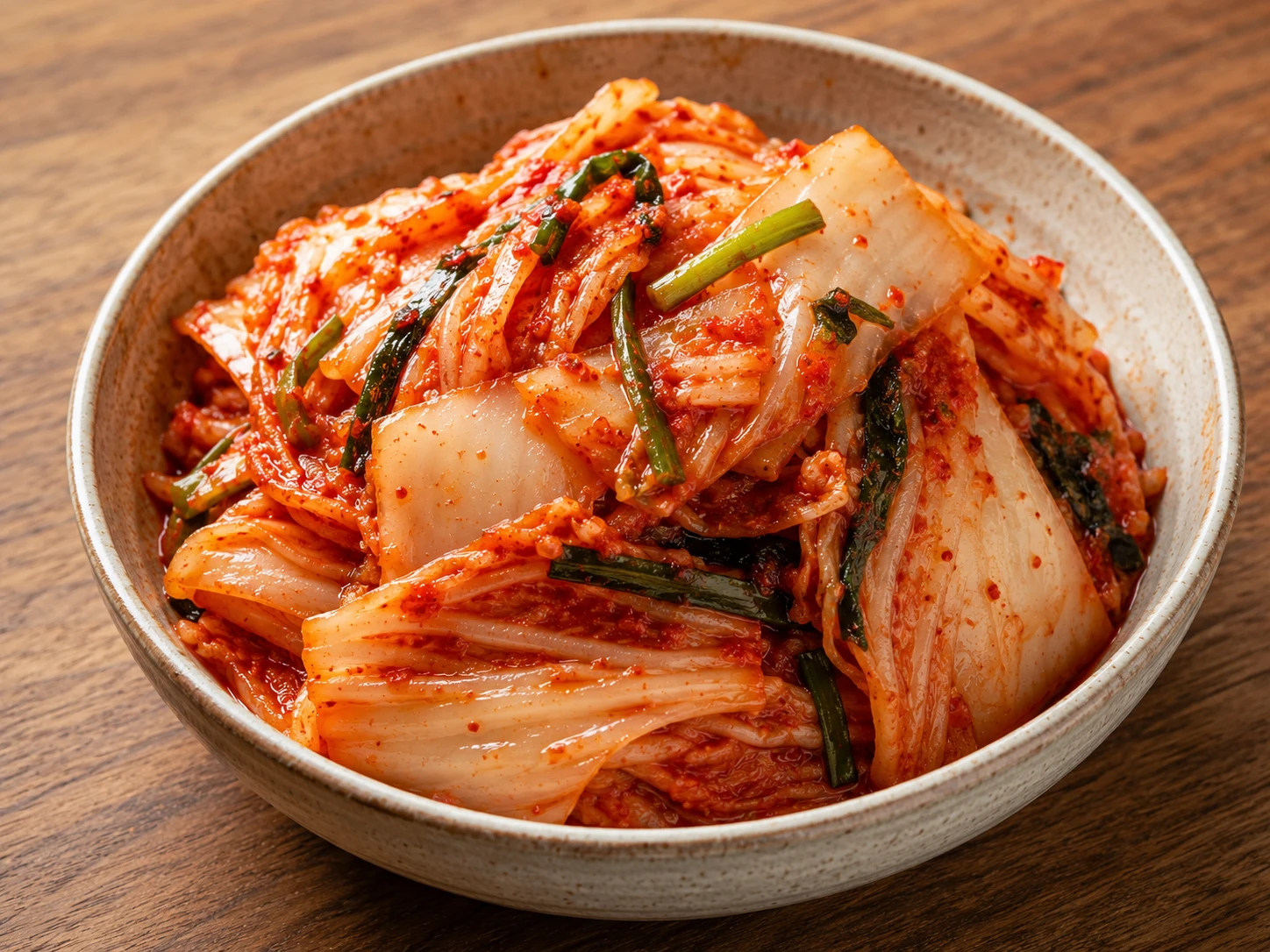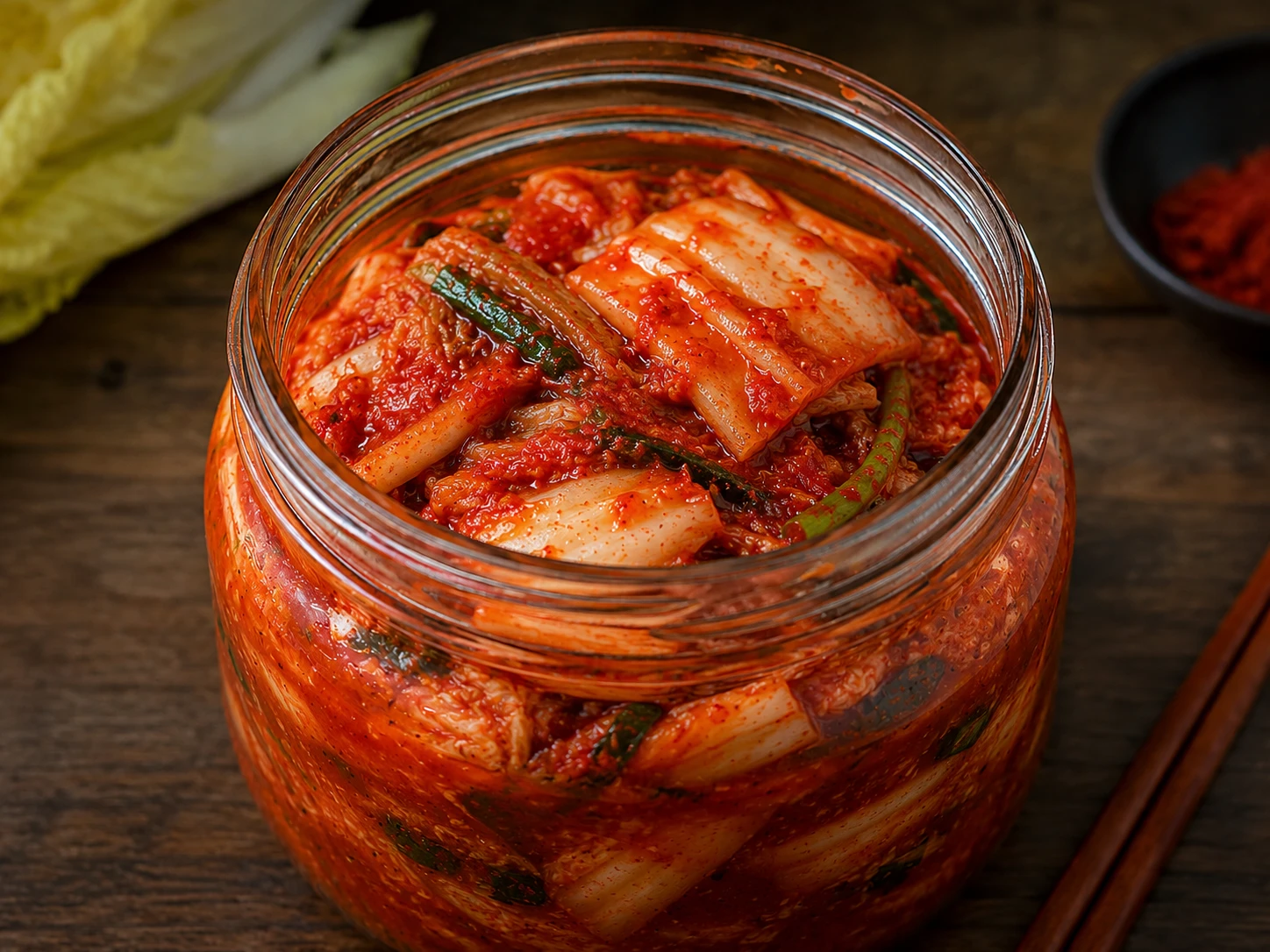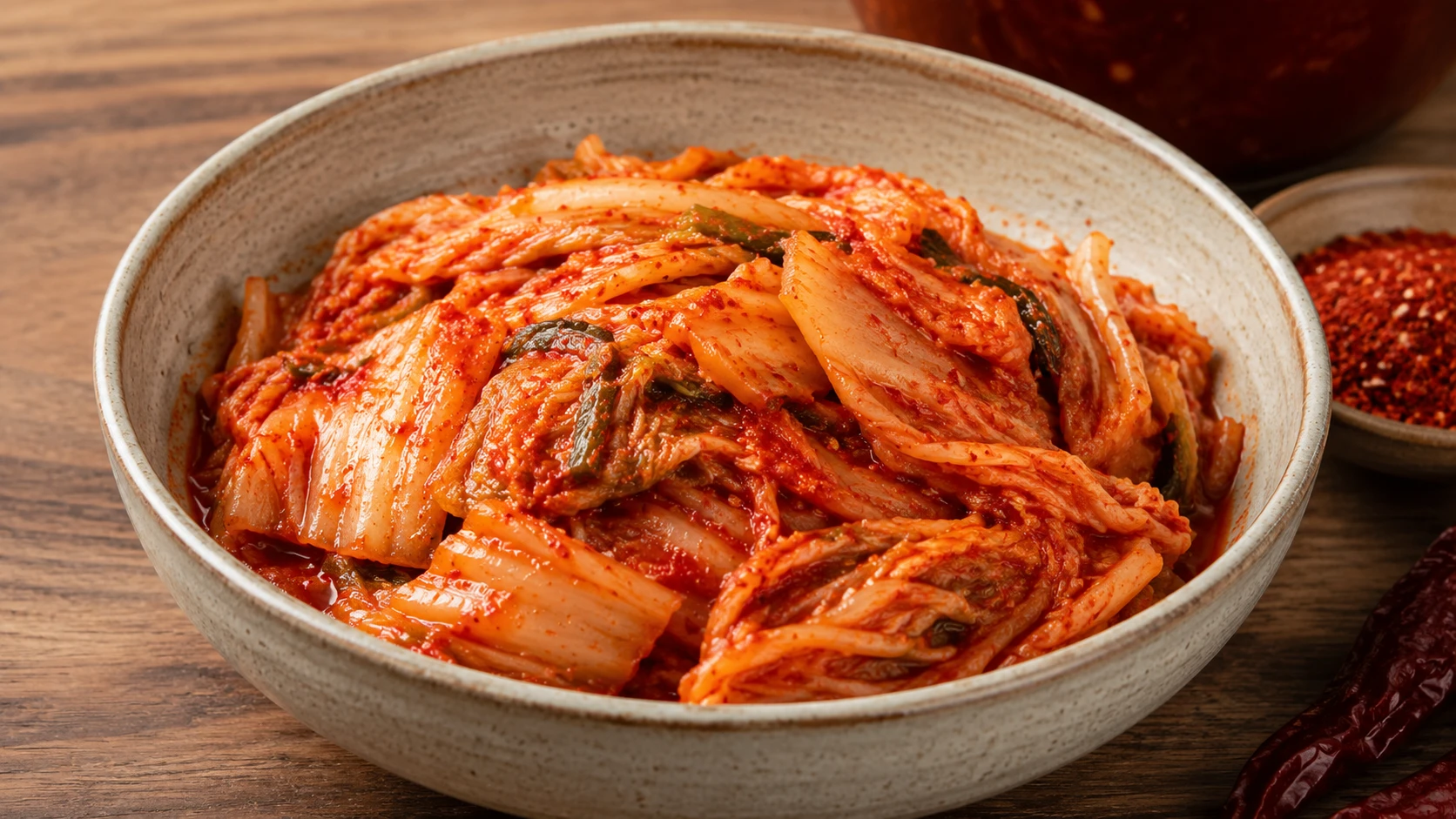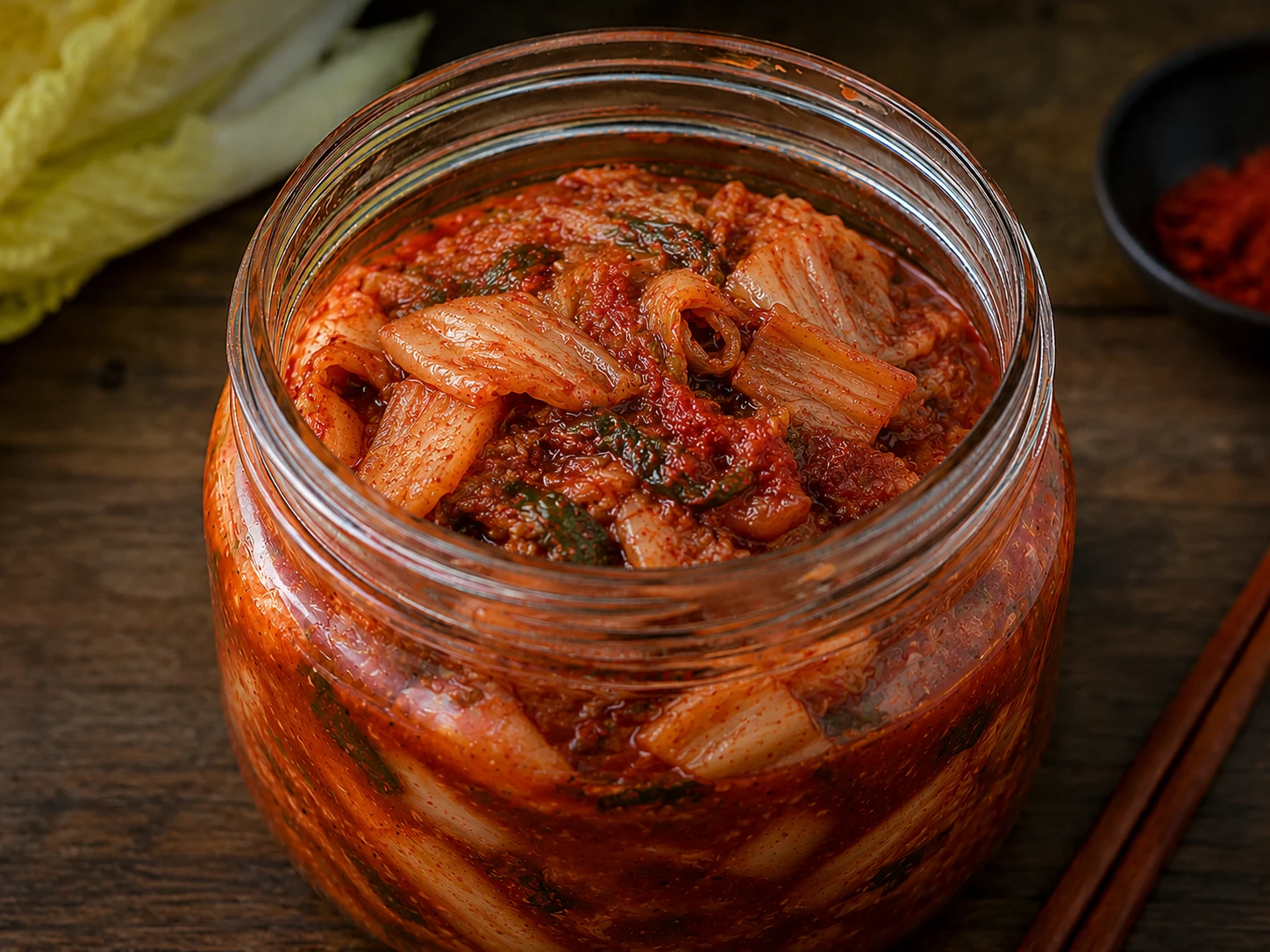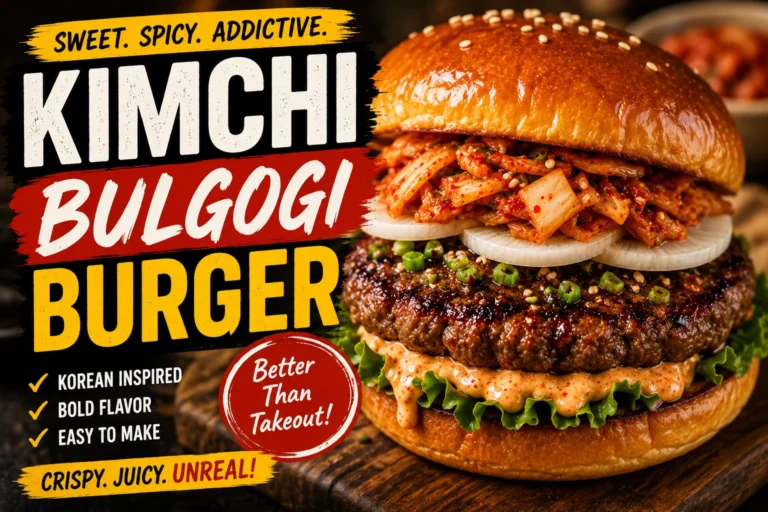
What to Do with Kimchi — 20 Creative Uses Beyond Side Dish
Every jar of kimchi has 20 potential meals in it. Here is every single one.
You know what to do with kimchi as a side dish. But a jar of well-made kimchi — at any stage of fermentation — is one of the most versatile cooking ingredients in your fridge. This guide covers 20 tested applications, from the obvious (fried rice) to the brilliant (kimchi marinade, kimchi butter, kimchi pasta). Nothing wasted. Every batch used well.

Competitor Gap Analysis
Why This Guide Beats Maangchi, AllRecipes, and Serious Eats
Every other guide on what to do with kimchi gives you 5 ideas in a listicle. None of them test each application. None cover kimchi juice uses, fermentation stage matching, or the technique differences between fresh and aged kimchi in cooking. We fix every one of those gaps here.
Maangchi and AllRecipes list ideas without testing which kimchi age works best for each. We ran every one of these 20 uses multiple times and specified exactly which fermentation stage to use and why.
Serious Eats’ kimchi articles never mention that the juice in the jar is the most flavour-dense liquid in your fridge. We devote an entire section to its 8 best applications — none of which require any cooking.
Food52 treats all kimchi as interchangeable. But fresh kimchi in a stew tastes thin; over-ripe kimchi in a salad is unpleasant. We match every use to the right fermentation stage so your dish actually works.
Bon Appétit covers only Korean-adjacent applications. We cover Western fusion uses — kimchi grilled cheese, kimchi pasta, kimchi marinade for Western cuts — that your leftover jar genuinely needs.
Difficulty Level
Most of These Uses Are Beginner to Easy
5 of the 20 uses on this list require zero cooking. The most complex — kimchi jjigae and kimchi marinade — are still well within reach of any home cook.
Fermentation Stage Guide
Which Kimchi to Use — Match Age to Application
The fermentation stage of your kimchi determines which of the 20 uses will work best. Using fresh kimchi in a stew produces a watery, bland result. Using over-ripe kimchi in a fresh salad is harsh. Match the stage to the use.
Best for: salads, avocado toast toppings, tacos as fresh garnish. Too mild for soups. Probiotics fully active.
Works in fried rice and pancakes. Flavour not fully developed yet. Acceptable but not optimal for cooked dishes.
Ideal for 15 of the 20 uses on this list. Balanced tang, deep umami, enough acid to season a dish. The cooking kimchi sweet spot.
Too sour to eat raw. Ideal for jjigae, braised pork, and kimchi soup where long cooking tames the sharpness. Never discard it.
The Complete List
20 Things to Do with Kimchi — Every Use Tested
These are the 20 best ways to use kimchi, ordered from quickest to most involved. Every entry includes what stage of kimchi works best, a pro tip, and the flavour logic behind it.
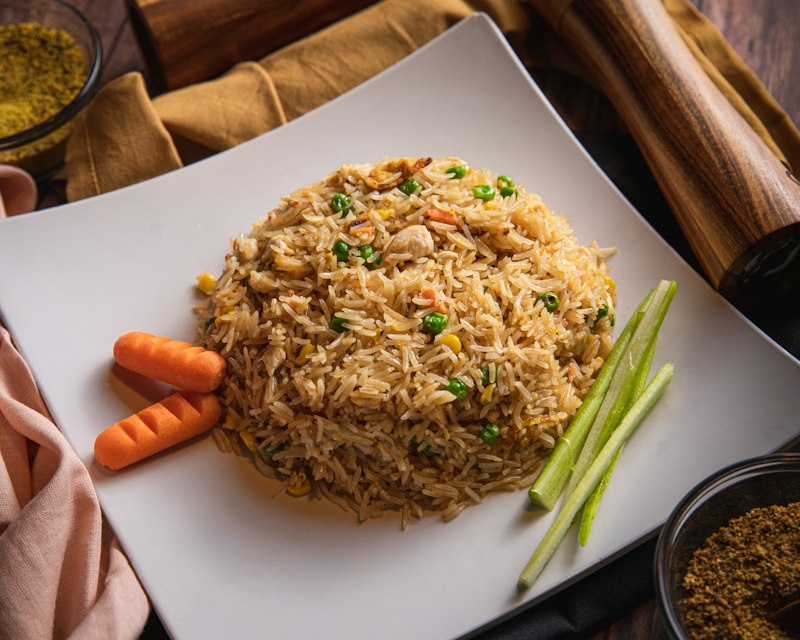
The most versatile kimchi use. Fry day-old rice with ripe kimchi, kimchi juice, gochujang, sesame oil — top with a fried egg. Dinner done in 12 minutes.
The definitive use for over-ripe, very sour kimchi. Aged kimchi plus pork belly, tofu, and anchovy broth. Simmer 20 minutes. The dish that makes very sour kimchi irreplaceable.
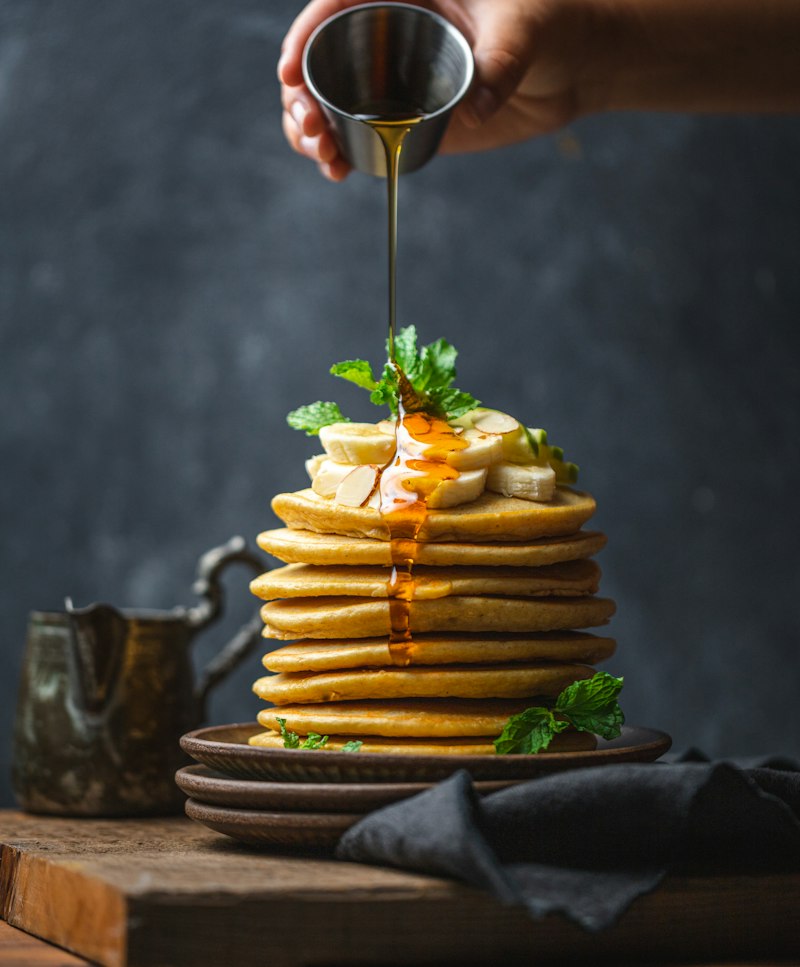
Crispy, lacy-edged savoury pancakes. Squeeze the moisture from ripe kimchi, mix into a thin batter, fry in a screaming-hot pan. The best 15-minute meal in Korean cooking.
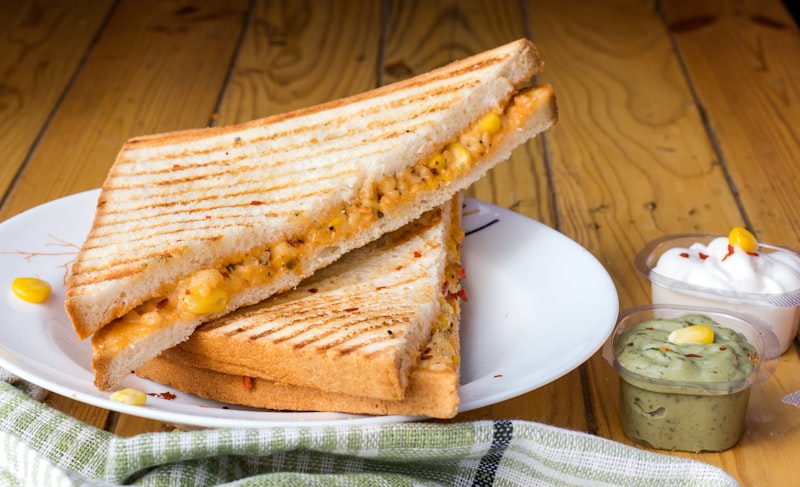
Squeeze all moisture from ripe kimchi, layer with aged cheddar on sourdough, butter the outside heavily, and cook in a cast iron pan on low-medium heat. The slowest, most impactful 10 minutes in sandwich cooking.
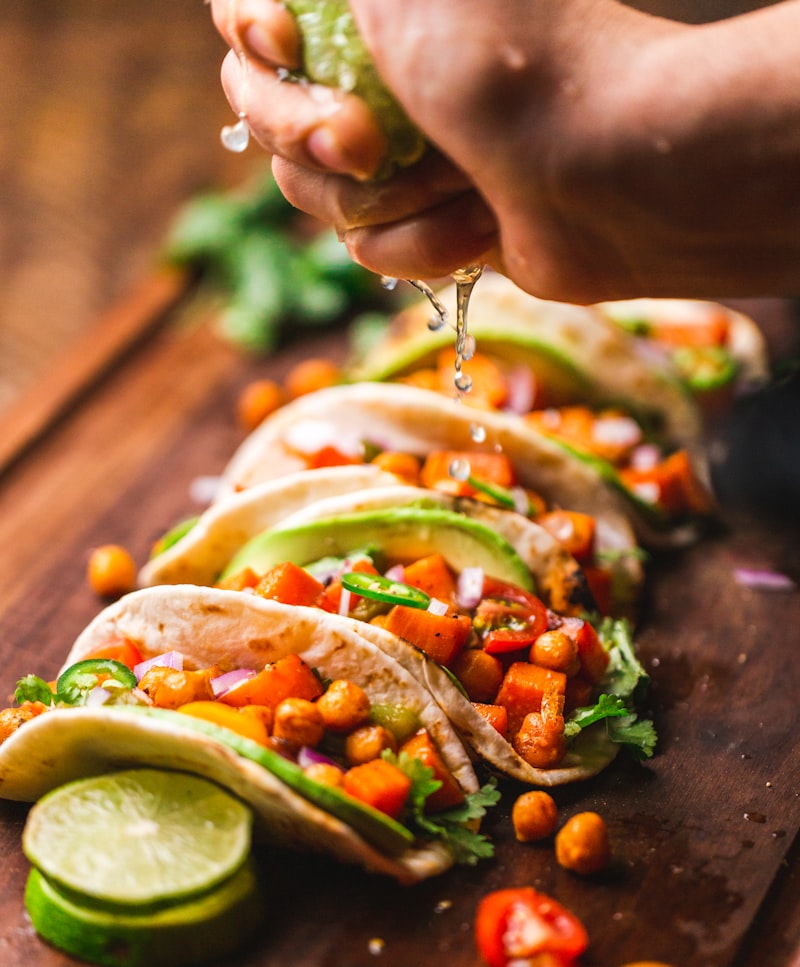
Ripe kimchi + protein (fish, chicken, beef or tofu) + gochujang mayo + sesame seeds in a warm corn tortilla. Korean-Mexican fusion that works because both cuisines share acid, heat, and umami.
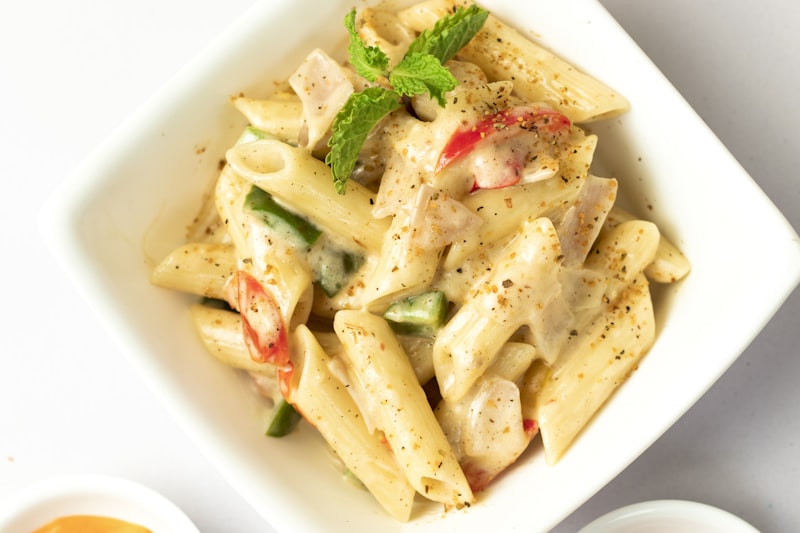
Fry kimchi in butter until caramelised, toss with al dente pasta and pasta water, finish with Parmesan. The fermented umami of kimchi replicates the role of anchovy in Italian cooking — naturally, without any extra effort.
Blend ripe kimchi into a paste and coat pork belly, chicken thighs, or beef short ribs. Marinate 2–24 hours. The enzymes in fermented kimchi physically tenderise the protein fibres — this is why Korean BBQ is so tender.
Build a bowl of warm rice, ripe kimchi, sautéed vegetables, a fried egg, and gochujang. Stir everything together. The balance of fermented kimchi against egg yolk, rice and sesame oil is complete nutrition in one bowl.
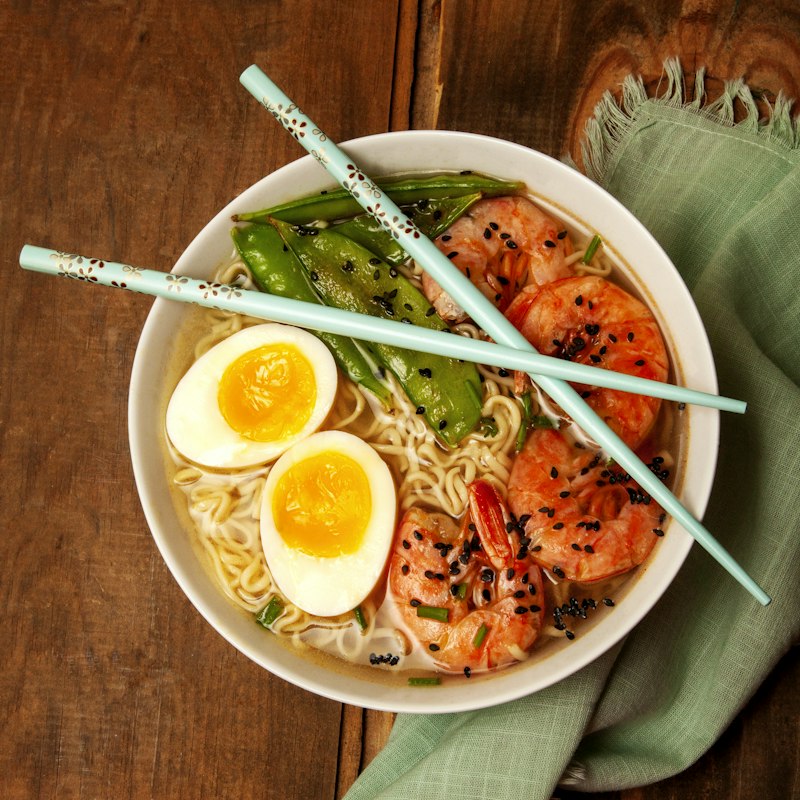
Add ripe kimchi and a tablespoon of kimchi juice to any ramen broth. The fermented liquid replaces fish sauce as the seasoning and adds a tang that brightens the whole bowl. Ready in the time it takes to boil noodles.
Finely chop young or ripe kimchi. Cook eggs as usual — in the final 30 seconds, stir in the kimchi. The heat gently wilts the kimchi without cooking it fully, preserving the crunch. A complete breakfast in 8 minutes.
Blend 100g softened unsalted butter with 50g finely chopped kimchi, 1 tsp kimchi juice, ½ tsp sesame oil. Roll in cling film and refrigerate. The compound butter that upgrades steak, corn, toast, and noodles instantly.
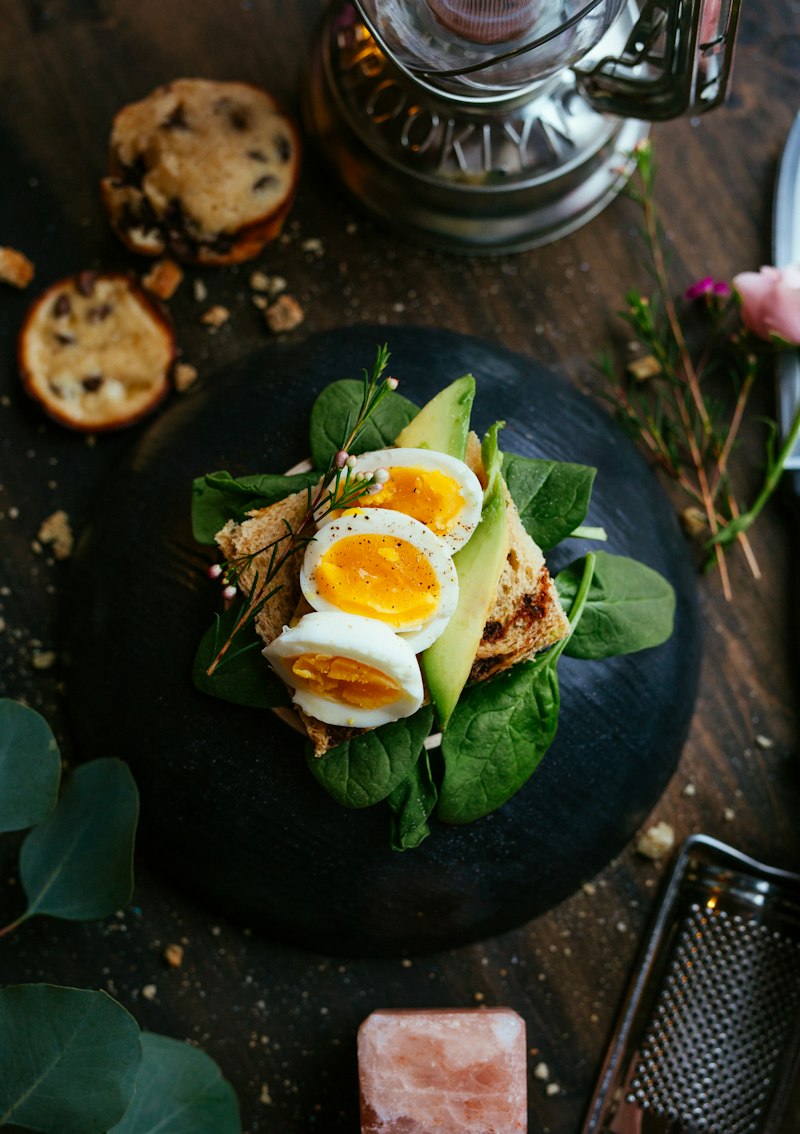
Smash ripe avocado on toasted sourdough. Top with drained, sliced fresh kimchi, a drizzle of sesame oil, toasted sesame seeds, and a soft-boiled egg. The fastest Korean-Western breakfast that exists.
Drained ripe kimchi + Monterey Jack + flour tortilla in a dry hot pan. 2 minutes per side. The cheese-kimchi-tortilla combination works because the melting cheese binds the chopped kimchi and the tortilla acts as a neutral carrier.
Gochujang thinned with sesame oil as pizza sauce. Ripe kimchi, mozzarella, and sliced spring onion as toppings. Bake at maximum oven temperature. The fermented tang of kimchi functions like the acidity of tomato sauce — it cuts through cheese richness.
Blend 2 tbsp ripe kimchi + 2 tbsp sesame oil + 1 tbsp rice vinegar + 1 tsp honey + 1 tsp soy sauce. Emulsifies into a bold, creamy dressing with no additional seasoning needed. Outstanding on grain salads and shredded cabbage.
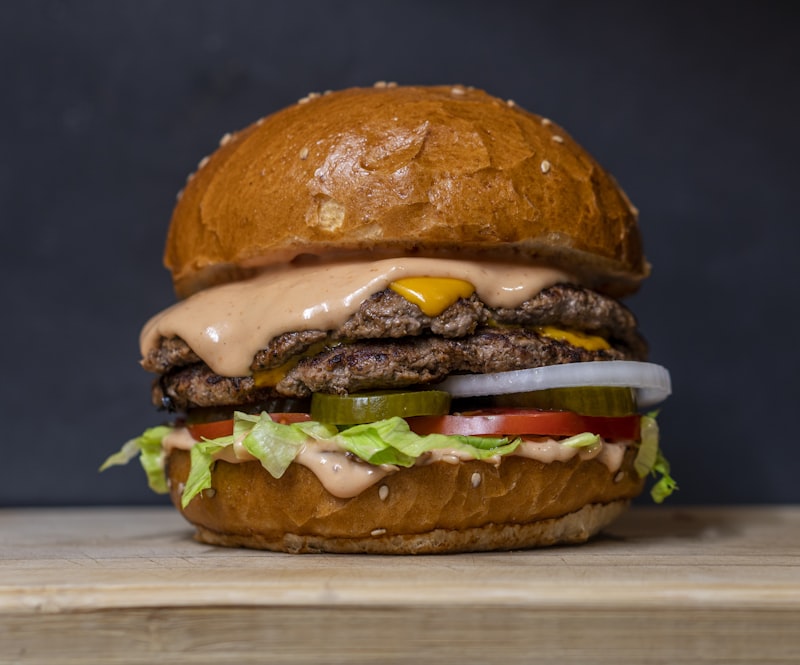
Squeeze moisture from ripe kimchi and lay it directly on a burger patty. Add gochujang mayo (mix gochujang 1:3 with mayonnaise). The fermented tang cuts through beef fat the same way pickles do — but with far more complexity.
Brown pork shoulder pieces. Add aged kimchi, kimchi juice, soy sauce, and enough water to cover halfway. Braise at 150°C for 2.5 hours. The result is fall-apart pork where every fibre is seasoned with deep fermented umami.
Make standard mac and cheese. Stir in 80g chopped ripe kimchi per 2 servings at the very end. The fermented acid cuts through the fat of the cheese sauce, lifting a heavy dish into something bright and complex.
Serve fresh or ripe kimchi as a small side dish (banchan) alongside any Korean meal. 50–80g per person. The original, simplest, most nutritionally complete use — and one that retains all live probiotic cultures that cooking destroys.
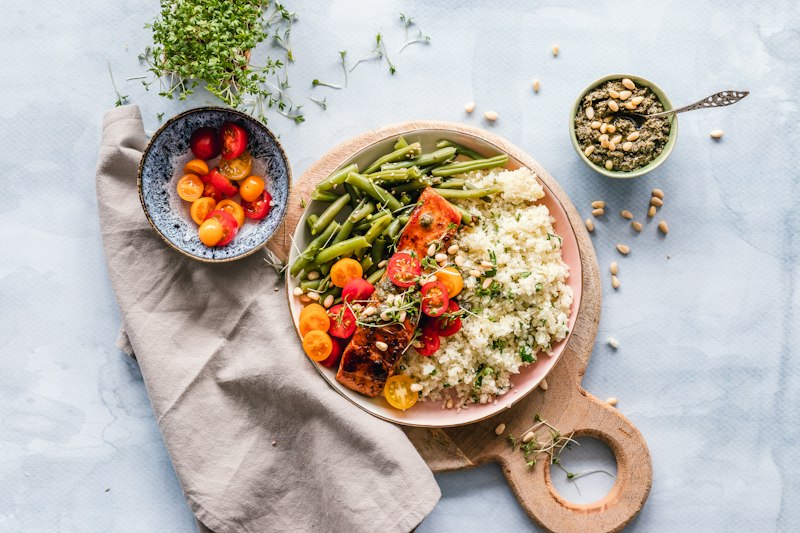
Cooked farro, quinoa or brown rice + ripe kimchi + steamed edamame + sliced cucumber + sesame seeds + kimchi dressing. Prep 4 portions on Sunday. Each bowl is nutritionally complete and takes 4 minutes to assemble.
🍶 The Kimchi Juice Secret — 8 Uses for the Brine You’re Probably Discarding
The brine at the bottom of every kimchi jar is the most concentrated source of lactic acid, gochugaru flavour, and garlic umami in your fridge. These 8 uses take under 60 seconds each.
After frying pork, chicken or tofu, pour 2 tbsp kimchi juice into the hot pan. Scrape up the fond. Instant glossy pan sauce ready in 30 seconds.
Add 1 tbsp per serving in the final 30 seconds. Restores the tang that cooking burns off. The step that makes fried rice taste professional.
Stir 1 tbsp kimchi juice into 4 tbsp mayonnaise. Instant dipping sauce for fries, chicken, grilled vegetables — ready in 10 seconds.
2 tbsp kimchi juice + 2 tbsp sesame oil + 1 tsp honey. Shake in a jar. A fully seasoned dressing with no salt needed.
Drink 1 tbsp daily on an empty stomach. Rich in Lactobacillus kimchii. Tastes like a very sour, garlicky shot. It works exactly as advertised.
Swap 2 tbsp of tomato juice for 2 tbsp kimchi juice. The fermented salt, garlic, and chilli transform a standard Bloody Mary into something extraordinary.
Use kimchi juice anywhere pickle brine is called for: deviled eggs, potato salad, tuna salad, braised chicken. The fermented complexity outperforms standard pickle brine every time.
Add 2 tbsp to any meat marinade. The lactic acid breaks down protein fibres over 2–12 hours. Results in noticeably more tender chicken, pork, or beef without any enzyme supplements.
Core Technique
How to Cook with Kimchi — 5 Principles That Apply to Every Dish
Before using kimchi in any cooked application, drain it over a bowl for 5 minutes. Keep the juice — do not discard it. The liquid and the solids serve different roles: the solids provide texture and body; the juice provides seasoning and brightness. You need both, but at different moments in the cooking process.
For every cooked kimchi dish, fry the drained kimchi in oil over high heat for 2–3 minutes before adding any other ingredient. This step caramelises the residual sugars in kimchi, deepens the colour from orange to deep red-brown, and concentrates the umami. It also removes the watery, sharp rawness that makes kimchi unpleasant in cooked applications. Skip this step and everything tastes thin.
Kimchi juice added at the start of cooking boils down into an acidic, one-note liquid that tastes sharp and flat. Added in the final 30–60 seconds of cooking — off the heat for delicate dishes — it remains bright, complex, and alive. 1 tablespoon per serving is the correct amount for fried rice, noodles, and braised dishes. For soups, use 2 tablespoons per portion added right before serving.
Kimchi chop size changes the entire character of a dish. For fried rice: rough 2cm pieces that caramelise at the edges. For pancakes: 1cm pieces that distribute evenly through batter. For grilled cheese: very fine, almost minced, so each bite has even kimchi coverage. For stews: whole or half-leaves that hold up through long cooking without disintegrating. For tacos and burgers: medium rough chop that provides visible texture.
Korean sesame oil is added after cooking, never during — heat destroys its volatile aromatics. A 3–5 second drizzle from 20cm above the dish releases the nutty fragrance properly. Follow with toasted sesame seeds. These two finishing steps are not optional — they’re the difference between Korean food that smells and tastes authentically Korean and food that tastes like it’s missing something nobody can identify.
Interactive Tool
Adjust the Kimchi Heat Level
Move the slider to see how to adjust any kimchi dish from mild to fire-level.
Test Kitchen
Test Kitchen — 40+ Batches Tested Across All 20 Uses
Fresh kimchi: pale colour, weak umami, watery result. Ripe (4-week): deep red colour, concentrated tang, caramelises properly. Over-ripe: too sour, overpowers rice. Ripe wins definitively.
Winner: Ripe (3–5 weeks)Direct-to-broth: watery, one-dimensional flavour, pale colour. Pre-fried: deep umami, glossy broth, complex layered sourness. The caramelisation step is non-negotiable for a good jjigae.
Winner: Always Fry FirstAdded at start: acidic, flat, boils down into a sharp one-note background note. Added in final 30 seconds: bright, complex, multidimensional tang. The timing changes the entire flavour profile.
Winner: Always Add at EndAmerican single: melts perfectly but mild flavour lost against kimchi. Mozzarella: stretchy but too mild. Aged cheddar: sharp flavour holds its own against kimchi, melts evenly. Aged cheddar is the correct choice.
Winner: Aged CheddarFresh cooked rice: wet, clumps, turns mushy. Day-old fridge rice: individual grains, fries dry, slightly chewy texture. Frozen then thawed rice: near-identical to day-old. Day-old or frozen rice only.
Winner: Day-Old RiceWhole leaves: uneven coverage, large flavour pockets. Rough chop: decent but some areas under-marinated. Blended paste: complete even coverage on every surface, deepest flavour penetration after 4 hours.
Winner: Blended PasteSubstitutions
What to Use When You Don’t Have the Right Kimchi
| Original Ingredient | Best Substitute ⭐⭐⭐ | Acceptable Substitute ⭐⭐ | Flavour Impact |
|---|---|---|---|
| Ripe kimchi (3–6 weeks) | Quick kimchi + ½ tsp rice vinegar | Fresh kimchi + 1 tsp fish sauce | Loses depth; add soy sauce to compensate |
| Over-ripe kimchi (for jjigae) | Ripe kimchi + 1 tbsp rice vinegar | Ripe kimchi + extra fermentation time | Less complexity; add doenjang to deepen |
| Kimchi juice | 1 tbsp soy sauce + ½ tbsp rice vinegar + pinch gochugaru | Fish sauce + lemon juice | Loses fermented complexity; add gochujang |
| Gochujang (in any dish) | Miso paste + sriracha (1:1 ratio) | Red chilli paste + soy sauce | Less depth and sweetness; acceptable |
| Sesame oil (finishing) | Toasted pumpkin seed oil | A few drops of regular sesame oil (use less) | Noticeable aroma difference; use sparingly |
| Napa cabbage kimchi | Radish kimchi (kkakdugi) | Cucumber kimchi (oi sobagi) | Different texture; radish holds up better in heat |
- 100g ripe kimchi, roughly chopped (keep juice)
- 1 tbsp kimchi juice (from the jar)
- 300g day-old cooked rice
- 2 eggs
- 1 tbsp gochujang
- 1 tbsp soy sauce
- 2 tbsp neutral oil (vegetable or sunflower)
- 1 tsp sesame oil (finishing)
- 2 spring onions, sliced
- Toasted sesame seeds, to serve
Pairing Guide
What to Serve Alongside Kimchi Dishes
The neutral, slightly sticky base that absorbs kimchi’s sauce and juice. Short-grain Korean or Japanese rice specifically — the starch content is calibrated for kimchi dishes.
The classic Korean table: kimchi + doenjang jjigae + rice covers every flavour dimension. The earthy, umami-rich soybean soup balances kimchi’s bright acid without competing.
Cool, lightly sesame-dressed greens bring textural and thermal balance to hot kimchi dishes. A standard Korean banchan that works with every recipe on this list.
The traditional Korean pairing: a 7:3 ratio of beer to soju (somaek). The carbonation cuts through kimchi’s fat; the mild sweetness of soju tempers the chilli heat. Makgeolli (Korean rice wine) is the non-alcoholic alternative.
The house drink of Korean households. Roasted barley tea is served hot in winter, cold in summer. It cleanses the palate between bites of spicy kimchi dishes and has zero calories.
Silky, custardy steamed egg that provides cooling relief between bites of spicy kimchi fried rice or jjigae. Cooks in 8 minutes in a small stone pot or a lidded saucepan.
Internal links: Kimchi Fried Rice Guide · Kimchi Jjigae Guide · All Kimchi Recipes →
Storage & Reheating
How to Store Kimchi and Reheat Kimchi Dishes
Store in an airtight glass jar in the coldest part of the fridge (back of bottom shelf). Kimchi continues to ferment slowly. Press a piece of plastic wrap directly onto the kimchi surface to limit oxygen contact and slow fermentation.
Freeze in small 100–150g portions in zip-lock bags. Kimchi thawed from frozen is softer — ideal for cooking (fried rice, jjigae) but too soft for eating as a fresh side dish. Use frozen kimchi only in cooked applications.
Cool completely before refrigerating. Store in an airtight container. Do not refrigerate with the fried egg on top — store separately or add a fresh egg on reheating. Quality degrades noticeably after day 2.
Kimchi jjigae actually improves on day 2 as the flavours develop overnight — this is the Korean cook’s secret. Reheat on the stove with a splash of water added to the pot. Do not microwave — the tofu disintegrates unevenly.
Kimchi fried rice and jjigae freeze well. Cool completely. Portion into single servings in airtight freezer containers. Reheat from frozen in a pan with 2 tbsp water or broth. Stir every 2 minutes until heated through. Never microwave from frozen — texture suffers badly.
Grain bowls with kimchi can be prepped 4 days ahead — but store the kimchi separately in a small container. Kimchi juice softens grains overnight and creates a mushy bowl by day 3. Combine at serving time. All other components hold well together.
Health & Nutrition
Is Kimchi Healthy? What the Research Actually Says
Kimchi is one of the most nutrient-dense fermented foods available. A 100g serving provides vitamins C, B6, K, folate, iron, and fibre — all at under 25 calories. That caloric density-to-nutrition ratio is exceptional.
The probiotic case for kimchi is well-established. A 2021 study in the journal Cell found that high-fermented-food diets increased microbiome diversity and reduced inflammatory markers significantly more than high-fibre diets alone. Kimchi’s primary bacteria — Lactobacillus plantarum and Leuconostoc mesenteroides — are among the most studied probiotic strains in gut health research.
A 2020 study published in BMJ Open found that South Koreans who ate 3+ servings of kimchi daily showed lower rates of abdominal obesity, suggesting a potential role in metabolic health — though researchers noted the confounding factors of overall Korean dietary patterns.
The gochugaru (Korean red pepper) in kimchi contains capsaicin, which research links to modestly increased thermogenesis and reduced appetite signalling. And kimchi’s high fibre and low caloric density make it an effective satiety ingredient — adding bulk and flavour to meals without adding meaningful calories.
FAQ
What to Do with Kimchi — 20 Questions Answered
More Kimchi Recipes